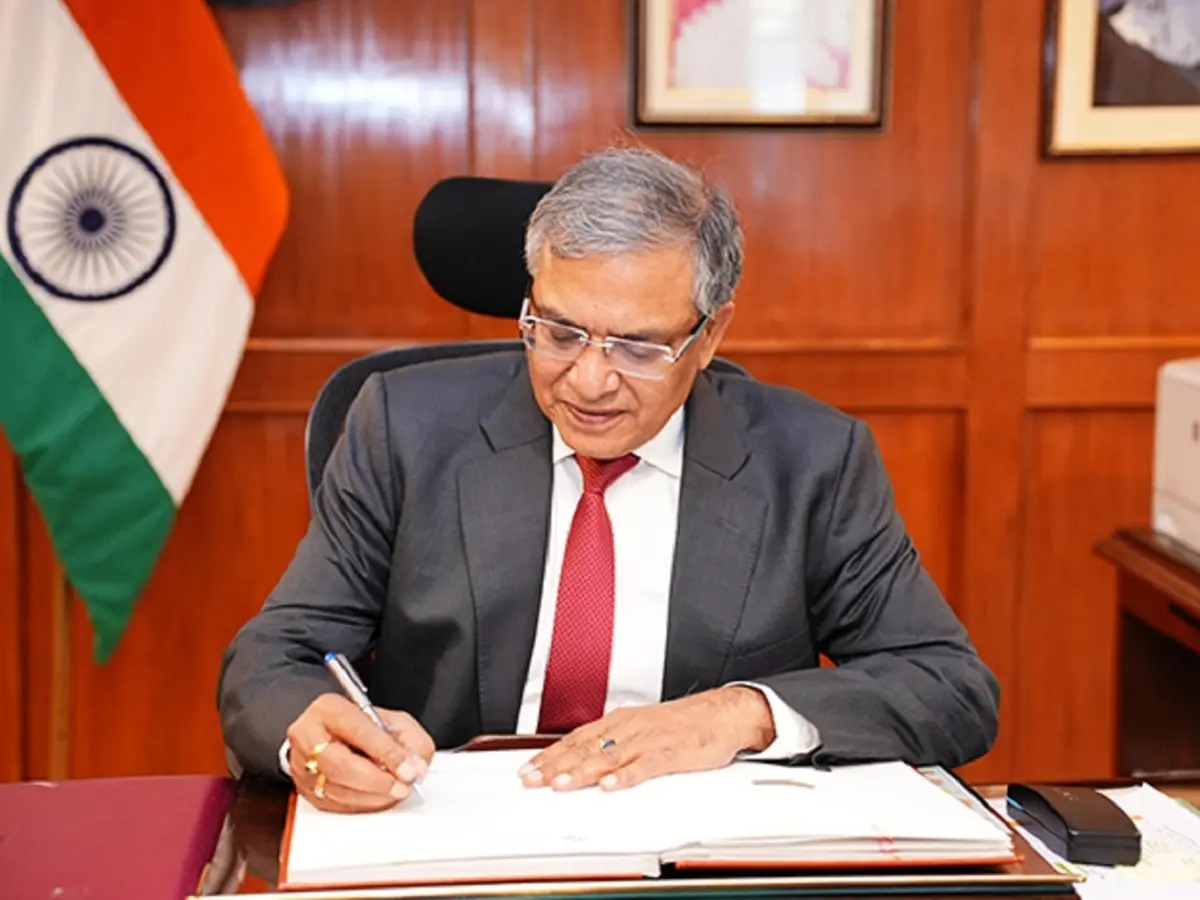
The relationship between India’s electoral watchdog and the Opposition has reached a point of no return. On Friday, March 13, 2026, the INDIA bloc (including the AAP) crossed a historic threshold by gathering enough signatures to move an impeachment motion against CEC Gyanesh Kumar.
The move is not just a protest; it is a full-scale constitutional challenge. Alleging that the Special Intensive Revision (SIR) of electoral rolls is being “weaponized” to help the ruling BJP, the Opposition has turned to the only mechanism left to them—the same rigorous process used to remove a Supreme Court judge.
Also Read | Imran Khan and Bushra Bibi Sentenced to 17 Years in Jail
The Numbers: Surpassing the Legal Threshold
Under parliamentary rules, a motion for removal requires a minimum level of support to be admitted.
Lok Sabha: Requisite is 100 MPs; the Opposition has 130.
Rajya Sabha: Requisite is 50 MPs; the Opposition has 63.
Total: 193 lawmakers have put their names to the document, signaling total unity across the INDIA bloc parties.
The Seven Charges: From Fraud to Bias
The notice, likely to be submitted in at least one House today, outlines a pattern of behavior that the Opposition labels as “incapacity and proven misbehaviour.”
Partisan Conduct: Accusations of favoring the ruling party in scheduling and enforcement.
Disenfranchisement: Specifically targeting the SIR exercise in West Bengal, where thousands of “genuine” voters are allegedly being purged.
Obstruction: Allegations that the CEC blocked investigations into reported electoral fraud.
Constitutional Mechanism: How Removal Works
Removing a CEC is intentionally difficult to protect the office’s independence.
Special Majority: The motion must be passed by two-thirds of members present and voting, as well as a majority of the total membership of each House.
Judicial Scrutiny: Once admitted by the Speaker/Chairman, a three-member committee must be formed to investigate the charges.
Also Read | Imran Khan and Bushra Bibi Sentenced to 17 Years in Jail
The Inquiry Committee: CJI and Jurists
If the motion proceeds, it moves into a quasi-judicial phase under the Judges (Inquiry) Act, 1968.
The Panel: Includes the Chief Justice of India (CJI) or a Supreme Court judge, a Chief Justice of a High Court, and a “distinguished jurist.”
The Defense: CEC Gyanesh Kumar will have the right to cross-examine witnesses and defend himself, potentially standing at the entrance of the House chamber during the final discussion.
Reality Check
This is a high-stakes “nuclear option.” Still, given the government’s majority in the Lok Sabha, the motion is unlikely to pass the final vote even if it is admitted. Therefore, while the Opposition has the numbers to start the process, they do not have the two-thirds majority to complete it. In fact, the primary goal of this move is likely to discredit the upcoming state elections and place the Election Commission’s conduct under a national spotlight before a single vote is cast.
The Loopholes
The Opposition says this is about “saving democracy.” In fact, this is a “Procedural Delay Loophole”—by initiating the inquiry, they can cast doubt on every decision the CEC makes during the Bengal and Assam elections. Therefore, even if he isn’t removed, his authority is effectively “lame-ducked.” Still, the “Admissibility Loophole” remains; the Speaker of the Lok Sabha has the discretion to reject the notice if they find the “grounds” are not sufficiently proven, which could kill the motion before it even reaches a committee.
Also Read | Imran Khan and Bushra Bibi Sentenced to 17 Years in Jail
What This Means for You
If you are a voter, do not let this political battle discourage you from participating. First, realize that the “Voter List Revision” is a routine process; you should check your name on the NVSP portal immediately to ensure you haven’t been affected by any errors. Then, if you are a follower of Indian law, understand that this case will set a new precedent for how “Election Commissioners” are held accountable for their administrative decisions.
Finally, understand that the election schedule is still valid. You should expect polling to proceed as planned in April/May unless a court specifically stays the process. Before you form an opinion on the CEC, remember that the burden of proof for “misbehaviour” lies with the 193 MPs; they must provide hard evidence of fraud to the CJI-led committee.
What’s Next
The notice is expected to be submitted to the Speaker or Chairman by the end of today’s session. Then, look for the Speaker’s decision on admissibility by Monday or Tuesday. Finally, expect CEC Gyanesh Kumar to issue a formal statement (or a legal challenge) to the allegations within the next 48 hours.
Also Read | Imran Khan and Bushra Bibi Sentenced to 17 Years in Jail
End….