Geopolitical Pivot: India Fast-Tracks Chinese Business Visas Amid Punishing US Tariffs
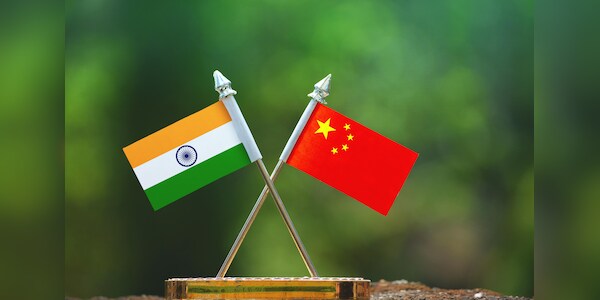
India has quietly executed a significant policy shift, dramatically reducing the time it takes to issue business visas to Chinese professionals. This move, reported by Reuters, cuts approval times from months to under four weeks by eliminating a layer of administrative vetting put in place after the 2020 border clashes.
Also Read | Luthra Brothers Deportation Delayed By Passport Snag; Needs ‘Outpass’
The Dual Pressure Driving the Change
This policy change is not a sign of fully normalized ties, but a pragmatic move by New Delhi to safeguard its economic interests under pressure from two sides:
-
US Tariff Shock (The External Pressure): Under President Trump’s second term, US tariffs on Indian imports reached a punishing record high of 50% by August.
-
Split Cause-Effect: The tariffs severely hurt Indian sectors like textiles, gems, and auto components. And then, New Delhi was compelled to pivot and strengthen trade ties with its other major partner, China.
-
-
Manufacturing Bottlenecks (The Internal Pressure): For years, the restrictive visa regime had hobbled India’s manufacturing ambitions. Industries like electronics, solar, and machinery rely heavily on Chinese technicians for installation and maintenance.
-
Lost Output: Industry executives estimate that these visa delays have cost Indian electronics manufacturers alone approximately $15 billion in lost production over four years. By fast-tracking visas, India unblocks critical supply chains needed for the Make in India push.
-
The Uneasy Thaw with Beijing
The move comes after years of persistent diplomatic and military dialogues along the Line of Actual Control (LAC), culminating in full disengagement from the final standoff sites at Depsang and Demchok by December 2024.
China has immediately recognized the shift. Foreign Ministry Spokesperson Guo Jiakun called it a “positive action” that promotes people-to-people and business exchanges.
The thing is, while the border is relatively quiet and visa friction is easing, the commercial relationship remains heavily imbalanced:
-
Bilateral Trade: Reached $127.7 billion in FY25, making China India’s second-largest trading partner.
-
The Imbalance: Indian exports are rising (up 19.97% in early FY26), but the trade deficit remains massive, as India relies heavily on China for critical machinery and electronic components.
India is practicing strategic hedging—using the thaw with China to mitigate the impact of the trade war with the US, all while continuing to push for diversification to eventually reduce its dependence on Beijing.
Also Read | Luthra Brothers Deportation Delayed By Passport Snag; Needs ‘Outpass’
Disclaimer: This information is based on reports from news agencies and government sources regarding the change in visa policy and the geopolitical context of India-US-China relations. The long-term implications are still unfolding.