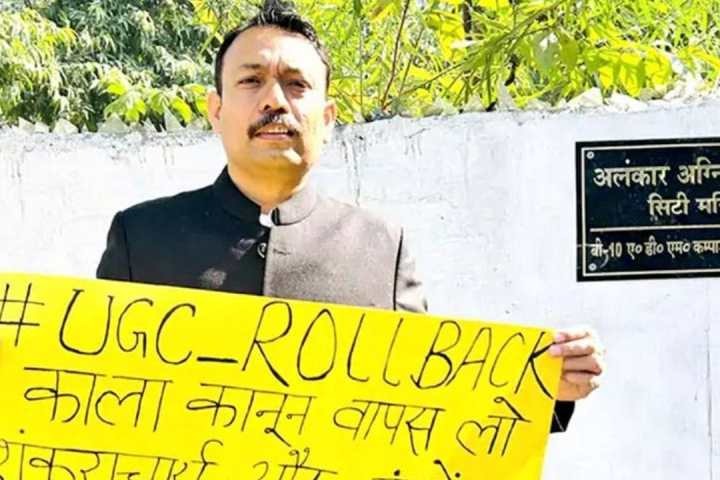
It’s Tuesday, January 27, 2026, and if you’ve been scrolling through social media, you’ve probably seen #UGCRollback trending. The University Grants Commission (UGC) just dropped its most aggressive anti-discrimination rules yet, and the “Equity 2026” framework is currently turning Indian campuses into a massive ideological battleground.
The thing is, what looks like a simple policy update is actually a total legal overhaul of how “fairness” works in universities. Or nothing.
Also Read | Imran Khan and Bushra Bibi Sentenced to 17 Years in Jail
The UGC Equity 2026 Shift: Field Notes
It’s an ongoing situation where the UGC has moved from giving “advice” to swinging a very big stick. Here’s the ground reality:
-
The OBC Factor: For the first time, Other Backward Classes (OBCs) are explicitly included in the anti-discrimination framework alongside SC and ST groups. The thing is, this move corrected a major “omission” from earlier drafts, but it has sparked huge backlash from general category student groups. Those too.
-
The “No False Complaint” Clause: Here’s the kicker—the final version of the rules removed a draft proposal that would have penalized anyone filing a false complaint. Critics are calling it a “black law,” arguing it will be used to target students and professors without any safeguards.
-
The Resignation Ripple: It’s getting political. Just yesterday, a City Magistrate in Bareilly and several BJP office-bearers in Lucknow resigned in protest. The claim? That the rules are “unconstitutional” and paint general category students as “potential perpetrators” by default. Or nothing.
-
Legally Binding Teeth: This isn’t just a suggestion anymore. If a university doesn’t set up an “Equal Opportunity Centre” (EOC) or follow the 24-hour grievance timeline, the UGC can literally strip their recognition or cut off all funding. Let’s be real—the pressure on Vice-Chancellors is through the roof.
Also Read | Imran Khan and Bushra Bibi Sentenced to 17 Years in Jail
UGC 2026: The Compliance Breakdown
| Feature | The New 2026 Rule | Why it’s a Flashpoint |
| Protected Groups | SC, ST, and now OBC. | Critics say it blurs the lines of “affirmative action.” |
| Equity Committees | Mandatory representation from SC/ST/OBC/Women. | General category members are excluded from these panels. |
| Grievance Relief | 24-hour initial response time for complaints. | Academics say the timeline is “administratively impossible.” |
| Punishment | Withdrawal of degree-granting status. | High stakes could lead to “defensive” expulsions. |
| Equity Squads | Mobile squads to check “vulnerable spots” on campus. | Described by former VCs as “campus policing zones.” |
And Here’s the Kicker…
The data behind this move is heavy. The UGC reports that caste-based discrimination complaints jumped 118.4% in the last five years. The thing is, this whole regulation is a direct response to Supreme Court orders following the tragic deaths of students like Rohith Vemula. Those too.
One side comment—while the government says this is about “safety,” the opposition says it’s creating a “culture of fear.” It’s an ongoing situation where universities are trying to figure out if they’re supposed to be centers of learning or centers of social litigation. Or nothing.
Also Read | Imran Khan and Bushra Bibi Sentenced to 17 Years in Jail
End…