

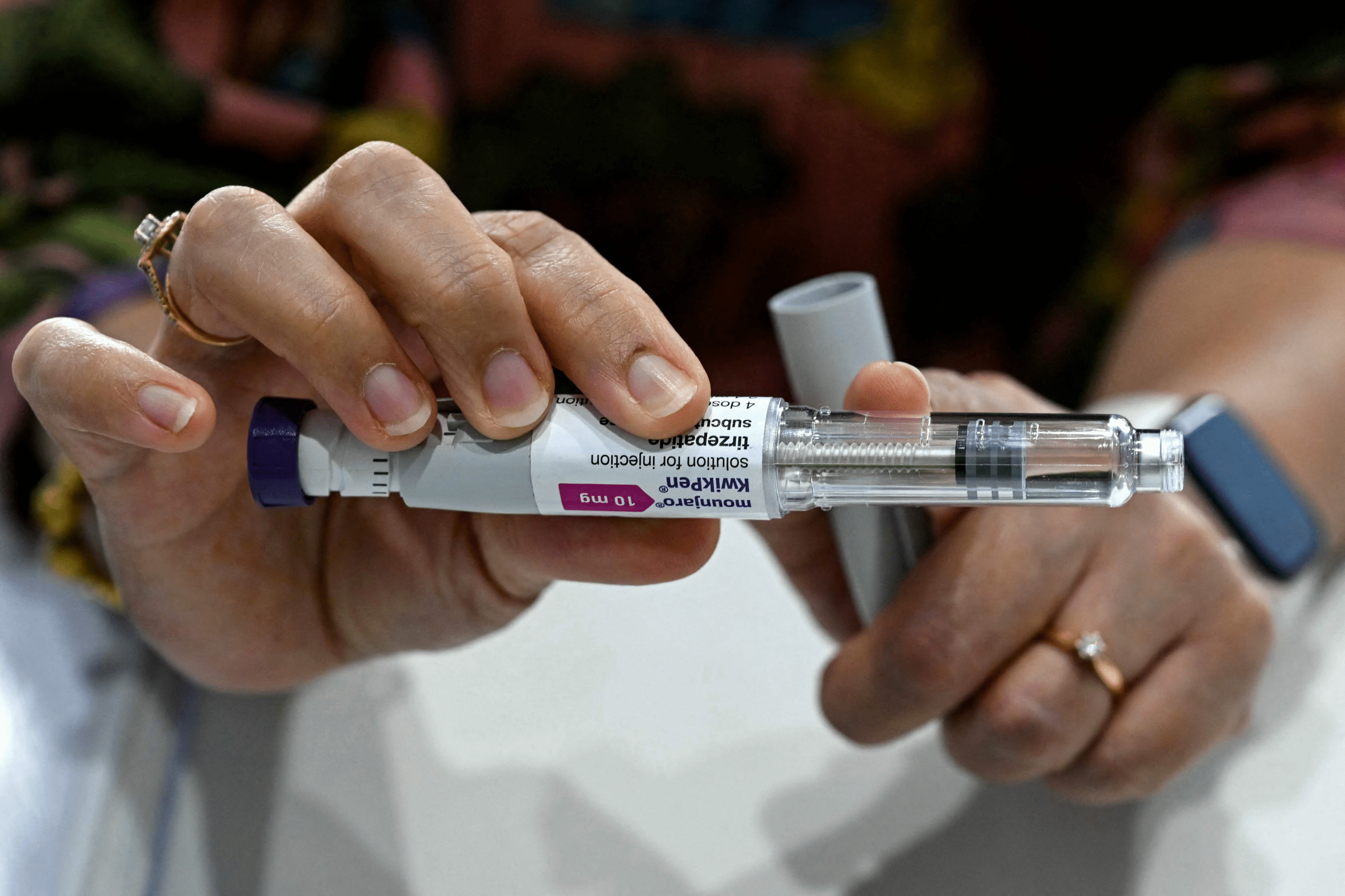
Now India is facing a complex public health paradox that demands immediate national attention. On Thursday, March 26, 2026, the Central Drugs Standard Control Organisation (CDSCO) intensified its crackdown on the unauthorized sale and misuse of anti-obesity medications. Therefore, as over 100 million Indians grapple with obesity, the market has been flooded with “quick-fix” drugs that often bypass essential medical safeguards. Currently, projections suggest that one in three Indians will be overweight by 2050. Thus, the government is not only battling a bulging waistline but also a rampant violation of ethical pharmaceutical practices.
Also Read | Imran Khan and Bushra Bibi Sentenced to 17 Years in Jail
At a Glance:
-
The Crisis: Over 100 million Indians are currently affected by obesity.
-
Regulatory Action: CDSCO issued notices to 49 entities, including online pharmacies and slimming clinics.
-
The Violation: Unauthorized sales, unsupervised usage, and lack of patient follow-up protocols.
-
Future Outlook: Projections indicate 33% of the population could be overweight by 2050.
-
The Solution: A dual approach of strict regulatory oversight and a return to active lifestyles.
In This Article:
-
The CDSCO Intervention: Auditing the Weight-Loss Market
-
Ethics vs. Production: The Rise of Generic Anti-Obesity Meds
-
Beyond the Pill: The Role of Sedentary Lifestyles
-
Education as a Remedy: Role of Schools and Families
-
Frequently Asked Questions (FAQs)
The CDSCO Intervention: Auditing the Weight-Loss Market
Now the apex drug regulatory authority has moved from observation to enforcement. Because the demand for weight-loss medication has surged, the risk of malpractice has grown proportionally among wholesalers and retailers.
First, the CDSCO conducted comprehensive audits of 49 entities across India. Next, notices were sent to defaulting online pharmacy warehouses and slimming clinics for transgressions in marketing and distribution. Thus, the intervention aims to curb the “unauthorized sale” of potent drugs that require strict medical supervision. Currently, while the specific names of defaulters remain confidential, the message is clear: the era of unregulated “slimming solutions” is ending.
Also Read | Imran Khan and Bushra Bibi Sentenced to 17 Years in Jail
Ethics vs. Production: The Rise of Generic Anti-Obesity Meds
Now India’s massive pharmaceutical capacity is proving to be a double-edged sword. Because the country is a leader in generic drug manufacturing, access to anti-obesity medication has expanded rapidly.
First, the expansion in production has not been matched by a complementary ethical framework. Next, doctors report a dangerous trend of patients indulging in unsupervised use of these drugs without professional consultation. Thus, wider public access has led to a rampant violation of essential health safeguards. So, the lack of adherence to follow-up protocols has turned a medical tool into a potentially hazardous self-medication trend.
Beyond the Pill: The Role of Sedentary Lifestyles
Now the medical community warns that drugs alone cannot “cure” a nation’s obesity. Because modern life is increasingly sedentary, the physical inactivity of millions compounds the biological challenge of weight management.
First, the “bane of modernity”—long hours behind screens and low physical exertion—is the primary driver of the crisis. Next, relying solely on pharmaceutical interventions ignores the root cause of the metabolic decline. Thus, Indians are being encouraged to rediscover an active life rather than searching for chemical shortcuts. Currently, health experts emphasize that weight-loss drugs should only be a secondary support to fundamental lifestyle shifts.
Also Read | Imran Khan and Bushra Bibi Sentenced to 17 Years in Jail
Education as a Remedy: Role of Schools and Families
Now the long-term solution to the obesity epidemic lies in formative education rather than adult intervention. Because habits are formed early, schools and families must become the primary sites of health literacy.
First, public awareness regarding the risks of anti-obesity drugs must improve through community outreach. Next, physical education in schools must be prioritized to combat the 2050 “overweight” projection. Thus, by educating the next generation on the dangers of “quick-fix” health, India can foster a more resilient and active population. Currently, the goal is to shift the national mindset from “treating” obesity to “preventing” it through holistic awareness.
Frequently Asked Questions (FAQs)
What triggered the CDSCO crackdown on weight-loss drugs? The crackdown was triggered by reports of unauthorized sales, misuse, and a lack of medical supervision in the distribution of anti-obesity medications across clinics and online pharmacies.
How many people in India are currently obese? According to recent data, over 100 million Indians are affected by obesity, with figures expected to rise significantly by 2050.
What are the risks of unsupervised weight-loss medication? Unsupervised use can lead to severe metabolic imbalances, heart complications, and a lack of proper follow-up, which is essential for managing the side effects of these potent drugs.
Is generic weight-loss medication safe? Generic medications are chemically equivalent to branded ones, but they are only safe when prescribed by a doctor and obtained through authorized, regulated channels.
Can drugs alone solve India’s obesity crisis? No. Health experts and editorials emphasize that drugs are “quick-fixes” and must be accompanied by an active lifestyle and a move away from sedentary habits.
Also Read | Imran Khan and Bushra Bibi Sentenced to 17 Years in Jail
End….

