

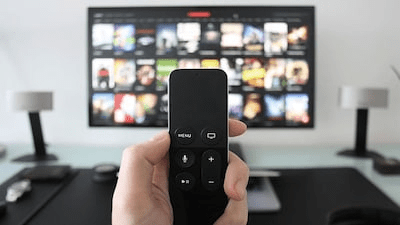
The Union Government has officially notified the TV Ratings Policy 2026, a landmark framework that replaces the outdated 2014 rules. This shift marks the first time digital viewing habits—including OTT platforms and Connected TVs (CTV)—will be formally integrated into the national audience measurement system.
The move aims to break the monopoly of traditional ratings and provide a more accurate reflection of how modern India consumes content.
Also Read | Imran Khan and Bushra Bibi Sentenced to 17 Years in Jail
Key Shifts: 2014 vs. 2026 Framework
The new policy introduces several structural changes to ensure transparency and wider representation:
| Feature | 2014 Policy | 2026 Policy |
| Scope | Linear TV only | TV, OTT, Connected TV, & Mobile |
| Sample Size | 20,000 – 50,000 homes | 80,000 – 120,000 homes |
| Entry Barrier | ₹20 Crore Net Worth | ₹5 Crore Net Worth |
| Board Structure | Not specified | 50% Independent Directors |
| Data Privacy | Basic guidelines | DPDP Act 2023 Compliance |
Eradicating “Landing Page” Manipulation
In a major win for fair competition, the policy explicitly bans counting views generated from landing pages. Previously, broadcasters could inflate numbers by paying distributors to place their channel as the “autoplay” screen when a TV was switched on. Under the 2026 rules, these “forced views” will no longer contribute to a channel’s ratings.
Also Read | Imran Khan and Bushra Bibi Sentenced to 17 Years in Jail
Governance and Oversight
To prevent conflicts of interest and ensure data integrity, the government has introduced a multi-layered oversight mechanism:
-
Audit & Oversight Team: A dedicated Ministry-level team will conduct regular and “risk-based” surprise audits of rating agencies.
-
Consultancy Ban: Rating agencies are now strictly prohibited from offering consultancy services to broadcasters or advertisers.
-
Graded Penalties: Unlike the old system which jumped straight to cancellations, the new framework uses a graded approach, starting with the suspension of ratings for specific violations before moving to heavy financial hits.
Privacy and Data Protection
With the inclusion of digital devices, data security is paramount. The 2026 policy is tethered to the Digital Personal Data Protection (DPDP) Act, 2023. Rating agencies must now ensure the total anonymity of metered households, and any breach of privacy will lead to immediate federal action.
Investigative Insight: Breaking the BARC Monopoly?
While the draft policy from July 2025 suggested removing cross-holding restrictions (which would have allowed broadcasters to own rating agencies), the final policy retained these restrictions. This suggests the government is cautious about “self-grading.” However, by lowering the net worth requirement to ₹5 crore, the Centre is clearly inviting new tech-first startups to compete with BARC, potentially leading to a more diverse and tech-driven rating ecosystem in India.
Also Read | Imran Khan and Bushra Bibi Sentenced to 17 Years in Jail
End…..

