

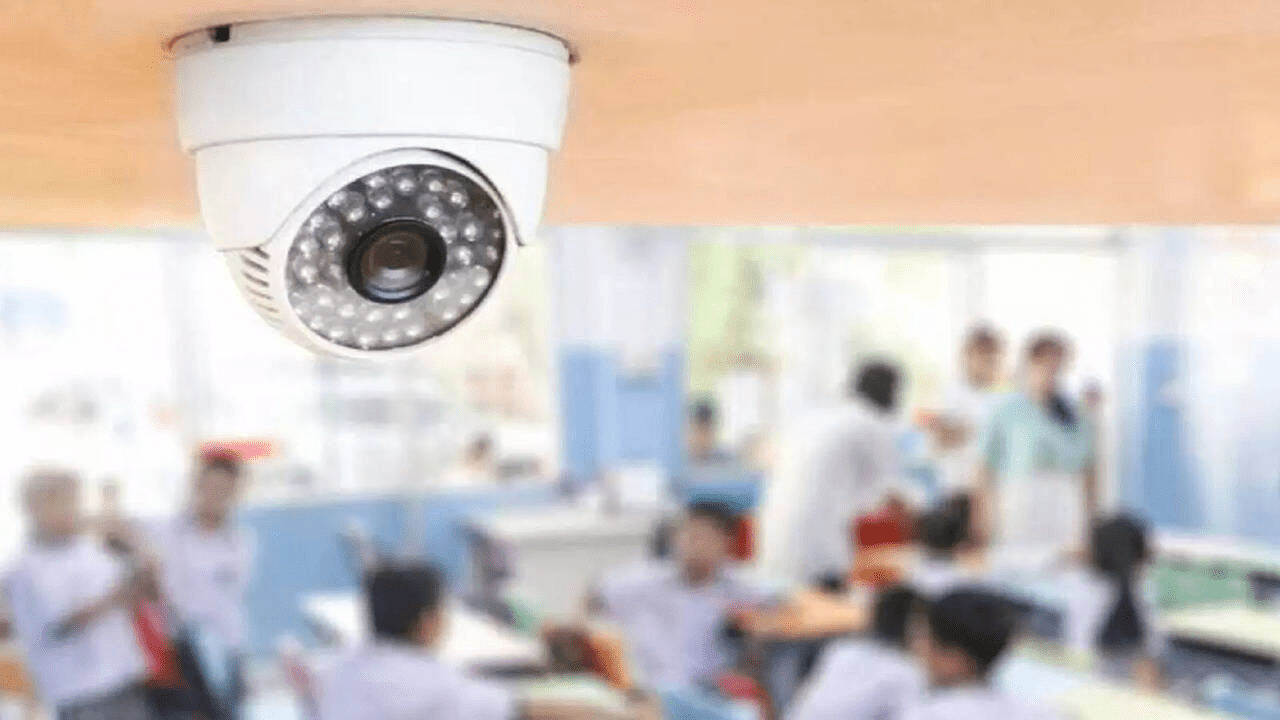
In a major move to bolster national cybersecurity, the Indian government is set to effectively bar Chinese CCTV giants—including Hikvision, Dahua, and TP-Link—from selling internet-connected surveillance hardware starting April 1, 2026.
The restriction stems from the mandatory Standardisation Testing and Quality Certification (STQC) rules. Reports indicate that authorities are refusing to grant these certifications to firms using Chinese-origin chipsets or firmware, citing concerns over unauthorized remote access and data sovereignty.
Also Read | Imran Khan and Bushra Bibi Sentenced to 17 Years in Jail
The New STQC Framework: What Changed?
The Ministry of Electronics and Information Technology (MeitY) introduced “Essential Requirements” (ER) in 2024, providing a two-year window for compliance that expires this week.
-
Mandatory Disclosure: Manufacturers must now disclose the country of origin for the System-on-Chip (SoC) and all critical sub-components.
-
Vulnerability Testing: Devices must pass rigorous testing to ensure they do not contain “backdoors” that could allow foreign entities to hijack camera feeds.
-
Chipset Restrictions: Products using Chinese-made silicon are reportedly being denied clearance, forcing a shift toward Taiwanese (MediaTek/Novatek) or American (Ambarella) chipsets.
Market Shift: The Rise of “Made in India”
The vacuum left by Chinese brands, which once held a 33% market share, has been rapidly filled by domestic players who have localized their supply chains.
Also Read | Imran Khan and Bushra Bibi Sentenced to 17 Years in Jail
| Category | Previously Dominant Brands | Current Indian Leaders (80% Market) |
| Budget/Mass | Hikvision, Dahua, TP-Link | CP Plus, Qubo, Prama |
| Enterprise | Huawei, ZTE | Matrix, Sparsh |
| Premium | — | Bosch, Honeywell (Multinationals) |
Impact on Consumers and Businesses
If you are planning to install or upgrade a security system, here is what you need to know:
-
Sales Freeze: Retailers will be prohibited from selling non-certified stock starting April 1.
-
Service Continuity: Existing installed cameras will likely continue to function, but firmware updates from Chinese servers may face future blocks via national firewalls.
-
Price Adjustments: While Indian brands have scaled up, the shift away from subsidized Chinese components may lead to a 5-10% increase in hardware costs in the short term.
Investigative Insight: The “Firmware” Frontline
The ban isn’t just about the physical camera; it is a war over firmware. Security agencies have flagged that many Chinese CCTVs “phone home” to servers in Hangzhou or Shenzhen to register cloud accounts. Indian brands like Sparsh and Matrix have gained an edge by developing indigenous firmware and hosting cloud storage on local Indian servers (AWS/Azure India regions). This ensures that even if a chipset is foreign, the “brain” of the camera remains under Indian jurisdiction, satisfying the new STQC “Safe to Connect” protocols.
Also Read | Imran Khan and Bushra Bibi Sentenced to 17 Years in Jail
End….

