

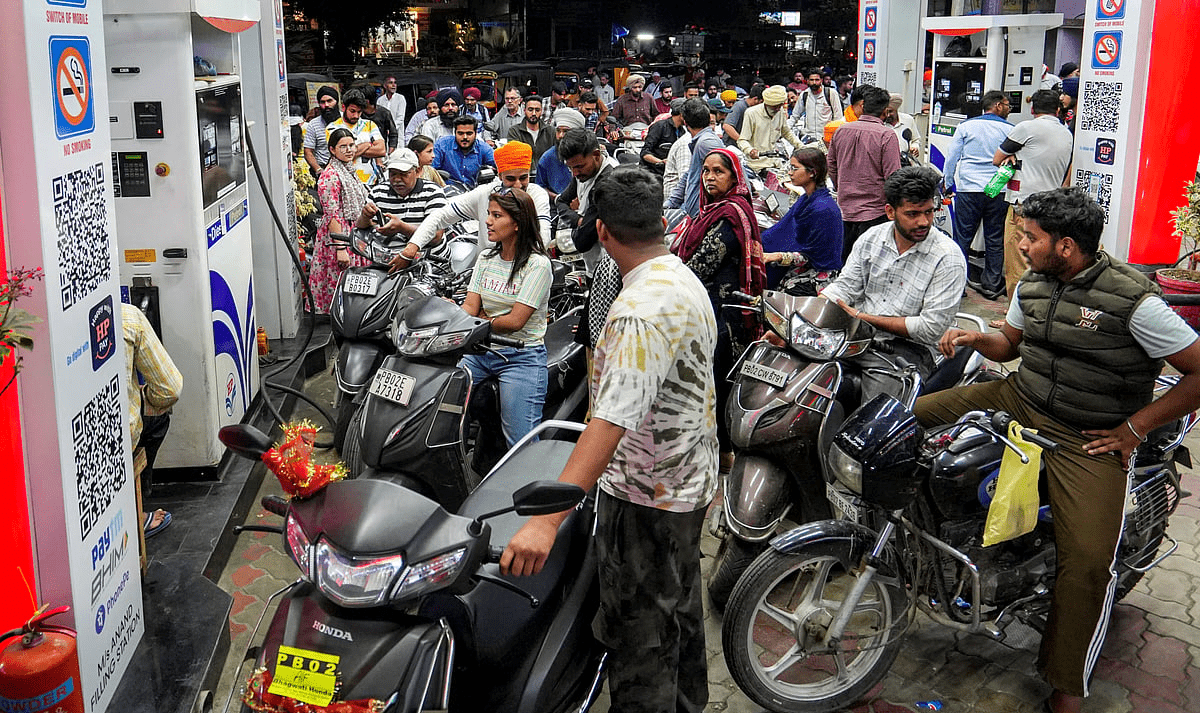
In a day of extreme volatility for India’s energy sector, Indian Oil Corporation (IOCL) significantly hiked the prices of high-performance fuels on Wednesday, April 1, 2026. While the government’s March 27 excise duty cut has kept “regular” petrol and diesel steady, the premium segments are now bearing the full brunt of the West Asia crisis.
The most dramatic movement occurred in Aviation Turbine Fuel (ATF), which saw a historic price spike followed by an emergency midday revision to prevent a total collapse of the domestic airline industry.
Also Read | Imran Khan and Bushra Bibi Sentenced to 17 Years in Jail
The Premium “Super-Fuel” Spike
Owners of high-end vehicles and superbikes in Delhi face a sharp increase in operational costs as 100-octane fuel breaches a new psychological barrier.
| Fuel Type | New Price (Delhi) | Old Price | Increase |
| XP100 (100-Octane Petrol) | ₹160.00 / L | ₹149.00 | +₹11.00 |
| Xtra Green (Premium Diesel) | ₹92.99 / L | ₹91.49 | +₹1.50 |
The ATF “Yo-Yo”: A 2-Hour Crisis
The Oil Ministry and OMCs executed a rare “emergency rollback” after initial morning rates threatened to ground thousands of flights.
-
The Morning Spike: ATF prices were initially hiked to ₹2,07,341 per kl (from ₹96,638), a staggering 114% jump triggered by the Strait of Hormuz blockade.
-
The Domestic Relief: Within hours, after urgent consultations, the rate for domestic airlines was revised down to ₹1,04,927 per kl.
-
The Staggered Strategy: The Ministry confirmed that while global factors justify a 100%+ increase, they will pass on the cost in a “staggered” manner to avoid an immediate industry shock. Despite the rollback, prices remain near the all-time highs of 2022.
Also Read | Imran Khan and Bushra Bibi Sentenced to 17 Years in Jail
Commercial LPG: The 5th Hike of 2026
Businesses, particularly the hospitality sector, are reeling from a relentless upward trend in 19-kg cylinder costs.
-
Current Price (Delhi): ₹2,078.50
-
Price on March 1: ₹1,768.50
-
Total 30-Day Increase: ₹310.00
-
Context: This is the fifth upward revision since January 1, 2026, reflecting the massive premium India is paying for non-Middle Eastern gas imports.
Investigative Insight: The “Excise Shield” vs. The Premium “Cash Cow”
The government’s decision to cut excise duty on regular fuel by ₹10 on March 27 was a masterstroke of political optics, but it has created a two-tier energy economy. By shielding the masses at the regular pump, the government is essentially using Premium XP100 and Commercial LPG users to subsidize the fiscal deficit.
The “ATF Rollback” is equally telling. The government realized that at ₹2.07 lakh per kl, every domestic flight in India would operate at a massive loss, leading to immediate bankruptcies. By fixing the domestic rate at ₹1.04 lakh, the government is forcing OMCs (like IOCL) to take an “under-recovery” hit on their balance sheets. This is a temporary dam against inflation; if the Hormuz blockade isn’t cleared by the next revision cycle on May 1, the “staggered” increases will eventually have to catch up to the ₹2-lakh reality, potentially ending the era of affordable air travel in India.
Also Read | Imran Khan and Bushra Bibi Sentenced to 17 Years in Jail
End…..

