

In a rare diplomatic gesture amidst the ongoing West Asia war, the Iranian Consulate in Mumbai issued a “special message” to India on Friday, April 3, 2026. Invoking 4,000 years of shared history—specifically referencing the ancient maritime links between Lothal in Gujarat and the Persian coast—Tehran reaffirmed its commitment to securing India’s energy corridor.
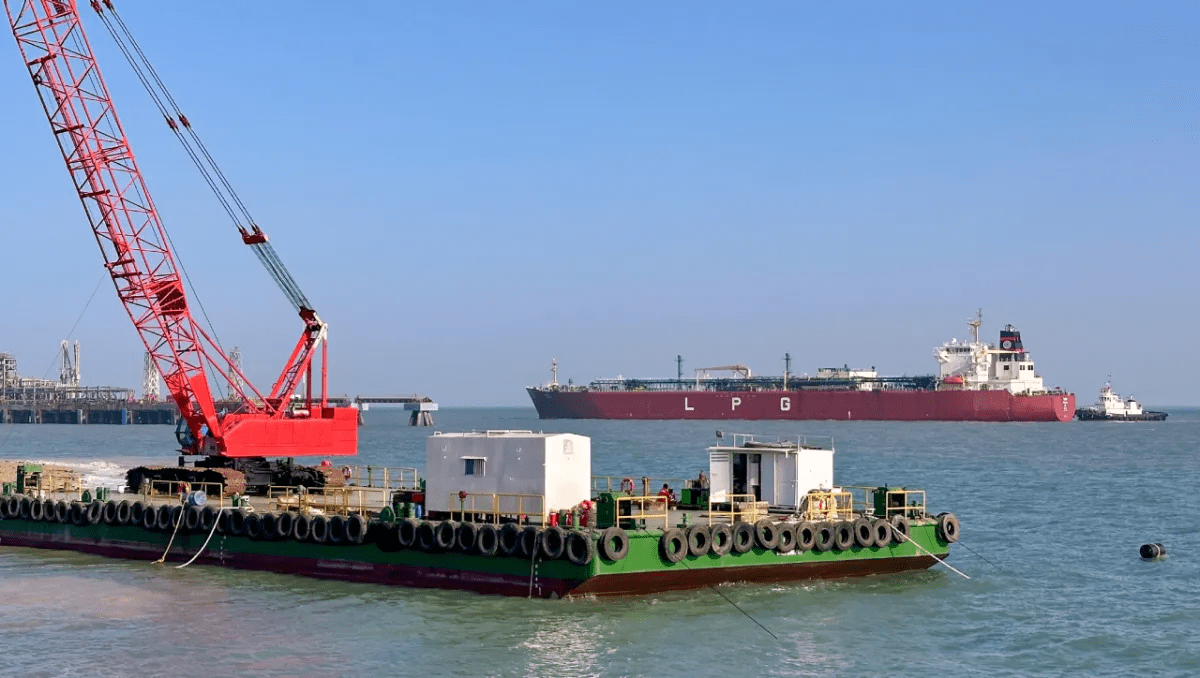
The message followed the successful transit of the Green Sanvi, the seventh India-flagged vessel to cross the Strait of Hormuz since the conflict began on February 28. Carrying 46,650 metric tonnes of LPG, the tanker’s passage was hailed by Gujarat Deputy CM Harsh Sanghavi as a “victory for Indian diplomacy.”
Also Read | Imran Khan and Bushra Bibi Sentenced to 17 Years in Jail
The “Friendly Five” Corridor
While the Strait remains effectively closed to “enemy vessels” and global shipping, Iran has officially designated a “safe passage” for five strategic partners.
-
The Elite List: India, Russia, China, Iraq, and Pakistan are currently the only nations permitted to transit the chokepoint without military escort.
-
The Toll Regime: Despite the friendly status, Iran has approved a plan to impose a transit toll on all vessels, a move aimed at funding its war economy as US-Israeli strikes target its internal infrastructure.
-
Stranded Assets: Approximately 17 Indian ships remain west of the Strait, awaiting clearance and documentation to join the home-bound convoy.
Centre Confirms Iranian Oil Imports: “No Payment Hurdles”
On Saturday, April 4, 2026, the Ministry of Petroleum and Natural Gas issued its first official confirmation that India is actively importing Iranian crude. This follows the US sanctions waiver granted by President Trump to stabilize global oil prices.
| Government Clarification | Details |
| On Rerouting Claims | The Ministry rejected reports that tankers (like the Ping Shun) were diverted to China due to “payment issues.” |
| On Supply Security | Indian refiners have “secured their requirements” from Iran for the upcoming quarter. |
| On Payments | There is “no payment hurdle,” likely hinting at a functional Rupee-Rial or Vostro account mechanism. |
Breaking Headlines: April 4, 2026
The diplomatic victory at sea is contrasted by high-intensity developments on the ground:
Also Read | Imran Khan and Bushra Bibi Sentenced to 17 Years in Jail
-
The Missing Pilot: The hunt for the US F-15E pilot in southwestern Iran has entered its second day. IRGC forces and local tribesmen are reportedly scouring the mountains near Yasuj, while US Black Hawks remain on standby across the border.
-
Raghav Chadha Rebuttal: In Delhi, the ousted AAP leader released a video titled “Ghayal hoon isliye ghatak hoon,” claiming his removal was part of a “coordinated campaign” to silence his impact in Parliament.
-
LPG Reality Check: Despite the Green Sanvi’s arrival, a 12-state “reality check” shows domestic consumers are still facing 10-day delivery waits and black market prices of up to ₹6,000 per cylinder.
-
Artemis II Progress: The NASA crew has successfully completed their translunar injection, though the “Outlook in space” glitch continues to fuel memes about Boeing and Microsoft reliability.
Investigative Insight: The “Lothal” Leverage
By referencing the Indus Valley-Persian link, Iran is utilizing “Civilizational Diplomacy” to drive a wedge between India and its Western allies. While the US views the Strait of Hormuz as a military theater, Iran is reminding New Delhi that their bond predates modern alliances by millennia. This “special status” allows India to bypass the ₹160 petrol spike that is currently crippling other developing economies.
However, the Petroleum Ministry’s sudden transparency regarding Iranian oil is a calculated risk. By confirming the imports, India is admitting that it is the primary beneficiary of the Trump Waiver. This creates a paradox: India is using Russian S-400s to guard its borders while using Iranian oil to fuel its recovery, all while maintaining a “Major Defense Partner” status with the US. For the Indian middle class, the arrival of the Green Sanvi is a sign that the ₹2 lakh crore war-shield might actually hold, provided the “civilizational bond” with Tehran doesn’t fray under the pressure of the next 21 days of “Stone Age” strikes.
End….

