

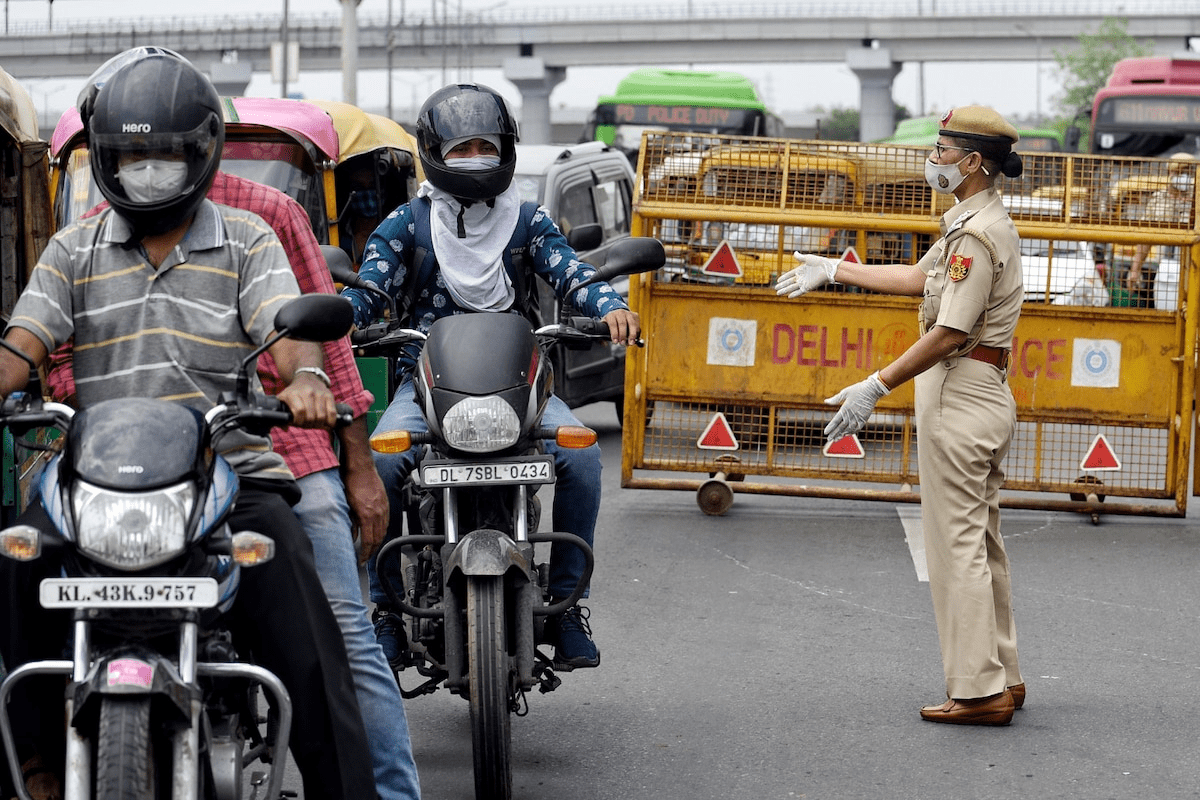
Now the national capital is preparing for its most aggressive push toward a zero-emission future. The Delhi government has released the highly anticipated Delhi EV Policy 2026-2030 draft, setting a strict countdown for internal combustion engines. First, the policy proposes that no new petrol-powered two-wheelers will be registered in the city starting April 1, 2028. Therefore, the next two years represent the final window for traditional bike sales in the capital. Meanwhile, the transport department has opened a 30-day window for public feedback to refine this massive shift in urban mobility.
Also Read | Imran Khan and Bushra Bibi Sentenced to 17 Years in Jail
The Phase-Out Timeline: 2027 to 2028 Deadlines
Now we must analyze the “time-bound restrictions” that form the core of this policy. First, the draft proposes that from January 1, 2027, only electric three-wheelers will be permitted for new registration. Therefore, the ubiquitous petrol and CNG autos will soon become a relic of the past.
Next, the most sweeping change arrives in 2028. Thus, all new two-wheeler registrations must be electric from April 1 of that year.
Meanwhile, officials emphasize that this is a “phased transition” rather than an abrupt shock. Therefore, the Delhi EV Policy 2026-2030 draft provides a clear multi-year warning to manufacturers and consumers alike. So the goal is to ensure the market is ready before the final switch is flipped.
Commercial Fleets: The 2026 Aggregator Mandate
So which sector will feel the impact first? The answer is commercial aggregators and delivery fleets. First, the draft states that no new internal combustion engine (ICE) vehicles will be allowed in aggregator operations from January 1, 2026. Therefore, companies like Zomato, Swiggy, and Uber must pivot their hiring strategies immediately.
Next, even existing BS-VI two-wheelers in these fleets face a deadline. Thus, they will only be permitted to operate until December 31, 2026.
Meanwhile, light goods vehicles up to 3.5 tonnes are also included in this mandate. Therefore, the “last-mile delivery” sector will become the first 100% electric vertical in the city. So the Delhi EV Policy 2026-2030 draft is targeting high-mileage commercial vehicles to maximize emission reductions.
Government and Institutional Shift: Leading by Example
Now the government is also putting its own fleet under the microscope. First, all hired and leased government vehicles must transition to 100% electric mobility from the date of the policy notification. Therefore, the official transport of the bureaucracy is going green.
Next, school buses are set for a gradual electrification process. Thus, the target is 10% adoption by Year 2, reaching 30% by 2030.
Meanwhile, all new intra-state buses will shift to electric power. Therefore, the Delhi EV Policy 2026-2030 draft even leaves room for advanced technologies like hydrogen fuel cells. So the institutional framework is designed to move in lockstep with the private sector.
Also Read | Imran Khan and Bushra Bibi Sentenced to 17 Years in Jail
Incentive Structure: Tapering Benefits and Scrappage Perks
So how will the government help citizens afford the switch? First, a time-bound incentive structure has been proposed. Therefore, support will be highest in the first year and gradually reduce over the subsequent three years.
Next, electric cars will be eligible for incentives of up to ₹1 lakh under specific conditions. Thus, the government is focusing on making premium EVs more competitive.
Key Scrappage Incentives:
-
Replace old BS-IV and below vehicles: ₹10,000 to ₹1 Lakh.
-
Exemption: 100% road tax and registration fee waiver for eligible EVs.
Meanwhile, strong hybrids will receive partial exemptions. Therefore, the Delhi EV Policy 2026-2030 draft rewards early adopters while encouraging the removal of older, more polluting vehicles from the road.
The Charging Grid: DTL’s Nodal Agency Role
Now a policy is only as good as the infrastructure supporting it. First, Delhi Transco Limited (DTL) has been designated as the nodal agency for the charging network. Therefore, they are responsible for grid integration and battery-swapping implementations.
Next, a “single-window clearance” mechanism will be introduced. Thus, approvals for new charging stations will be fast-tracked to prevent bottlenecks.
Meanwhile, all vehicle manufacturers must now install charging points at their dealerships. Therefore, the Delhi EV Policy 2026-2030 draft ensures that last-mile accessibility is part of the purchase experience. So the city’s power grid is being reinforced to handle the projected surge in demand.
Battery Management: Recycling and Circular EconomyPush
So what happens to all those batteries once they expire? The draft places a heavy emphasis on sustainable management. First, the Delhi Pollution Control Committee will oversee Extended Producer Responsibility (EPR) rules. Therefore, manufacturers are legally responsible for the “end-of-life” disposal of batteries.
Next, a “battery traceability system” is being proposed. Thus, every battery can be tracked for potential reuse or second-life applications.
Meanwhile, the goal is to ensure that EV adoption doesn’t create a secondary waste crisis. Therefore, the Delhi EV Policy 2026-2030 draft is building a circular economy into the very fabric of the city’s transport system. So “green” mobility remains green until the very end.
Also Read | Imran Khan and Bushra Bibi Sentenced to 17 Years in Jail
Digital Governance: Paperless Subsidy Disbursal
Now the administration of this policy is also going high-tech. First, the entire application and approval system will be fully digital and paperless. Therefore, citizens can track their subsidy status in real-time.
Next, disbursal will happen through Direct Benefit Transfer (DBT). Thus, the risk of delays or leakage is significantly reduced.
Meanwhile, a dedicated EV Cell within the Transport Department will manage grievance redressal. Therefore, the Delhi EV Policy 2026-2030 draft aims for a seamless “user-friendly” experience. So the bureaucracy is evolving to match the speed of the technology it is promoting.
Funding the Future: The Dedicated EV Fund
So who is paying for all these incentives and infrastructure? First, a dedicated EV Fund will be created specifically for this purpose. Therefore, the implementation is not entirely dependent on the general state budget.
Next, the fund will be supported by environmental charges and allocations from central schemes like PM E-DRIVE. Thus, multiple revenue streams are being channeled into the electrification project.
Meanwhile, an Apex Committee will monitor the fund’s usage to ensure optimal coordination between agencies. Therefore, the Delhi EV Policy 2026-2030 draft has a solid financial foundation to reach its ambitious 2030 goals. So the roadmap for cleaner air in Delhi is officially funded and focused.
Common Questions Answered
Can I register a new petrol bike in Delhi after 2028? Now according to the Delhi EV Policy 2026-2030 draft, no. From April 1, 2028, only electric two-wheelers will be permitted for new registration.
What is the deadline for petrol/CNG autos? First, from January 1, 2027, only electric three-wheelers will be allowed for new registration. Thus, the era of petrol autos is ending soon.
How much subsidy can I get for an electric car? Next, you can receive incentives of up to ₹1 lakh under specified conditions. Therefore, it’s a great time to consider an upgrade.
What happens to delivery fleets in 2026? So new commercial fleets must be 100% electric from January 1, 2026. Existing BS-VI bikes in these fleets can only stay until the end of that year.
Is there an incentive for scrapping my old car? Finally, yes. Scrappage incentives range from ₹10,000 to ₹1 lakh depending on the vehicle category. Thus, you get paid to go green.
Will I have to pay road tax for my new EV? Actually, the draft proposes a 100% exemption on road tax and registration fees for eligible electric vehicles. So you save significantly on upfront costs.
Also Read | Imran Khan and Bushra Bibi Sentenced to 17 Years in Jail
End….

