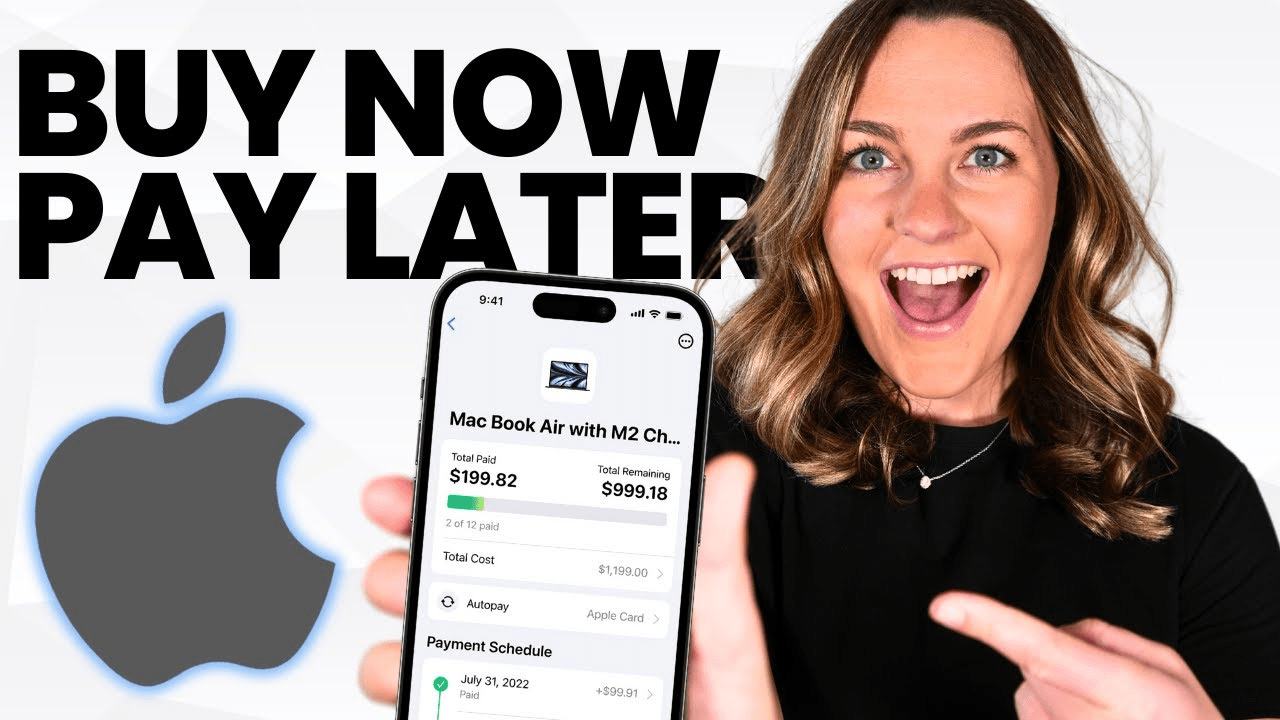
Now the financial burden of “subscription fatigue” is getting a high-tech remedy from Cupertino. On Tuesday, April 28, 2026, Apple announced a major shift in how users interact with the App Store. Therefore, the Apple App Store monthly installments annual subscriptions rollout is set to change the purchasing habits of millions. Specifically, the new feature allows users to enjoy the discounted rates of annual plans while paying in 12 manageable monthly installments. Instead of shelling out a large sum upfront, users can now spread the cost across the year, making premium software more accessible than ever.
Meanwhile, while this sounds like a win for consumer flexibility, the “catch” lies in the rigid nature of the commitment.
But for those in the United States and Singapore, the wait continues, as these regions have been explicitly excluded from the initial launch.
Also Read | Imran Khan and Bushra Bibi Sentenced to 17 Years in Jail
How Apple is Reimagining App Billing
Now we must analyze why Apple is moving toward this “buy now, pay later” style for digital services. Most premium apps offer a significant discount if you pay for a full year, but many users avoid this due to the high upfront cost. Therefore, the Apple App Store monthly installments annual subscriptions feature acts as a bridge.
Bridging the Gap
First, Apple is providing a way to lower the “barrier to entry” for expensive pro-level apps. Then, by allowing monthly installments, they encourage users to commit to longer cycles. Thus, the App Store ecosystem becomes more sticky. Next, this move aligns Apple with modern fintech trends seen in other retail sectors. Therefore, the goal is to increase the conversion rate of free users to paid “annual” subscribers without the immediate sticker shock.
The 12-Month Lock-In: Understanding the Commitment
Now, the flexibility comes with a legal hook. This is not a standard monthly subscription that you can toggle off at any time. It is a 12-month installment contract.
The Binding Agreement
First, when you opt for this plan, you are agreeing to a full-year term. Then, the payment is simply divided into 12 parts for your convenience. Thus, you are financially liable for the entire amount from day one. Next, if you fail to make a payment, Apple has stated that you will lose access to the subscription immediately. Therefore, the Apple App Store monthly installments annual subscriptions plan requires a level of financial planning similar to a traditional loan or a mobile phone contract.
Cancellation Policy: What Happens if You Quit Mid-Year?
Now, many users might assume that “cancelling” stops the billing. This is the “catch” Apple has clarified in its latest documentation.
No Mid-Year Exits
First, cancelling the subscription in the middle of the commitment year will not stop the monthly installments. Then, your card will continue to be charged until all 12 payments are completed. Thus, the “cancellation” only prevents the subscription from renewing for a second year. Next, you will continue to have active access to the app’s premium features until the 12-month period ends. Therefore, users must be absolutely certain they need the app for the long haul before choosing the installment route.
Also Read | Imran Khan and Bushra Bibi Sentenced to 17 Years in Jail
Financial Flexibility: Breaking Down the Math
Now, let’s look at the actual savings. Most apps price their annual plans at a 20% to 30% discount compared to 12 individual monthly payments.
The Math at a Glance:
-
Standard Monthly Price: ₹150/month (Total: ₹1,800/year)
-
Standard Annual Price: ₹1,200 (Paid upfront)
-
New Installment Price: ₹100/month (Total: ₹1,200/year)
First, you are effectively saving ₹600 per year compared to the month-to-month plan. Then, you are avoiding the ₹1,200 hit to your bank account all at once. Thus, you get the best of both worlds—lower pricing and better cash flow. Next, if an app offers a special promotional discount, that lower price is also distributed evenly over the 12 months. Therefore, this model is designed to maximize value for the disciplined consumer.
Regional Exclusions: The US and Singapore Gap
Now, in a surprising twist, two major markets are being left out of the initial rollout. Apple has confirmed that users in the US and Singapore will not receive this feature in May.
Regulatory Hurdles?
First, Apple has not provided a specific reason for these exclusions. Then, analysts suggest that complex credit laws or banking regulations in these regions might be the cause. Thus, the “financing” nature of these installments might trigger different legal requirements than a standard subscription. Next, users in Europe, India, and the rest of Asia are expected to be the primary early adopters. Therefore, the Apple App Store monthly installments annual subscriptions launch will be a massive test case for international markets.
Software Requirements: Preparing for iOS 26.5
Now, to access this feature, you must be on the latest software. Apple is bundling this update with its “Spring refresh” cycle in May 2026.
Required OS Versions:
-
iPhone: iOS 26.5
-
iPad: iPadOS 26.5
-
Mac: macOS Tahoe 26.5
-
Apple TV: tvOS 26.5
-
Apple Vision Pro: visionOS 26.5
First, ensure your device is compatible with the “26” series of operating systems. Then, wait for the notification in May to download the update. Thus, the new billing options will appear automatically within the App Store “Subscriptions” menu. Next, the update will also include various security patches and minor UI tweaks. Therefore, keeping your device updated is the only way to take advantage of this new financial flexibility.
Also Read | Imran Khan and Bushra Bibi Sentenced to 17 Years in Jail
Tracking Your Payments: The New App Store Dashboard
Now, to prevent “subscription shock,” Apple is making it easier to track what you owe. The App Store is getting a transparency upgrade.
Real-Time Monitoring
First, the App Store page for any app with an active installment plan will show the exact monthly amount. Then, it will clearly display the due date for the next payment. Thus, you won’t have to go digging through your email receipts to know when your next ₹100 is due. Next, this dashboard will also show you how many months are remaining in your current commitment. Therefore, the Apple App Store monthly installments annual subscriptions system is built to be as transparent as a modern banking app.
Developer Impact: Why This Matters for App Creators
Now we must consider the other side of the screen. For app developers, this is a significant change in how they receive revenue.
Consistent Cash Flow
First, developers no longer have to wait for a massive influx of “annual” cash only once a year. Then, they get a steady, predictable monthly stream of income from their most loyal users. Thus, it makes financial planning and payroll much easier for small dev teams. Next, it likely increases their total “Lifetime Value” per user by reducing the friction of the initial sale. Therefore, the new model is a win-win that stabilizes the “developer economy” while pleasing the user base.
Common Questions Answered
Can I cancel the installment plan halfway through the year? Now, you can “cancel,” but it won’t stop the payments. Thus, your card will be charged for the remaining months, and you will keep access until the year is up.
Why are the US and Singapore excluded? First, Apple hasn’t said why. However, it is likely due to regional financial regulations regarding “installment-based” contracts.
Does this work for all apps? Next, only for apps that offer an annual subscription option. Therefore, developers must choose to support this new billing model.
What happens if my payment fails? So, if a monthly installment is missed, you will lose access to the premium features. Thus, you must resolve the payment issue to regain access.
When will this be available in India? Finally, it is expected to roll out in May 2026 with the release of the 26.5 software updates.
Also Read | Imran Khan and Bushra Bibi Sentenced to 17 Years in Jail
End….