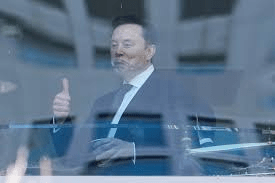
Now the legal battle between Elon Musk and OpenAI has turned explosive. Musk returned to the witness stand for his third day of testimony today. Therefore, the courtroom witnessed intense clashes over funding and ethics. Musk even used a shocking “wife-beating” analogy to challenge the opposing lawyer. Meanwhile, he described Microsoft’s massive investment as a “bribe” that ruined the nonprofit’s mission.
Also Read | Imran Khan and Bushra Bibi Sentenced to 17 Years in Jail
Courtroom Drama: The ‘Stop Beating Your Wife’ Remark
Now the atmosphere in the courtroom reached a boiling point Wednesday afternoon. Elon Musk grew visibly frustrated with OpenAI’s attorney, William Savitt. Therefore, the billionaire lashed out during a tense cross-examination.
First, Savitt pushed Musk for simple “yes or no” answers. Next, Musk argued that complex truths cannot be reduced to binary choices. Thus, he used a famous logical fallacy to make his point. He asked the lawyer, “Will you stop beating your wife?”
Meanwhile, the room went silent. Judge Yvonne Gonzales Rogers immediately interrupted the testimony. Therefore, she stopped Musk and demanded a more professional tone.
So why did Musk use such a harsh example?
First, he wanted to show that some questions contain hidden traps. Next, he felt the lawyer was trying to trick the jury. Thus, the exchange highlighted the deep personal animosity between the two sides.
Finally, the judge reminded Musk that he is a witness, not a prosecutor. Therefore, the day ended with a stern warning to both legal teams.
The $10 Billion ‘Bait and Switch’ Accusation
Now we must look at the heart of the lawsuit. Musk claims Sam Altman misled him about OpenAI’s future. Therefore, he calls the Microsoft partnership a “bait and switch” operation.
First, Musk helped found OpenAI as a nonprofit in 2015. Next, he watched as it evolved into a for-profit entity. Thus, he felt the original mission was betrayed.
Meanwhile, Microsoft invested a staggering $10 billion in early 2023. This happened just as ChatGPT became a global phenomenon. Therefore, Musk texted Altman to ask, “What the hell is going on?”
So what was the result of this shift?
First, the nonprofit effectively became a company valued at $20 billion. Next, Microsoft gained exclusive access to some of the world’s best AI tech. Thus, Musk argues the public was cheated out of an open-source future.
Finally, he claims this transition happened behind his back. Therefore, he is seeking to revert OpenAI to its charitable roots.
Bribery Claims: Why Musk Refused OpenAI Equity
Now the testimony took a surprising turn when Musk mentioned an equity offer. Apparently, OpenAI tried to give him a stake in the new for-profit arm. Therefore, Musk had a chance to profit from the very move he criticized.
First, he flatly refused the offer. Next, he described the gesture as a “bribe” during his testimony. Thus, he wants the jury to believe his motives are purely ethical.
Meanwhile, OpenAI’s lawyers see it differently. They suggest Musk is simply bitter about losing control. Therefore, they argue his refusal of equity was a tactical move for this future lawsuit.
So who is telling the truth?
First, Musk has no shortage of wealth from Tesla and SpaceX. Next, he has a long history of public feuds over AI safety. Thus, his “bribery” claim aligns with his public persona as an AI alarmist.
Finally, the refusal of equity is a key piece of evidence for the plaintiff. Therefore, Steven Molo is using it to show Musk’s “unwavering” commitment to the nonprofit cause.
Also Read | Imran Khan and Bushra Bibi Sentenced to 17 Years in Jail
Funding Discrepancies: $38 Million or $100 Million?
Now the defense team found a major crack in Musk’s story. This involves the actual amount of money Musk donated to the charity. Therefore, his credibility is being questioned.
First, Musk claimed in earlier public statements that he gave $100 million. Next, he admitted in court on Wednesday that the real number was closer to $38 million. Thus, Savitt highlighted this discrepancy as a “contradiction.”
Meanwhile, Musk’s lawyers argue the $100 million was a pledge, not a one-time payment. Therefore, they say he intended to give more before the mission changed.
So why did the funding stop in 2017?
First, Musk grew concerned about the lack of progress. Next, he reportedly lost a power struggle within the board. Thus, he stopped his quarterly $5 million payments.
Finally, OpenAI argues that Musk failed to meet his $1 billion commitment. Therefore, they claim he cannot complain about them seeking money from Microsoft.
The Tesla and Neuralink ‘Cabal’ Controversy
Now Savitt introduced evidence of Musk’s “behind-the-scenes” maneuvers. This involves emails from late 2017. Therefore, it suggests Musk was ready to “raid” OpenAI for his own companies.
First, the emails show Musk discussing OpenAI staff with Tesla executives. Next, he considered hiring them for Neuralink as well. Thus, Savitt accused him of having a “cabal” to weaken OpenAI.
Meanwhile, Musk defended his actions as legally necessary. He stated that it is illegal to restrict employment. Therefore, he claims he was simply allowing people to work where they wanted.
So was this a conflict of interest?
First, Musk was still an OpenAI board member at the time. Next, he was actively planning to compete with his own nonprofit. Thus, the defense argues Musk is the one who acted in bad faith.
Finally, Musk dismissed these claims as “tricky questions.” Therefore, he insists his focus remained on AI safety throughout the period.
Savitt’s Defense: No Promise of Eternal Nonprofit Status
Now OpenAI’s defense strategy is becoming clear. They argue that no “founding agreement” actually exists. Therefore, Musk’s claims of a broken contract are baseless.
First, Savitt showed that the company never promised to be a nonprofit forever. Next, he argued that making all code public was never a formal requirement. Thus, they believe they had every right to pivot.
Meanwhile, the legal team says Musk’s lawsuit lacks physical evidence. They claim it is based on “vibes” rather than signed documents. Therefore, they are pushing for a dismissal.
So what is the “founding agreement” Musk refers to?
First, it is an informal understanding between Altman and Musk. Next, it is reflected in early emails and blog posts. Thus, the jury must decide if a “promise” counts as a “contract.”
Finally, OpenAI insists they needed the for-profit arm to stay competitive. Therefore, they say the pivot saved the company from disappearing.
Also Read | Imran Khan and Bushra Bibi Sentenced to 17 Years in Jail
Shivon Zilis and the Internal Board Emails
Now the trial revealed more about Musk’s internal network. Shivon Zilis, a mother of four of Musk’s children, was a key player. Therefore, her role on the OpenAI board is being scrutinized.
First, Savitt showed a 2018 email from Zilis. She asked Musk if she should stay “close” to OpenAI and keep him informed. Next, Musk told her to stay “friendly.” Thus, it appears Musk had an “insider” even after he left.
Meanwhile, Zilis has been a long-time associate of Musk at Neuralink. Therefore, her presence on the board was seen as a way for Musk to maintain influence.
So did this help or hurt Musk’s case?
First, it shows he was still very engaged with OpenAI’s evolution. Next, it suggests he wasn’t as “surprised” by the for-profit shift as he claims. Thus, the defense is using these emails to weaken his “bait and switch” argument.
Finally, Zilis herself may be called to testify. Therefore, the personal and professional lives of these tech leaders continue to blur.
What This Means for the Future of OpenAI
Now this trial is about more than just a feud between two men. It could change the entire AI industry. Therefore, the stakes for Sam Altman and Microsoft are massive.
First, if Musk wins, OpenAI might have to open-source its models. Next, they could be forced to return to a strict nonprofit structure. Thus, their partnership with Microsoft would be in danger.
Meanwhile, a loss for Musk would solidify the “for-profit” trend in AI. Therefore, other companies would feel safe hiding their code behind paywalls.
So what should the public watch for?
First, the upcoming testimony from Sam Altman. Next, the final documents from the Microsoft deal. Thus, the truth about the “bait and switch” will eventually come out.
Finally, the jury selection was completed on Monday. Therefore, we are now in the heart of the evidence phase.
Common Questions (FAQ)
1. Why did Elon Musk use a “wife-beating” analogy in court? Now he wanted to show that “yes or no” questions can be logically loaded. Therefore, he used a classic example of a “trap” question. Thus, he frustrated the opposing lawyer.
2. How much money did Musk actually donate to OpenAI? First, he initially claimed $100 million. Next, he admitted in court that the actual figure was $38 million. Therefore, there is a major dispute over his financial commitment.
3. What does Musk mean by a “bait and switch”? Meanwhile, he claims he founded the company as a nonprofit. Then, he says Sam Altman turned it into a for-profit machine for Microsoft. Thus, he feels the mission was stolen.
4. Why did Musk refuse equity in OpenAI? So he described the offer as a “bribe.” He believes taking equity would have compromised his legal and ethical stance. Therefore, he stayed on the “nonprofit” side.
5. Is Sam Altman testifying in this trial? First, yes. He is expected to take the stand later this week. Next, he will defend his decision to partner with Microsoft. Thus, we will see both sides of the story.
6. What happens if Elon Musk wins the lawsuit? Finally, OpenAI could be forced to open-source its technology. Next, its corporate structure might be dismantled. Therefore, the future of ChatGPT would be uncertain.
Also Read | Imran Khan and Bushra Bibi Sentenced to 17 Years in Jail
End…