

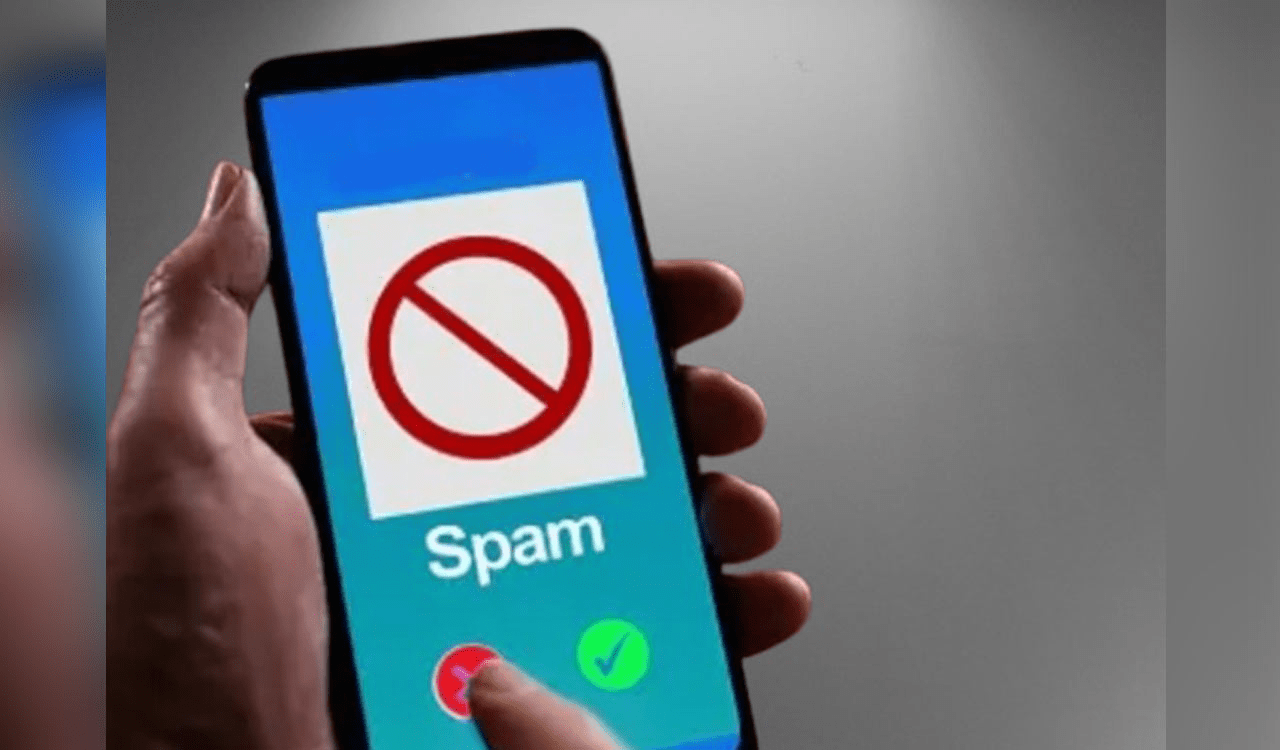
Now the digital trust of millions of Indians is under constant siege. According to Truecaller’s latest global report released on May 5, 2026, India has secured a spot in the top five most spammed countries in the world. Therefore, with a spam intensity of 66%, roughly two out of every three unknown calls received by Indians are either telemarketing or outright fraud. Meanwhile, the report warns that we have entered the “Machine Era,” where automated scripts and AI-driven systems are replacing human scammers to scale attacks at an unprecedented rate.
Also Read | Imran Khan and Bushra Bibi Sentenced to 17 Years in Jail
The Surge in India: Why Spam Intensity Hit 66%
Now the volume of unwanted communication in India has reached a tipping point. The latest data shows that the country recorded a spam intensity of 66% over the last year. Therefore, if you pick up a call from a number not in your contact list, there is a high probability it is a pitch you didn’t ask for.
First, the accessibility of cheap data and VOIP services has allowed local call centers to scale. Next, the sheer size of the Indian mobile user base makes it a lucrative target for global networks. Thus, the frequency of these calls is not just an annoyance—it is a significant drain on productivity and mental peace.
So the reliance on caller identification apps has become a necessity rather than an option. Meanwhile, the decline in trust for unknown numbers is changing how businesses interact with customers. Therefore, the “spam epidemic” is fundamentally altering the Indian communication landscape.
Breaking Down the Callers: Sales, KYC Alerts, and Scams
Now it is important to know exactly who is on the other end of the line. In India, sales and telemarketing remain the biggest culprits, accounting for 36% of all spam calls. Therefore, these are the persistent loan offers and real estate pitches that fill your afternoon.
First, financial services make up another 18%, often involving credit card offers or insurance plans. Next, the most dangerous category is “scams,” which sits at 12%. Thus, this includes the notorious fake KYC alerts and “bank executive” imposters.
So while sales calls are frustrating, scams are the ones that target your savings. Meanwhile, fraudsters are becoming increasingly sophisticated in their scripts. Therefore, even tech-savvy users must remain vigilant against social engineering tactics.
The ‘Machine Era’: How AI and Automation Drive Fraud
Now the Truecaller report describes 2025 as the definitive start of the “machine era.” This means spam is no longer just a room full of people dialing numbers. Therefore, it has become a highly automated, software-driven industry.
First, fraud networks now use scripts and “number rotation” to bypass blocks. Next, a single operator can now launch thousands of calls a day using automated systems. Thus, blocking a single number is often ineffective because the system simply rotates to a new one immediately.
So the scale of these attacks is now a global issue. Meanwhile, AI-driven voices are making it harder to distinguish between a human and a bot. Therefore, the technological arms race between spammers and security apps is intensifying.
Also Read | Imran Khan and Bushra Bibi Sentenced to 17 Years in Jail
Global Comparison: Where India Stands on the Spam Map
Now India’s fifth-place ranking might seem like a slight improvement, but the raw numbers tell a different story. Indonesia currently leads the global list, followed closely by Chile, Vietnam, and Brazil. Therefore, the “Global South” remains the primary target for these networks.
First, while India is 5th, its 66% intensity is among the highest for a country with over a billion users. Next, the sheer volume of calls identified—over 68 billion globally—shows the massive scale of the problem. Thus, no market is currently immune to these automated intrusions.
So the decline in trust is a worldwide trend. Meanwhile, European and North American markets are seeing different types of “robocall” surges. Therefore, the spam problem is a global pandemic requiring a unified technological response.
The Vulnerability Gap: Why Smaller Towns are Being Targeted
Now the report highlights a worrying trend: the shift toward smaller towns and non-tech-savvy demographics. Scammers are moving away from urban centers where users are more likely to report numbers. Therefore, your parents or domestic help in tier-2 and tier-3 cities are now at high risk.
First, these users may not have call-blocking apps updated. Next, they are often more trusting of people posing as “government agents” or “bank officials.” Thus, a single fake KYC call can lead to devastating financial loss for families in these regions.
So education about digital hygiene is more critical than ever. Meanwhile, scammers use regional languages to build a false sense of trust. Therefore, safety awareness must reach beyond the metropolitan centers to be truly effective.
Regulator Action vs. Personal Safety: The TRAI Factor
Now you don’t have to wait for the Telecom Regulatory Authority of India (TRAI) to solve the issue. While regulators are pushing for tighter norms, personal proactive measures remain your best defense. Therefore, utilizing existing tools like the Sanchar Saathi portal is essential.
First, ensure you have enabled the “Do Not Disturb” (DND) feature through your telecom provider. Next, make it a habit to report every fraudulent number you encounter. Thus, you contribute to the global database that helps protect other users in real-time.
So the regulatory framework is evolving, but spammers are often faster. Meanwhile, the government is working on stricter verification for telemarketers. Therefore, a combination of official regulation and individual caution is the only way forward.
Also Read | Imran Khan and Bushra Bibi Sentenced to 17 Years in Jail
5 Practical Ways to Block and Report Spam Today
Now keeping your phone clean requires a few simple, consistent habits. Therefore, follow these steps to significantly reduce your exposure to spam and potential fraud.
Your Anti-Spam Checklist:
-
First, install or update a reliable caller ID app like Truecaller to catch known offenders.
-
Next, enable the DND (Do Not Disturb) service via your service provider’s mobile app.
-
Thus, never share your OTP or government ID details over a call; legitimate bodies will never ask for them.
-
So, report suspicious numbers directly through the TRAI Sanchar Saathi portal.
-
Finally, if you pick up a call that seems automated or scripted, hang up immediately without speaking.
FAQ: Understanding the 2026 Truecaller Global Report
1. How high is the spam intensity in India? Now, according to the 2026 report, India recorded a spam intensity of 66%.
2. Where does India rank globally for spam calls? First, India is currently ranked 5th in the world, with Indonesia taking the top spot.
3. What is the biggest category of spam calls in India? So sales and telemarketing account for 36% of all spam calls, followed by financial services at 18%.
4. What does the “Machine Era” of spam mean? Next, it refers to the shift toward automated systems and AI scripts that allow scammers to scale their attacks massively without human dialers.
5. How many spam calls were identified globally in 2025? Now, the platform identified more than 68 billion spam and fraud calls globally in just one year.
6. Is it safe to share government ID details on a call? Finally, no. Legitimate government bodies and banks will never ask for sensitive details like your ID digits or OTPs over a phone call.
Also Read | Imran Khan and Bushra Bibi Sentenced to 17 Years in Jail
End….

