A massive fleet of 11 supertankers has breached the lifting US military blockade at Chabahar, flooding maritime routes toward China even as fresh border clashes delay permanent Swiss peace talks.
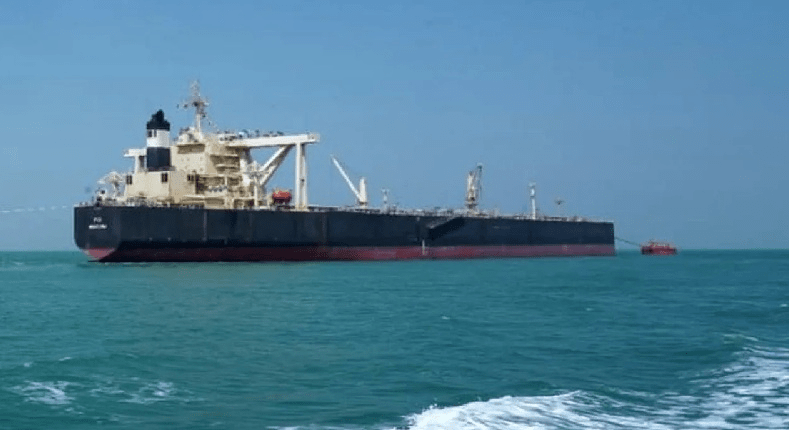
Following months of severe maritime economic paralysis, Iran’s crude oil exports have experienced a dramatic resurgence after a breakthrough diplomatic understanding was achieved between Tehran and Washington. Freshly updated shipping telemetry published by Bloomberg indicates that a massive fleet of 11 oil tankers, carrying an estimated 20 million barrels of crude oil, has successfully departed from ports along the Gulf of Oman.
Prior to this major operational movement, these transport vessels had remained completely immobilized, unable to sail into the open waters of the Indian Ocean due to a strict, long-standing United States military blockade designed to choke off Iran’s petroleum revenues. Historically, the vast majority of these energy shipments are destined for industrial processing hubs across China.
Also Read | Imran Khan and Bushra Bibi Sentenced to 17 Years in Jail
                        [Iran Energy Export Rebounds Matrix]
                                          │
         ┌────────────────────────────────┼────────────────────────────────┐
         ▼                                ▼                                ▼
 [The Export Surge]              [Geographic Pivot]               [The Tracking Horizon]
 • Total volume: 20M barrels     • Primary outlet: Chabahar port  • Dark shipping spikes
 • Tanker fleet count: 11 rakes  • Location: Outside Persian Gulf • Transponders deactivated
 • Primary market: China destinations • Border adjacency: Pakistan  • Coastline routes favored
Chabahar Emerges as the Primary Hub for Energy Surges
The sudden acceleration in maritime traffic has coincided with localized efforts by Tehran to strictly manage commercial shipping corridors running through the strategic Strait of Hormuz. The Persian Gulf State Authority, the administrative body overseeing daily transit operations, has implemented updated regulatory frameworks mandating that all commercial vessels strictly stick to designated marine lanes, while outlining a new structure for imposing transit tolls on international ships navigating the waterway.
Since the formal signing of the initial memorandum of understanding on Wednesday, the port of Chabahar has emerged as the most critical infrastructure hub for these expanding energy shipments. Located strategically near Iran’s shared border with Pakistan, Chabahar sits entirely outside the volatile confines of the internal Persian Gulf, offering the clearest structural proof of immediate oil flows despite broader diplomatic uncertainties across the region.
Also Read | Imran Khan and Bushra Bibi Sentenced to 17 Years in Jail
[US Military Maritime Blockade] ──► Lifted by Wednesday's Memo of Understanding
                                             │
                                             ▼
[Chabahar Port Infrastructure]  ──► 11 Supertankers Dispatched with 20M Barrels to China
Geopolitical Friction Delays Permanent Swiss Peace Protocols
Despite the immediate surge in maritime energy logistics, the long-term geopolitical forecast for the region remains highly volatile. Formal diplomatic negotiations aimed at solidifying a permanent, comprehensive peace treaty between the United States and Iran—originally scheduled to commence in Switzerland on Friday—have been abruptly postponed.
                   [Middle East Energy Transit Security Status]
                                        │
    ┌───────────────────────────────────┼───────────────────────────────────┐
    ▼                                   ▼                                   ▼
[The Lebanon Catalyst]          [Hormuz Traffic Impact]             [The Tenzan Vector]
• Heavy overnight artillery     • Non-Iranian tanker traffic drops  • Fully loaded supertanker
  clashes in South Lebanon.       noticeably by Friday morning.       monitored in Gulf of Oman.
• Involves IDF forces and       • Contrast to Thursday's 10-million • Confirmed crossing the strait
  Hezbollah militant units.       barrel outbound transit peak.       during overnight window.
The diplomatic delay was triggered by heavy overnight military clashes involving Israel and Iran-backed Hezbollah forces in southern Lebanon. It remains highly uncertain whether this political stall will depress shipping volumes navigating back through the Strait of Hormuz and the broader Gulf of Oman in the coming weeks.
Analysts monitoring regional waters noticed that overall traffic metrics appeared considerably lighter on Friday morning, with zero non-Iranian supertankers observed exiting the Persian Gulf. This stands in sharp contrast to Thursday’s peak, when international vessels hauling nearly 10 million barrels of crude were actively transiting out of the choke point.
Also Read | Imran Khan and Bushra Bibi Sentenced to 17 Years in Jail
However, hidden energy movements are expected to increase; maritime intelligence reveals that an increasing number of ships are traversing the Strait of Hormuz with their AIS transponders switched off, hugging the coastlines of Oman to avoid international tracking systems.
SECTION 4 — FAQ
Q1: Why were these 20 million barrels of Iranian oil unable to leave the region previously?
The oil tankers were effectively trapped due to a strict United States military blockade in the region. The blockade was designed to choke off Iran’s access to international energy revenues by physically preventing transport ships from entering the Indian Ocean.
Q2: What makes the port of Chabahar so important for Iran’s new oil export strategy?
Chabahar is uniquely valuable because it is located outside the Persian Gulf, sitting directly on the Gulf of Oman near the Pakistani border. This geographic position allows oil tankers to bypass potential military bottlenecks inside the Strait of Hormuz and access international shipping lanes directly.
Q3: Why have international peace talks between the US and Iran been delayed?
While a preliminary memorandum of understanding opened up the oil gates on Wednesday, permanent peace negotiations scheduled to begin in Switzerland were delayed due to a sudden outbreak of overnight military clashes between Israel and Hezbollah forces in southern Lebanon.
Also Read | Imran Khan and Bushra Bibi Sentenced to 17 Years in Jail