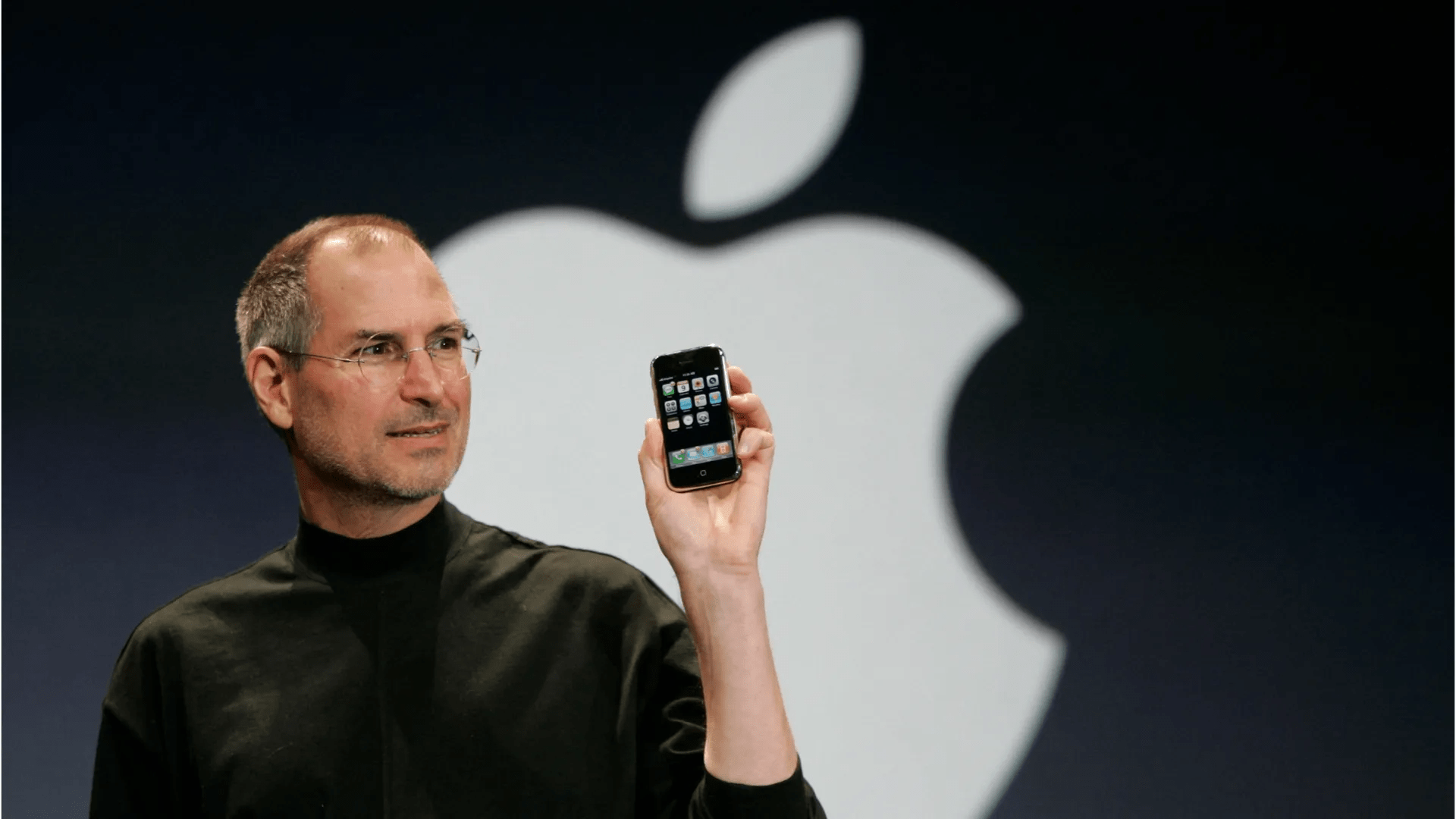
As Apple marks its 50th year, the tech giant is proving that its perceived “delay” in the AI race was actually a calculated application of Ma—the Japanese concept of a purposeful pause. While Microsoft and Google spent a combined $1.4 trillion in a frantic R&D “gold rush” since 2022, Apple lurked in the tall grass, waiting for foundational models to become a commodity before striking a definitive deal with Google Gemini.
The “coiled spring” of Apple Intelligence is about to uncoil, potentially flipping the switch on 2.5 billion devices simultaneously.
Also Read | Imran Khan and Bushra Bibi Sentenced to 17 Years in Jail
The Economic Moat: User-Funded Compute
Apple’s strategy avoids the “burn rate” trap currently bleeding other AI firms. By baking Neural Engines into their silicon (M4, M5, and A19/A20 chips) years in advance, they have shifted the cost of AI from the server to the pocket.
The Cost Paradox: Every query to ChatGPT or Copilot costs the provider cents to dollars in server power.
The Apple Advantage: When an iPhone 18 Pro summarizes an email, the compute cost to Apple is $0. The user has already paid for that “server” by purchasing the hardware.
The Subscription Killer: With Gemini integrated for free into the Apple ecosystem, the ₹1,900/month subscriptions for standalone AI chatbots may soon feel redundant to the average consumer.
Apple vs. The “Hyperscalers” (2023–2026)
Also Read | Imran Khan and Bushra Bibi Sentenced to 17 Years in Jail
| Strategy Metric | The “Gold Rush” (Microsoft, Google) | The “Ma” Strategy (Apple) |
| Philosophy | Arrive First (Build the Model) | Arrive Right (Perfect the UX) |
| Spending | $1.4 Trillion in R&D/Infra | Reported $1 Billion/Year for Gemini |
| Privacy Stance | High Profile Collection (Cloud-First) | “Laziness, Not Efficiency” (On-Device) |
| Compute Model | High Server Overhead | On-Device & Private Cloud Compute |
The Gemini Partnership: Siri’s New Brain
Apple’s reported $1 billion-a-year deal with Google allows Siri to handle “heavy lifting” via Gemini while maintaining Apple’s industry-leading privacy standards.
Also Read | Imran Khan and Bushra Bibi Sentenced to 17 Years in Jail
Apple Foundation Models: Used for lightweight, on-device tasks (text refinement, photo editing).
Google Gemini: Called upon for complex, world-knowledge queries that require massive cloud-based LLMs.
Private Cloud Compute: A secure “buffer” that ensures data sent to the cloud for AI processing is never stored or accessible by anyone—including Apple.
Investigative Insight: The “Commodity” Trap
Apple’s genius was recognizing that LLMs would eventually become a “commodity” rather than a unique product. By waiting, Apple avoided the massive losses associated with training early, inefficient models. Instead, they are now buying the “best-in-class” foundation from Google at a fraction of the cost it would have taken to build it from scratch.
Furthermore, the iPhone 17 and MacBook Neo are not just gadgets; they are distributed nodes in the world’s largest AI supercomputer. While OpenAI struggles to build a rumored “AI device,” Apple already has a billion of them in people’s hands. This “predatory” patience means Apple doesn’t need to win the model war—they just need to own the interface where the models live.
Also Read | Imran Khan and Bushra Bibi Sentenced to 17 Years in Jail
End…..