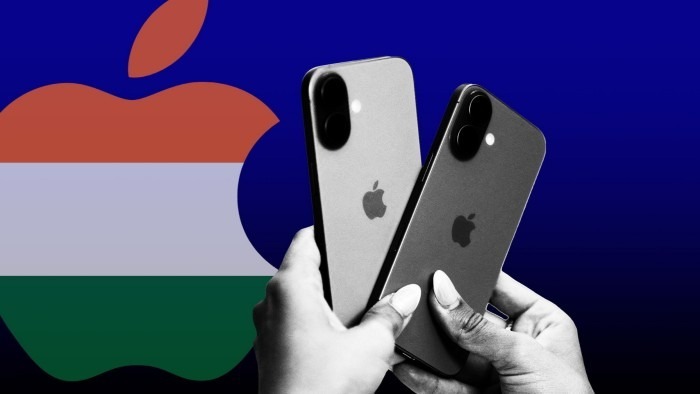
India’s transformation into a global electronics powerhouse is facing a critical “re-up” moment. On Tuesday, March 10, 2026, industry insiders confirmed that Apple Inc., Samsung, and their lead suppliers are in intensive discussions with New Delhi to secure a second round of production incentives.
As the current smartphone subsidies approach their March 31 expiration, the pressure is on. With global trade dynamics shifting—including recent US legal rulings affecting Chinese duties—India must act swiftly to ensure its “cost-competitive” status doesn’t evaporate just as the iPhone 17 production hits full throttle.
Also Read | Imran Khan and Bushra Bibi Sentenced to 17 Years in Jail
The Subsidy Cliff: Why March 31 Matters
The Production Linked Incentive (PLI) scheme has been the engine behind India’s recent manufacturing boom.
The Challenge: Assembly and component manufacturing in India still cost more than in China or Vietnam.
Global Competition: A recent US Supreme Court decision striking down certain duties on China has made Chinese exports more competitive again, forcing India to rethink its incentive structure to prevent a manufacturing flight.
Manufacturing Milestones: Pro Max Goes Local
Apple’s commitment to India has moved beyond “legacy” models.
The 17 Lineup: Suppliers like Foxconn, Tata Electronics, and Pegatron are currently building the entire iPhone 17 range.
High-End Shift: This includes the sophisticated iPhone 17 Pro and Pro Max, marking a significant upgrade in the technical capabilities of Indian factory floors.
Legacy Exports: Production of iPhone 15 and 16 continues alongside the flagship, serving both the surging domestic market and international demand.
Supply Chain Deepening: From Enclosures to Cells
The “Made in India” tag is moving deeper into the device’s bill of materials.
Component Expansion: Apple is widening its local base to include lithium-ion cells and enclosures for both iPhones and Apple Watches.
Accessories: Production for AirPods is also scaling up, diversifying the local output beyond just smartphones.
Also Read | Imran Khan and Bushra Bibi Sentenced to 17 Years in Jail
Retail & Services: The $9 Billion Consumer Shift
India is no longer just a “factory” for Cupertino; it is a top-tier revenue engine.
Revenue Milestone: Annual sales in the region have surged past the $9 billion mark.
Retail Footprint: Apple’s network has expanded to six flagship stores, providing a direct premium experience to India’s growing affluent class.
FinTech Entry: Apple Pay is slated for a formal India launch later this year, signaling a deeper integration into the country’s digital payments ecosystem.
Reality Check
Apple is “all-in” on India, but the math must work. Still, the cost of logistics, land, and power in India remains a friction point compared to the highly optimized ecosystems in Shenzhen. Therefore, while the $9 billion sales figure justifies the retail expansion, the manufacturing side remains heavily dependent on government “carrots” to offset the “disabilities” of the local environment. In fact, if the new PLI 2.0 isn’t finalized by early April, we could see a temporary slowdown in the aggressive expansion of component facilities.
The Loopholes
The government says India is becoming “cost-competitive.” In fact, this is a “Subsidy-Dependent Loophole”—the competitiveness currently exists largely because of the 4% to 6% cashback provided by the PLI. Therefore, India hasn’t yet reached a “natural” cost parity with Vietnam or China. Still, the “Component Loophole” remains; while assembly is 100% local for the 17-series, many high-value components (like the A19/A20 chips and OLED panels) are still imported, meaning the “Value Addition” remains lower than the government’s long-term targets.
Also Read | Imran Khan and Bushra Bibi Sentenced to 17 Years in Jail
What This Means for You
If you are looking to buy the iPhone 17, expect more “Assembled in India” units on the shelves. First, realize that local assembly often leads to better availability and occasionally festive-season discounts. Then, if you are a tech professional, understand that the entry of Apple Pay will create a new surge in jobs within the Indian FinTech and iOS development sectors.
Finally, understand that Tata Electronics is becoming a global player. You should watch their growth as they move from simple assembly to complex component manufacturing. Before you assume the prices will drop significantly, remember that import duties on high-end components still keep the Indian Pro models among the most expensive in the world.
What’s Next
The Union Budget “Mini-Update” on manufacturing incentives is expected before March 31. Then, look for the official Apple Pay launch event in Mumbai or Delhi by the third quarter of 2026. Finally, expect Samsung to announce a parallel expansion of its Noida facility to match Apple’s export-driven momentum.
Also Read | Imran Khan and Bushra Bibi Sentenced to 17 Years in Jail
End…