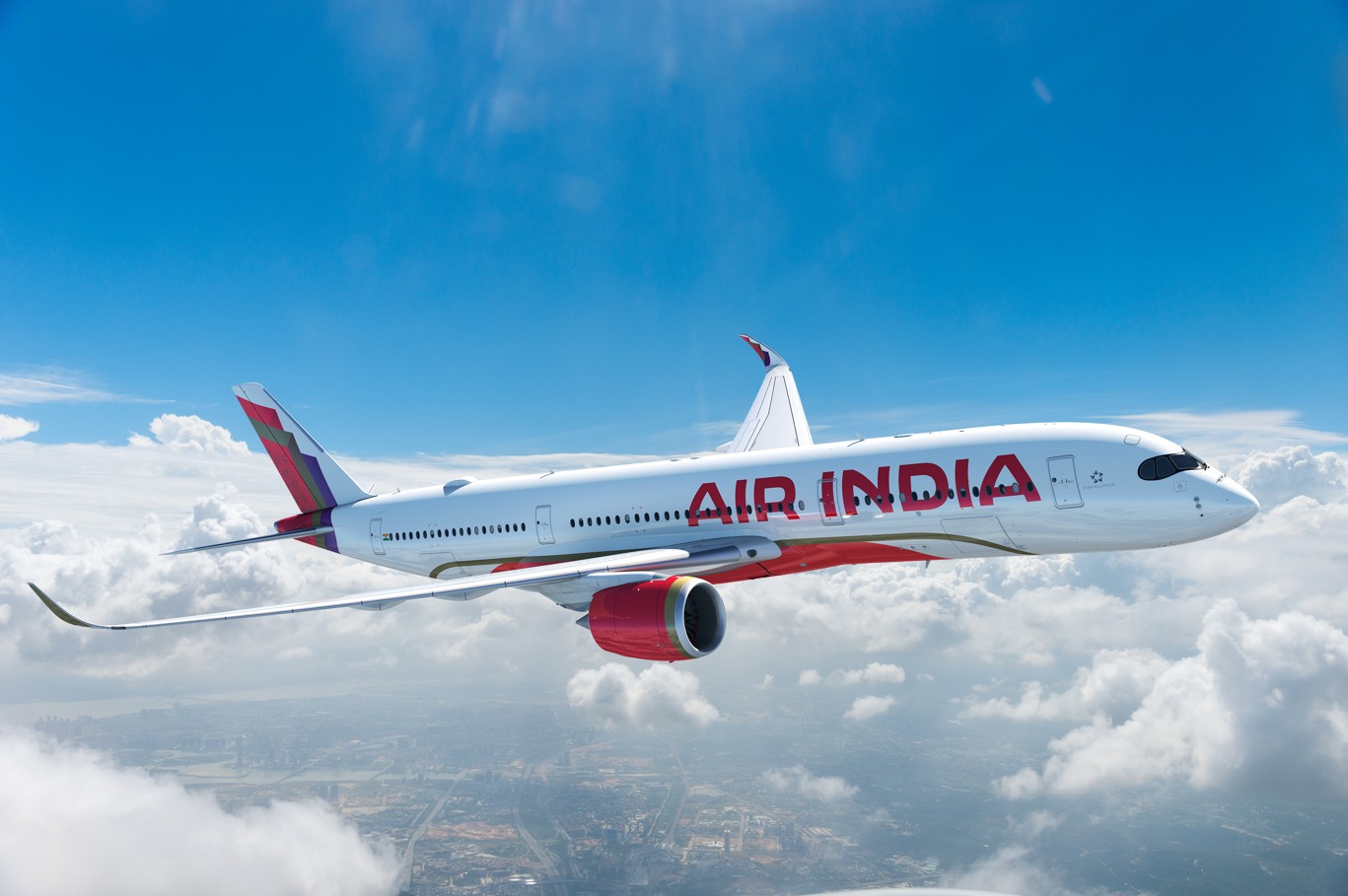
An Air India A320 flew eight commercial flights with an expired Airworthiness Review Certificate (ARC), a major DGCA violation, just as 6,000 A320s globally faced grounding due to a software flaw linked to cosmic radiation. Executives have been de-rostered. This is the latest blow to Air India’s safety culture overhaul.
This is a complete breakdown of compliance. A huge, serious lapse. Air India—Tata-owned, supposed to be getting its act together—flew a 164-seater Airbus A320 eight times with an expired Airworthiness Review Certificate (ARC).
That’s a critical piece of paper. The ARC is what validates the main Certificate of Airworthiness. It must be renewed annually. Flying without it? That’s a massive safety breach. That happened on November 24th and 25th. And then an engineer finally discovered the lapse.
The Internal Failure
The DGCA is now all over this. The executives involved in letting that plane out? They’ve been de-rostered right away, pending a full investigation. This is considered a Level 1 violation—critical to flight safety.
The thing is, an airline’s internal unit, the Continuing Airworthiness Management Organisation (CAMO), is supposed to be on top of this. You start the renewal process months ahead. It’s a core responsibility. The fact that the plane flew eight times raises serious questions about Air India’s whole safety culture. This is the latest in a series of lapses that has plagued the airline, even after privatization. It makes the effort to convince flyers that they take safety seriously much, much harder.
The Global Context: Cosmic Radiation
This embarrassing lapse is hitting at the exact same time the entire global aviation industry is reeling from a massive A320 issue. It’s a double whammy for the platform.
-
The Problem: Airbus has ordered urgent fixes for roughly 6,000 A320-family jets worldwide. The cause? Intense bursts of cosmic radiation from the Sun. Let that sink in.
-
The Risk: The radiation was found to interfere with the flight-control computers—the Elevator Aileron Computer (ELAC)—that control a plane’s altitude. The vulnerability was exposed when a JetBlue flight suddenly lost altitude in October, forcing an emergency landing and injuring 15 passengers.
-
The Fix: Most planes can get a simple software update rollback in a couple of hours. That quick fix happened. But about 900 older jets need a complete hardware replacement, meaning they are grounded until that can be swapped out.
So, while airlines like IndiGo rushed to complete their software fixes over the weekend—most Indian carriers finished the required software rollback quickly—Air India is struggling with a basic administrative, critical safety failure.
This simultaneous news just underscores the two different kinds of risk facing air travel: a high-tech, space weather vulnerability affecting the whole industry, and a shockingly low-tech, self-inflicted compliance wound at a major airline.
End….