Fatty Liver Is The Big, New Health Problem: 4 Of 10 Indians Affected, Says Lancet
Also Read | Imran Khan and Bushra Bibi Sentenced to 17 Years in Jail
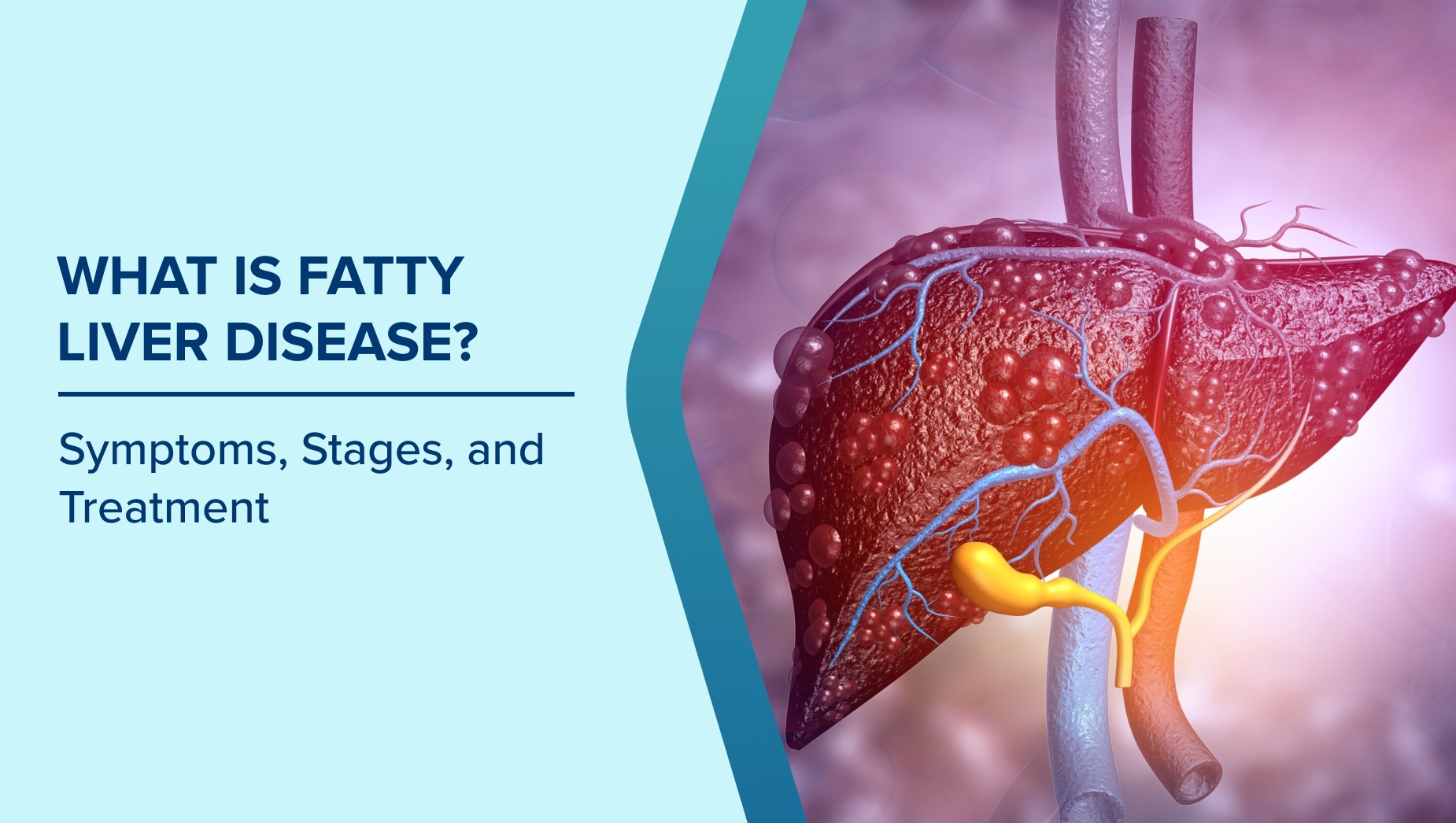
So a silent health crisis is sweeping across urban India. According to a landmark study published in The Lancet Regional Health–Southeast Asia, nearly four in 10 Indian adults now suffer from non-alcoholic fatty liver disease (NAFLD). The goal of this research was to screen thousands of individuals across 27 cities to understand the true scale of the problem. In fact, the data shows that 39% of the population meets the criteria for this condition. Plus, doctors warn that this will lead to a massive surge in liver transplants and cancer cases over the next decade.
The “Lean” Fatty Liver Paradox in South Asians
But here is the main reason why Indians are at a higher risk. Unlike Western populations, South Asians often develop fatty liver at a much lower Body Mass Index (BMI). Is a “normal” weight a guarantee of health? No. Consequently, many Indians carry excess “visceral fat” around their organs even if they look thin. Moreover, specific genetic variants like PNPLA3 make certain regional groups, particularly in West Bengal, more susceptible to severe liver fat accumulation. Previously, doctors relied mostly on BMI to screen for metabolic issues. So, this “lean NAFLD” phenotype makes detection much harder for the average physician. Therefore, looking fit on the outside does not mean your liver is healthy on the inside.
Why the Disease Progresses Silently
Still, the most dangerous part of NAFLD (now also called MASLD) is its lack of symptoms. The plan for the disease is to stay hidden for years while fat slowly damages the liver cells. And, routine blood tests often come back “normal” even when the liver is starting to scar. Accordingly, the study lead, Shantanu Sengupta, suggests that everyone over the age of 35 should undergo structured, risk-based screening.
Also Read | Imran Khan and Bushra Bibi Sentenced to 17 Years in Jail
| Risk Factor | Impact on Liver | Indian Statistics |
| 🍔 Diet/Lifestyle | Rapid Fat Accumulation | 39% Prevalence |
| 🧬 Genetics | Faster Disease Progression | PNPLA3 Variant common |
| 📉 BMI | Develops at Lower Weight | Unique to South Asians |
| 🏥 Transplants | Leading Cause of Surgery | Rising Rapidly |
Moving Toward Targeted Healthcare
But what is the government doing to stop this metabolic transition? The Union Ministry of Health has already integrated NAFLD into the national program for non-communicable diseases. Why? Because treating a fatty liver at a reversible stage is much cheaper than performing a transplant later. Essentially, healthcare experts are now focusing on high-risk groups like those with Type 2 diabetes and hypertension. Indeed, catching the disease early through ultrasound or specialized stiffness tests can save millions of lives.
Then there is the matter of lifestyle changes. The reason for the spike in cases is rapid urbanization and sedentary daily routines. Worth noting: Cutting calories alone might not fix the issue if the diet remains high in processed sugars. Ultimately, India must shift its focus toward preventive liver care to avoid a full-blown medical emergency in the coming years.
Also Read | Imran Khan and Bushra Bibi Sentenced to 17 Years in Jail
Frequently Asked Questions (FAQs)
What is the difference between NAFLD and MASLD? So, they are essentially the same condition. Because of this, medical experts recently updated the name to Metabolic Dysfunction-Associated Steatotic Liver Disease (MASLD) to better reflect the underlying causes like diabetes and obesity.
Can fatty liver be reversed? In fact, yes! In its early stages (steatosis), lifestyle changes and weight loss can completely reverse the fat accumulation. Additionally, regular exercise and a low-sugar diet are the most effective treatments available today.
Does alcohol cause this specific type of fatty liver? But no. By definition, non-alcoholic fatty liver disease occurs in people who drink very little or no alcohol. Consequently, the damage comes entirely from metabolic factors and diet rather than liquor.
Also Read | Imran Khan and Bushra Bibi Sentenced to 17 Years in Jail