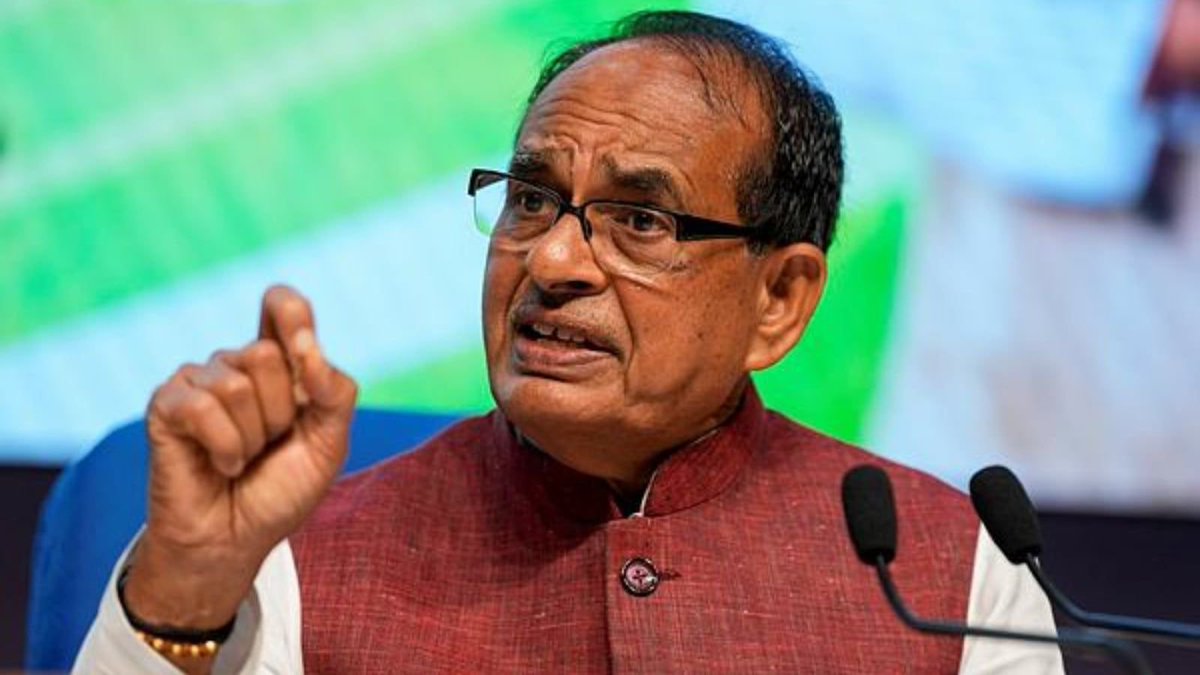
In a historic milestone for global agriculture, Union Agriculture Minister Shivraj Singh Chouhan announced on January 4, 2026, that India has officially surpassed China to become the world’s largest producer of rice. This achievement highlights India’s transition from a food-deficient nation to a dominant global food provider.
Also Read | Bangladesh Withdraws from T20 World Cup Matches in India
1. The Rice Production Milestone (2024–25)3
The latest data for the crop year reflects a record-breaking performance by Indian farmers and scientists.
| Country | Rice Production (Million Tonnes) |
| India | 150.18 MT |
| China | 145.28 MT |
Key Takeaway: India now holds the single largest share of global rice production and is a leading supplier to over 170 overseas markets.
2. Launch of 184 New Crop Varieties
To sustain this momentum and ensure climate resilience, the Minister unveiled 184 new high-yielding varieties of 25 different field crops developed by the Indian Council of Agricultural Research (ICAR).
Breakdown of the 184 New Varieties:
-
Cereals: 122 varieties (including 60 new rice and 50 maize varieties).
-
Cotton: 24 varieties (including 22 improved Bt cotton strains).
-
Oilseeds: 13 varieties (Mustard, Groundnut, Sesame, etc.).
-
Fodder Crops: 11 varieties.
-
Sugarcane: 6 varieties.
-
Pulses: 6 varieties (Arhar, Moong, and Urd).
-
Others: 1 each for Jute and Tobacco.
Also Read | Bangladesh Withdraws from T20 World Cup Matches in India
3. Strategic Goals for 2026
Minister Chouhan outlined a clear roadmap for the “New Era of Agricultural Revolution”:
-
Lab-to-Land: Officials have been directed to ensure these seeds reach farmers within the next three years through expedited distribution.
-
Self-Sufficiency in Pulses/Oilseeds: A renewed focus has been placed on increasing production in these two categories to reduce import dependency.
-
Climate Resilience: The new seeds are specifically designed to withstand soil salinity, drought, and pests, providing a “protective shield” against unpredictable weather patterns.
Also Read | Bangladesh Withdraws from T20 World Cup Matches in India