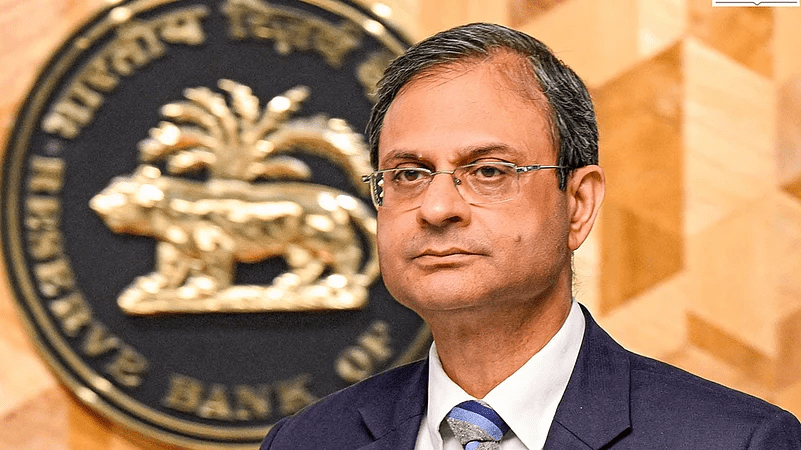
Now the Indian financial sector is facing a series of high-profile challenges. RBI Governor Sanjay Malhotra issued a firm assurance Wednesday morning. First, he stated that the Indian banking system resilience 2026 remains “safe and strong” despite a rise in fraud cases. This statement comes after major incidents at IDFC First Bank and Kotak Mahindra Bank. Therefore, the central bank is working to calm nervous investors and depositors. Meanwhile, the surprise resignation of HDFC Bank’s chairman has sparked a deeper debate on corporate ethics.
Also Read | Imran Khan and Bushra Bibi Sentenced to 17 Years in Jail
The ‘Resilient’ Label: Why the RBI is Confident
Now we must analyze why Governor Malhotra is so certain. First, the Indian banking system has undergone massive reforms over the last decade. Therefore, the current liquidity levels and capital buffers are at an all-time high.
Next, the Governor pointed to the existing number of regulations. Thus, the rules regarding conduct and prudence are meant to prevent systemic failure.
Meanwhile, the central bank believes these isolated incidents do not reflect a total breakdown. Therefore, the Indian banking system resilience 2026 is built on a foundation of strict supervision. So the RBI argues that the system can absorb these shocks easily.
The HDFC Bank Shakeup: Atanu Chakraborty’s Exit
So what actually happened at India’s largest private lender? Atanu Chakraborty resigned as HDFC Bank’s part-time chairman recently. First, he cited that certain bank practices did not align with his “personal values and ethics.” Therefore, he chose to step down without providing specific details.
Next, this move sent shockwaves through the corporate world. Thus, many wondered if there were hidden governance issues at the top.
Meanwhile, Governor Malhotra clarified that the RBI has reviewed the bank’s records. Therefore, they found no “material concerns” regarding conduct so far. So the central bank is effectively giving HDFC Bank a clean chit for now.
₹750 Crore in Fraud: IDFC First and Kotak Mahindra
Now let’s look at the numbers behind the recent crimes. Two major lenders reported significant fraud incidents in early 2026. First, IDFC First Bank disclosed a fraud involving ₹590 crore. Therefore, internal controls are being scrutinized by both the bank and the regulator.
Next, Kotak Mahindra Bank reported a similar incident involving ₹160 crore. Thus, the combined total of these two frauds reached ₹750 crore within just two months.
Meanwhile, these events raised serious questions about ethical standards. Therefore, the RBI is closely monitoring how these lenders improve their internal checks. So while these are large sums, the Governor insists they are “crimes” rather than systemic flaws.
Also Read | Imran Khan and Bushra Bibi Sentenced to 17 Years in Jail
Regulatory Framework vs. Financial Crime
So are the current rules enough to stop these scams? First, Governor Malhotra argues that no new guidelines are needed right now. Therefore, the RBI believes the current framework is “healthy and robust.”
Next, he distinguished between “governance” and “crime.” Thus, he believes law enforcement agencies will handle the criminal side of these frauds.
Meanwhile, the RBI focuses on preventing the spread of these issues to other banks. Therefore, their role is to ensure that one bank’s mistake doesn’t hurt the whole market. So the regulatory focus remains on “vigilance” rather than a total overhaul.
Supervisory Oversight: How the RBI Monitors Lenders
Now how does the RBI actually watch over these massive banks? First, they use a sophisticated supervisory framework to review records. Therefore, they can spot irregularities in liquidity and prudence early.
Next, the Governor noted that their review of HDFC Bank showed no red flags. Thus, the central bank relies on data and internal audits for its confidence.
Meanwhile, this oversight is meant to keep the Indian banking system resilience 2026 intact. Therefore, if a bank deviates from the rules, the RBI can intervene quickly. So the “vigilant” stance is the primary defense against market instability.
Investor Sentiment and Market Reactions
Now how are investors reacting to this news? First, bank stocks saw some volatility after the HDFC and IDFC reports. Therefore, institutional investors are asking for more transparency.
Next, the Governor’s assurance has helped stabilize the market today. Thus, the “safe and strong” label is a key tool for maintaining public trust.
Meanwhile, analysts remain cautious about the long-term impact on valuations. Therefore, the banking sector needs to prove that these incidents were indeed isolated. So the coming months will be a test of market confidence in our top lenders.
Also Read | Imran Khan and Bushra Bibi Sentenced to 17 Years in Jail
Ethics and Governance in 2026 Banking
So is there an “ethics crisis” in Indian finance? First, the HDFC resignation suggests that even top leaders have concerns. Therefore, “personal values” are becoming a bigger part of the corporate conversation.
Next, the fraud at Kotak and IDFC suggests that internal controls might have gaps. Thus, the focus is shifting from “profit at all costs” to “ethical conduct.”
Meanwhile, the RBI insists that governance directions are already in place. Therefore, they do not see a need for any immediate changes in policy. So the responsibility for ethical behavior lies with the individual bank boards.
What Lies Ahead for Indian Savers
Now what does all this mean for you and your money? First, your deposits remain protected by the Deposit Insurance and Credit Guarantee Corporation (DICGC). Therefore, your savings are safe up to ₹5 lakh per bank.
Next, the RBI’s assurance suggests that no major bank is at risk of failing. Thus, there is no reason for panic withdrawals.
Meanwhile, stay informed about the banks where you hold accounts. Therefore, checking their quarterly performance and governance reports is a smart move. So the Indian banking system resilience 2026 remains your best shield against global financial shocks.
Common Questions Answered
Is the Indian banking system safe right now? Now yes. RBI Governor Sanjay Malhotra says the system is “resilient, safe, and strong” for 2026.
What happened at HDFC Bank? First, the Chairman resigned over “ethics and values” concerns. But the RBI found no material governance issues after its review.
How much fraud was reported at IDFC First and Kotak? Next, IDFC First reported ₹590 crore and Kotak reported ₹160 crore in fraud. Therefore, the total reached ₹750 crore.
Is the RBI changing its rules after these frauds? So no. The Governor stated that there is no need for new directions or guidelines as of now.
Are my deposits safe in Indian banks? Finally, yes. Deposits are insured up to ₹5 lakh by the DICGC. Thus, your money is protected by the law.
Who will investigate the banking crimes? Actually, while the RBI handles supervision, law enforcement agencies will lead the criminal investigations.
Also Read | Imran Khan and Bushra Bibi Sentenced to 17 Years in Jail
End….