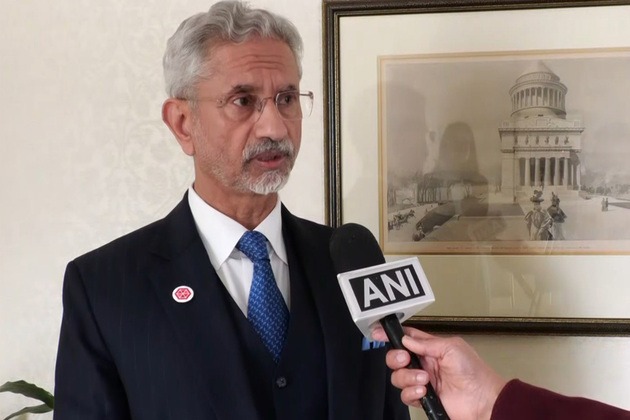
External Affairs Minister S. Jaishankar has finally provided a reality check on the blockbuster India-US trade deal announced by President Trump. While the US President claimed the deal was “effective immediately,” Jaishankar clarified that technical detailing is still active. Therefore, the grand announcement on Truth Social may be ahead of the actual legal paperwork.
Also Read | Imran Khan and Bushra Bibi Sentenced to 17 Years in Jail
The Reality of the “Effective Immediately” Trade Pact
The announcement on Monday night sent markets soaring as Trump pledged to slash reciprocal tariffs on Indian goods to 18%. This is a massive drop from the 50% punitive rates imposed in August 2025. Now, Indian textiles, leather, and jewelry exporters have a significant competitive edge over regional rivals like Pakistan and Vietnam.
Meanwhile, Jaishankar met with US Secretary of State Marco Rubio and Treasury Secretary Scott Bessent in Washington. He noted that while the Prime Minister and the President have set the framework, Commerce Minister Piyush Goyal is handling the “direct engagement.” In fact, the final legal text is still awaited by both sides.
The $500 Billion Question: Trump’s Claims vs. Indian Silence
President Trump claimed India committed to purchasing $500 billion in American goods and zeroing out its own tariffs. Still, Prime Minister Modi’s official statements have remained silent on these specific figures. US Trade Representative Jamieson Greer recently stated that India will drop tariffs to zero on 98-99% of industrial goods.
Next, the focus shifts to the “Buy American” commitment. Trump expects India to purchase massive amounts of US energy, technology, and coal. Later, Goyal assured Parliament that India’s agricultural and dairy sectors remain “fully protected.” This suggests that while industrial tariffs may hit zero, the dining table remains a red line for New Delhi.
Also Read | Imran Khan and Bushra Bibi Sentenced to 17 Years in Jail
Technical Barriers and the Move Away from Russian Oil
One of the biggest shifts involves India’s energy basket. Reports suggest India will halt Russian oil purchases in exchange for US and Venezuelan crude. As a result, Washington has scrapped the 25% penalty tax linked to India’s ties with Moscow.
In fact, USTR Jamieson Greer highlighted that the deal also addresses “technical barriers to trade.” These include standards for medical devices and chemicals that have long blocked US access to the Indian market. Therefore, the deal isn’t just about taxes; it’s about rewriting the rulebook for how goods cross the border.
Reality Check: The “Papering” Paradox
The official narrative celebrates a “Mega Partnership,” but the fine print remains invisible. How can a deal be “effective immediately” when the EAM says detailing is “underway”? In fact, this looks like a political victory lap taken before the finish line. Therefore, the “18% tariff” might be active, but the reciprocal “zero tariff” on US goods could face months of bureaucratic delays. Furthermore, the $500 billion purchase claim seems mathematically impossible given India’s current import capacity.
Also Read | Imran Khan and Bushra Bibi Sentenced to 17 Years in Jail
The Loopholes: Gray Areas in the $500 Billion Commitment
The deal contains several strategic “escape hatches” for both nations.
-
The Agriculture Shield: By keeping dairy and grain out of the “zero tariff” zone, India protects its 140 crore citizens but leaves US farm lobbyists unsatisfied.
-
The Energy Diversification: India says it will prioritize “market conditions” for oil. This means if US oil becomes too expensive, New Delhi might look for new loopholes.
-
The “Virtually Everything” Clause: US officials say 99% of industrial goods will hit zero tariffs. However, that 1% could include high-value sensitive electronics or defense tech.
What This Means for You
If you are an exporter, the 18% tariff provides an immediate boost to your margins. You should prepare for increased competition from US tech and machinery entering the Indian market at zero duty. Therefore, now is the time to audit your supply chains for “Make in India” compliance to stay competitive.
Next Steps
Watch for the Indo-US joint statement expected in the coming days for the final legal contours. You should also monitor Parliament sessions where the Opposition is demanding a full disclosure of the “sell-out” claims regarding farmers. Finally, check for updates on the new 18% tariff rates through the CBIC portal.
Also Read | Imran Khan and Bushra Bibi Sentenced to 17 Years in Jail
End…