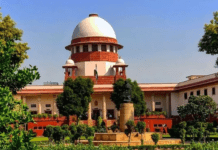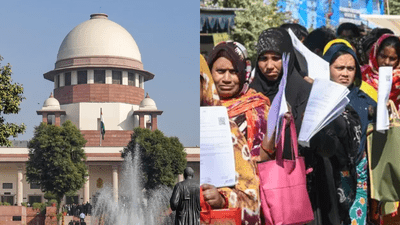
The Supreme Court of India issued a blistering condemnation of the West Bengal government on Thursday, April 2, 2026, following a harrowing nine-hour siege of seven judicial officers in Malda. The officers, including three women and a five-year-old child, were held captive by protesters during an electoral roll revision exercise.
Chief Justice of India (CJI) Surya Kant, who personally monitored the crisis until 2 AM, characterized the incident as a “pre-planned and motivated” strike against the judiciary and the democratic process.
Also Read | Imran Khan and Bushra Bibi Sentenced to 17 Years in Jail
1. “The Most Polarized State”
In a sharp critique of the political atmosphere in West Bengal, the CJI remarked on the pervasive nature of partisanship in the state’s administration.
“Unfortunately, in your state, everyone speaks politically… It’s the most polarized state.”
2. A “Calculated and Motivated” Attempt
The bench rejected the notion that the gherao was a spontaneous public outburst. Instead, the court viewed it as a strategic move to halt the Special Intensive Revision (SIR) of electoral rolls.
“It appeared to be a calculated, motivated move to halt the ongoing adjudication process… a brazen attempt to intimidate judicial officers.”
3. “Criminal Failure” of Administration
The court did not mince words regarding the lack of protection provided to the officers, who were allegedly attacked with stones and sticks even as they were being evacuated after midnight.
Also Read | Imran Khan and Bushra Bibi Sentenced to 17 Years in Jail
“We will not allow anyone to take the law into their own hands to create psychological fear… The response of the Chief Secretary, DGP, and DM is highly deplorable.”
4. “Abdication of Duty” and the 5-Year-Old Child
The CJI expressed personal outrage over the humanitarian conditions during the siege, noting that even basic necessities were denied to a minor present at the scene.
“Till 11 o’clock your Collector was not there. I had to verbally instruct very harsh orders in the night. A 5-year-old child was not allowed food and water!”
5. No Response Despite High Court Alerts
The bench noted a total breakdown in the chain of command, as state officials ignored repeated communications from the Calcutta High Court for hours.
Also Read | Imran Khan and Bushra Bibi Sentenced to 17 Years in Jail
“The gherao began at 3:30 PM, but no action was taken till late evening… forcing the High Court Chief Justice to directly contact the DGP and Home Secretary.”
Supreme Court Mandate: Central Forces Deployed
To prevent further intimidation, the apex court has stripped the state police of their protective role in this matter:
Deployment: The Election Commission of India (ECI) must immediately deploy Central Armed Police Forces (CAPF) to protect judicial officers and their residences.
Security Assessment: Authorities must evaluate threats to the families of the involved officers.
Summons: The Chief Secretary, DGP, District Magistrate, and SSP have been slapped with a show-cause notice and ordered to appear personally before the court on April 6, 2026.
Investigative Insight: The “Electoral Roll” Trigger
The Malda siege is a violent symptom of the high stakes surrounding the 2026 West Bengal Assembly Elections. Protesters claimed “voter deletions” were being done unfairly, but the judicial officers were merely performing a “solemn duty” of adjudication. By targeting these officers, the mob wasn’t just protesting; they were attempting to collapse the neutrality of the revision process. The Supreme Court’s decision to bring in central forces before the polls officially begin suggests that the judiciary no longer trusts the state’s “neutrality” in maintaining order during sensitive electoral procedures.
Also Read | Imran Khan and Bushra Bibi Sentenced to 17 Years in Jail
End…..