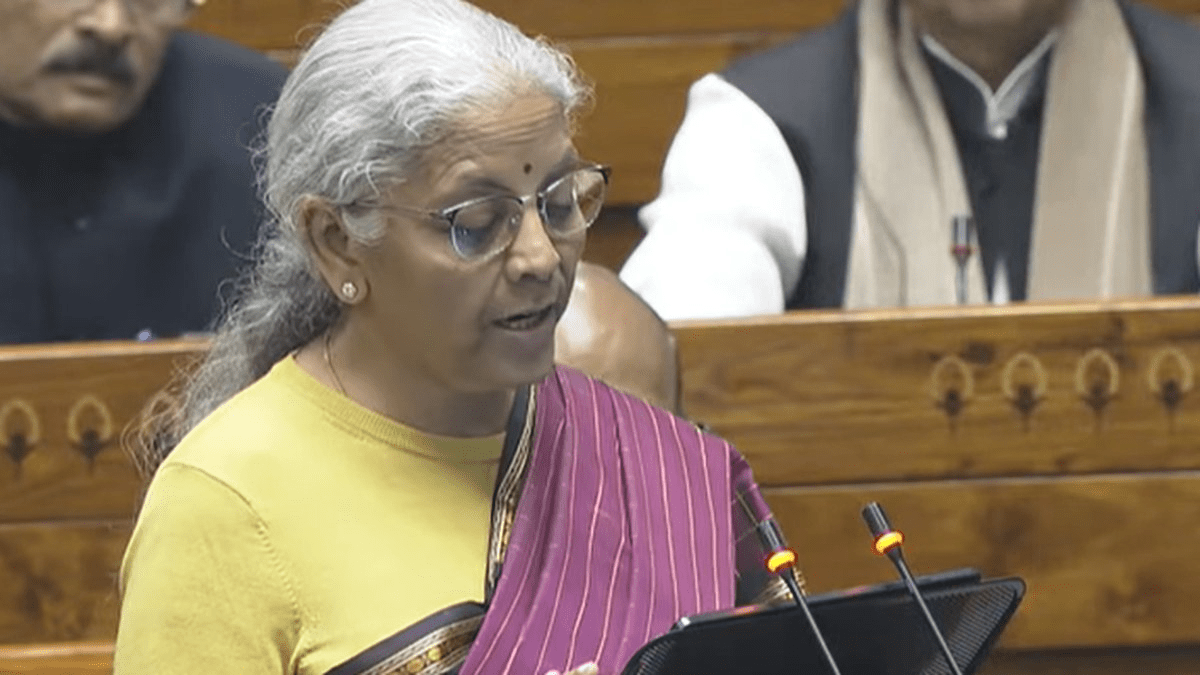
Now the Indian Parliament is bracing for a busy legislative session. Finance Minister Nirmala Sitharaman is set to table two major bills in the Lok Sabha today, Monday, March 23, 2026. These include the Finance Bill, 2026 and the Corporate Laws (Amendment) Bill, 2026. Therefore, the government aims to finalize its financial proposals for the upcoming fiscal year. This move marks a critical step in executing India’s latest budgetary and economic roadmap.
Also Read | Imran Khan and Bushra Bibi Sentenced to 17 Years in Jail
At a Glance:
-
Key Bills: Finance Bill 2026 and Corporate Laws (Amendment) Bill.
-
Goal: To implement the 2026-2027 fiscal year financial proposals.
-
Major Reforms: Amendments to the Companies Act, 2013 and LLP Act, 2008.
-
Insolvency News: New IBC Amendment Bill to speed up corporate resolutions.
-
Key Feature: Introduction of a dedicated cross-border insolvency mechanism.
Table of Contents:
The Finance Bill 2026: Economic Impact
Now the Finance Bill is the primary tool for tax and spending changes. It gives legal effect to the government’s tax proposals for the 2026-2027 fiscal. Therefore, the Minister will move for its consideration and passage later today. This bill is essential for the smooth functioning of the national economy.
So what does this mean for the public? First, it sets the final tax rates for individuals and corporations. Next, it defines the customs and excise duties for the year. Thus, the passage of this bill ensures that the government can collect the revenue it needs.
The budget becomes law today.
Also Read | Imran Khan and Bushra Bibi Sentenced to 17 Years in Jail
Reforming the Companies and LLP Acts
Now Sitharaman is also focusing on corporate ease of doing business. The Corporate Laws (Amendment) Bill, 2026 targets two major pieces of legislation. Specifically, it seeks changes to the Limited Liability Partnership (LLP) Act, 2008 and the Companies Act, 2013.
So the goal is to modernize corporate governance. Currently, the Companies Act governs how businesses are born and dissolved. Meanwhile, the LLP Act offers a flexible structure for small partners. Therefore, these updates will likely simplify compliance and disclosure rules for millions of firms.
Flexibility is the new corporate standard.
New Bankruptcy Rules: The IBC Amendment
Now the Union Cabinet recently cleared the way for a major insolvency update. The IBC Amendment Bill follows the recommendations of a Select Parliamentary Committee. This committee was led by BJP MP Baijayant Panda.
So why is this change happening now? Currently, the bankruptcy system faces massive delays in resolution. Therefore, the new bill proposes much stricter timelines for case disposal. Thus, lenders can recover their money faster than before.
Time is literally money in the credit market.
Also Read | Imran Khan and Bushra Bibi Sentenced to 17 Years in Jail
Cross-Border Insolvency and Global Creditors
Now the proposed amendments solve a major gap in the current law. The committee suggested a dedicated framework for cross-border insolvency. This is vital for managing distressed companies with international assets.
So what happens if a company has foreign creditors? Currently, the legal path is often confusing and slow. Therefore, the new mechanism will help manage foreign debts more efficiently. Thus, India is aligning its bankruptcy laws with global standards.
This is a big win for international investors.
The Baijayant Panda Committee Report
Finally, we must look at the source of these reforms. The Baijayant Panda committee submitted its report in December 2025. It focused heavily on empowering the Committee of Creditors (CoC).
So the committee wants lenders to have more decisive powers. They believe that empowering those who provide the capital will lead to faster resolutions. Therefore, these legislative updates are a direct result of that comprehensive review.
The government is moving fast to implement them.
Also Read | Imran Khan and Bushra Bibi Sentenced to 17 Years in Jail
Common Questions Answered
What is the Finance Bill 2026? It is a bill presented annually to give legal effect to the government’s tax and financial proposals for the new fiscal year.
Who is Nirmala Sitharaman? She is the current Finance Minister of India, responsible for the nation’s economic and corporate policies.
What is the LLP Act? The Limited Liability Partnership Act provides a business structure where partners have limited personal liability for the firm’s debts.
How will the new IBC rules help lenders? The amendments set stricter deadlines and give more power to creditors to settle bankruptcy cases quickly.
What is cross-border insolvency? it is a legal framework used when a bankrupt company has assets or creditors located in more than one country.
Also Read | Imran Khan and Bushra Bibi Sentenced to 17 Years in Jail
End…..