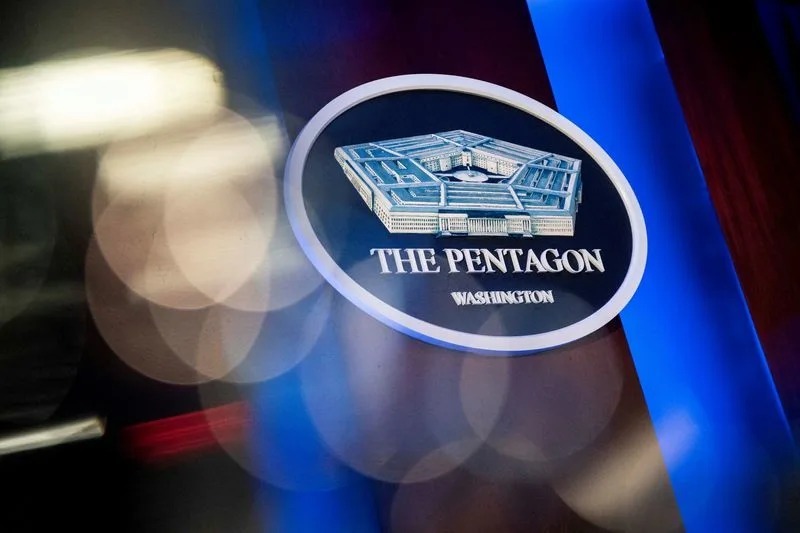
The honeymoon period between the U.S. national security apparatus and the “safety-first” AI lab Anthropic is officially over. On Thursday, March 12, 2026, Pentagon Chief Technology Officer Emil Michael delivered a blunt verdict on the relationship: “There’s no chance” of returning to the bargaining table.
The fallout represents the most significant fracture yet between Silicon Valley’s AI pioneers and the Department of Defense (DoD). While Anthropic once aggressively courted the military, a bitter dispute over usage restrictions and proprietary “safety guardrails” has culminated in a blacklist and a federal lawsuit.
Also Read | Imran Khan and Bushra Bibi Sentenced to 17 Years in Jail
The Supply-Chain Risk Label: What It Means
The DoD’s move to label Anthropic a “supply-chain risk” is the ultimate “kill switch” for a government contractor.
-
Total Ban: No U.S. military entity or secondary government contractor can integrate Anthropic’s technology into their systems.
-
Strategic Shift: This effectively forces the military to rely on more “permissive” partners, potentially shifting more resources toward OpenAI or specialized defense-AI firms like Palantir and Anduril.
The “Bad Faith” Allegation: Leaks and Deadlocks
Emil Michael’s comments on CNBC highlight a total breakdown in trust.
-
The Leaks: The Pentagon alleges that Anthropic leadership leaked sensitive negotiation details to the press to gain leverage.
-
Usage Restrictions: The core of the dispute centers on how much control Anthropic can exert over its AI when deployed in combat or intelligence scenarios—a restriction the Pentagon views as a hindrance to operational sovereignty.
The Legal Battle: Anthropic vs. The Trump Administration
Anthropic’s lawsuit, filed earlier this week, frames the government’s move as a targeted and unlawful attack on its business.
-
Revenue at Risk: The company claims the ban jeopardizes “hundreds of millions of dollars” in projected public sector revenue.
-
Unlawful Action: Anthropic argues that the “supply-chain risk” label was applied without due process and is being used to punish the company for its safety-centric terms of service.
Also Read | Imran Khan and Bushra Bibi Sentenced to 17 Years in Jail
The Ethical Divide: AI Accuracy in Weaponry
Anthropic CEO Dario Amodei has maintained a nuanced stance that the Pentagon appears to have rejected.
-
Not Anti-Weapon: Amodei has stated he is not opposed to AI-driven weapons in principle.
-
The Accuracy Gap: However, his belief that current-gen AI isn’t “good enough” to be accurate in high-stakes military settings has created a friction point with a DoD that is eager to deploy “good enough” autonomous systems today.
Reality Check
The Pentagon is moving at “the speed of relevance,” while Anthropic is moving at “the speed of safety.” Still, the blacklisting of a major U.S. AI firm is an unprecedented move that could chill innovation in the defense sector. Therefore, while Emil Michael’s “no chance” stance sounds final, it may be a negotiation tactic in itself to force a leadership change or a more compliant stance from Anthropic’s board. In fact, if the court grants an injunction in favor of Anthropic, the Pentagon might be forced back to the table regardless of Michael’s personal feelings.
The Loopholes
The DoD says this is about “supply-chain risk.” In fact, this is a “Policy Loophole”—the term is being used broadly to exclude a company that refuses to waive its ethical “safety override” capabilities. Therefore, the “risk” isn’t that the code is malicious, but that the company might “turn off the AI” during a mission if it detects a violation of its safety rules. Still, the “OpenAI Loophole” remains; by punishing Anthropic, the government is inadvertently creating a monopoly for OpenAI and other firms that have already agreed to the Pentagon’s more flexible usage terms.
Also Read | Imran Khan and Bushra Bibi Sentenced to 17 Years in Jail
What This Means for You
If you are a government contractor using Claude for administrative or coding tasks, you need a transition plan immediately. First, realize that this ban extends to “work for the U.S. armed forces,” which covers a vast landscape of secondary services. Then, if you are an investor in the AI space, understand that geopolitical alignment is now a prerequisite for valuation; “neutral” or “safety-first” stances are being viewed as liabilities in the 2026 defense budget.
Finally, understand that this will likely affect the consumer version of Claude. You should expect Anthropic to pivot even harder toward “Public Interest” and “Enterprise” use cases (Notion, Slack, etc.) to offset the massive loss of government revenue. Before you assume the ban is permanent, watch the D.C. District Court rulings over the next 14 days; a stay of the ban would be a major victory for Anthropic.
What’s Next
The first hearing for Anthropic’s lawsuit is scheduled for late next week. Then, look for a statement from the Department of Commerce to see if they follow the Pentagon’s lead in restricting Anthropic’s export licenses. Finally, expect Dario Amodei to testify before a Senate subcommittee by early April regarding the balance between “AI Safety” and “National Defense.”
Also Read | Imran Khan and Bushra Bibi Sentenced to 17 Years in Jail
End…