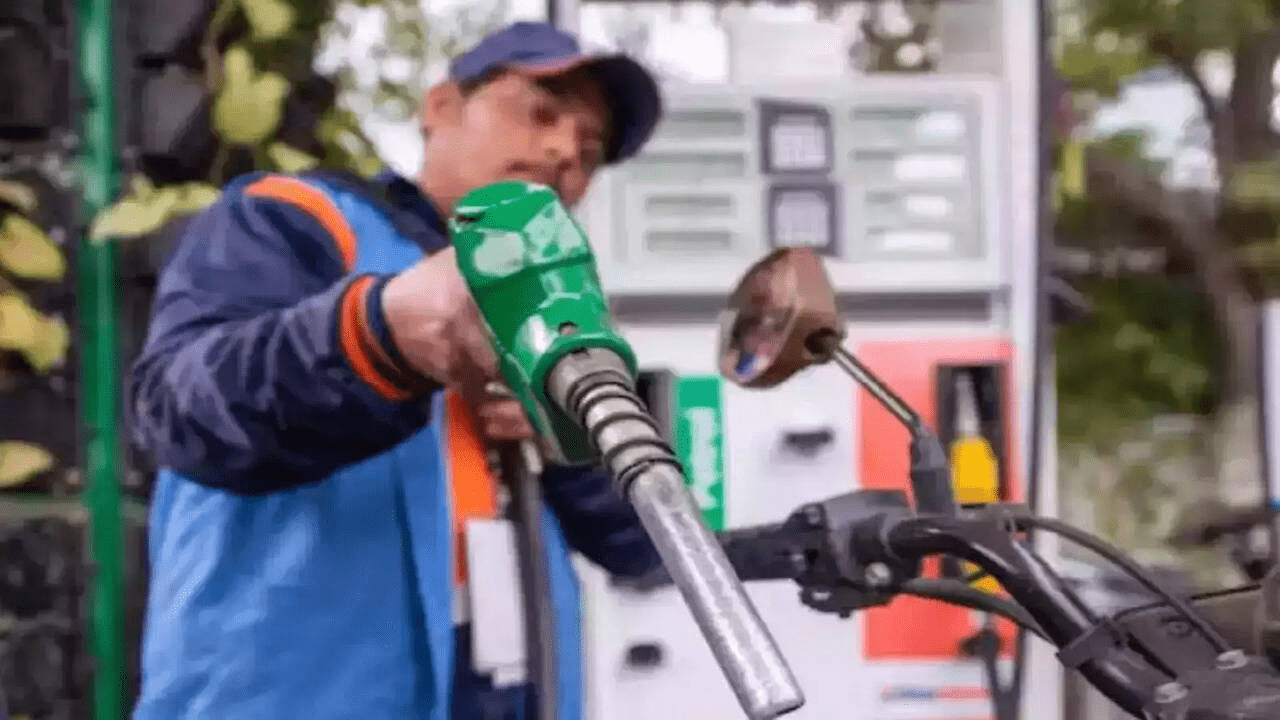
Now the Indian government and state-run oil giants are moving swiftly to quell rising public anxiety. On Wednesday, March 25, 2026, Bharat Petroleum (BPCL), Indian Oil (IOCL), and Hindustan Petroleum (HPCL) issued joint reassurances that there is no shortage of petrol or diesel across the country. Therefore, despite viral social media rumors sparked by the ongoing Iran war and tensions in the Strait of Hormuz, India’s supply chains remain fully operational. Currently, long queues have been reported in cities like Ahmedabad and Hyderabad due to “panic buying.” Thus, authorities are urging citizens to stay calm, as artificial scarcity is the only real threat to local pump availability.
Also Read | Imran Khan and Bushra Bibi Sentenced to 17 Years in Jail
At a Glance:
-
The Verdict: Scarcity reports are “completely unfounded”; crude and refined reserves are at adequate levels.
-
Panic Zones: Long queues witnessed in Ahmedabad, Surat, Rajkot, and Hyderabad.
-
The Catalyst: Geopolitical volatility in West Asia and fears of a blockade at the Strait of Hormuz.
-
Government Stance: Union Minister Pralhad Joshi confirms not a single petrol pump is dry and criticizes opposition “fear-mongering.”
-
Official Advice: Citizens should avoid unnecessary bulk purchases to prevent straining local distribution.
In This Article:
-
Debunking the Scarcity Myth: Official Statements from IOCL & BPCL
-
The West Asia Factor: Why Global Tensions Sparked Local Panic
-
“LPG vs. LOP”: Minister Pralhad Joshi Addresses the Crisis
-
The Danger of Panic Buying: How Rumors Create Artificial Shortage
-
Frequently Asked Questions (FAQs)
Debunking the Scarcity Myth: Official Statements from IOCL & BPCL
Now the nation’s top fuel retailers are working overtime to maintain transparency. Because viral messages suggested a nationwide dry-out, companies like BPCL have clarified that India maintains significant reserves of petrol, diesel, and aviation turbine fuel.
First, Indian Oil (IOCL) issued a statement confirming that fuel is available at all locations to support everyday travel needs. Next, BPCL emphasized that their distribution networks are functioning smoothly without any interruption. Thus, the current “scarcity” in some areas is purely a result of sudden, massive demand spikes rather than a lack of actual stock. Currently, the supply chain is more than capable of meeting normal consumption levels.
Also Read | Imran Khan and Bushra Bibi Sentenced to 17 Years in Jail
The West Asia Factor: Why Global Tensions Sparked Local Panic
Now the root of the anxiety lies far beyond India’s borders. Because the Iran war involves major powers like the US and Israel, there are growing fears regarding the Strait of Hormuz—a critical global chokepoint for oil transit.
First, reports of potential disruptions in this route have added to global market uncertainty. Next, even though India’s domestic supply remains unaffected, the psychological impact has driven consumers to rush to the pumps. Thus, while the global energy market is indeed witnessing volatility, India’s strategic petroleum reserves are designed to buffer against exactly this type of geopolitical shock. So, for the average commuter, there is no immediate reason to change refueling habits.
“LPG vs. LOP”: Minister Pralhad Joshi Addresses the Crisis
Now the political dimension of the fuel scare has reached the national stage. Speaking at the NDTV India Sustainability Mission 2.0, Union Minister Pralhad Joshi dismissed the concerns as politically motivated.
First, the Minister took a sharp swipe at the opposition, famously stating, “India does not have an LPG problem, India has an LoP (Leader of Opposition) problem.” Next, he highlighted that while neighbors are facing genuine energy crises, India has managed to keep every single petrol pump operational. Thus, the government is framing the current panic as a manufactured narrative. Meanwhile, he did acknowledge minor “steps being taken” regarding LPG to ensure long-term stability.
Also Read | Imran Khan and Bushra Bibi Sentenced to 17 Years in Jail
The Danger of Panic Buying: How Rumors Create Artificial Shortage
Now authorities are warning that the greatest threat to fuel availability is the public’s own reaction. Because fuel stations operate on a “just-in-time” delivery model, a sudden 500% increase in customers can cause a station to run dry before the next tanker arrives.
First, this creates an “artificial shortage” that validates the very rumors that started the panic. Next, cities in Gujarat have already seen outlets briefly run dry due to this exact phenomenon. Thus, the Ministry of Petroleum is urging citizens to “stay informed and avoid panic buying.” Currently, the goal is to stabilize demand so that the distribution network can catch up with the localized depletion caused by the rush.
Frequently Asked Questions (FAQs)
Is there a genuine petrol or diesel shortage in India? No. The government and all major oil companies (IOCL, BPCL, HPCL) have confirmed that supply chains are fully operational and reserves are adequate.
Why are there long queues at petrol pumps in some cities? Queues in cities like Hyderabad and Ahmedabad are being driven by “panic buying” triggered by viral social media rumors about the West Asia conflict.
How does the Iran war affect India’s fuel? While the war creates global price volatility and concerns over the Strait of Hormuz, India’s current domestic stock and strategic reserves remain unaffected.
What did Minister Pralhad Joshi say about the fuel crisis? He dismissed scarcity claims, stating that not a single pump is dry in India and attributed the rumors to political “fear-mongering.”
Should I stock up on fuel right now? No. Authorities recommend maintaining your normal refueling routine. Bulk “panic buying” actually creates the very shortages people are afraid of.
Also Read | Imran Khan and Bushra Bibi Sentenced to 17 Years in Jail
End….