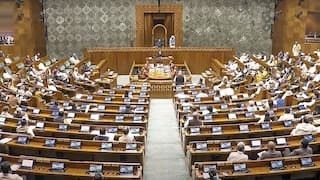
The Budget Session of 2026 is heading toward a constitutional flashpoint. On Monday, March 9, the Lok Sabha will undertake the rare and gravity-laden task of debating a motion for the removal of its own Speaker, Om Birla. The move, initiated by Congress MP R. Mallu Ravi and backed by over 100 opposition members, marks a significant escalation in the ongoing friction between the treasury and opposition benches.
With the Congress issuing a three-line whip on Friday, it is clear the party intends to turn this into a major political referendum on the impartiality of the Chair.
Also Read | Imran Khan and Bushra Bibi Sentenced to 17 Years in Jail
The Resolution: Why the Opposition Wants Birla Out
The notice for removal cites several specific instances where the Speaker allegedly failed to uphold the neutrality of his office:
-
Silencing the LoP: Allegations that Leader of Opposition Rahul Gandhi and other senior leaders were not allowed to speak during the motion of thanks to the President’s address.
-
Mass Suspensions: The suspension of eight opposition MPs is being characterized as an attempt to stifle dissent rather than maintain order.
-
“Partisan Behavior”: Opposition leaders like Gaurav Gogoi and Jairam Ramesh have claimed the Chair has consistently favored the government’s narrative.
The Procedural Shift: A Speaker Among the Benches
According to parliamentary rules, when a resolution for the removal of the Speaker is under consideration:
-
Om Birla cannot preside: He will vacate the Chair and sit in the House like any other member.
-
Right to Speak: He has the right to speak in his own defense and take part in the proceedings.
-
Voting: He can vote in the first instance on the resolution but cannot cast a “casting vote” in case of a tie.
Cracks in the I.N.D.I.A. Bloc: The TMC Absence
While the motion boasts support from the SP and DMK, the Trinamool Congress (TMC) has opted out.
-
The Refusal: TMC MPs did not sign the notice, indicating a tactical divergence within the broader opposition alliance.
-
Jairam Ramesh’s Statement: The Congress General Secretary confirmed that “all opposition parties, other than the Trinamool Congress, have signed.”
Also Read | Imran Khan and Bushra Bibi Sentenced to 17 Years in Jail
The West Asia Demand: Beyond the Speaker Row
Amid the domestic political drama, the Congress is also pushing for international accountability.
-
The Conflict: With the US-Israel-Iran war intensifying, the party has demanded a full-fledged short-duration discussion in Parliament.
-
The Stance: Jairam Ramesh asserted that a mere suo motu (on its own) statement from the government is insufficient given the potential impact on India’s energy security and diaspora.
Reality Check
A motion to remove the Speaker is historically difficult to pass, as it requires a majority of “all the then members” of the Lok Sabha. Still, the goal here is likely symbolic and narrative-driven rather than a mathematical victory. Therefore, while Om Birla is expected to survive the vote, the debate itself will be used by the opposition to paint the government as “undemocratic.” In fact, the TMC’s refusal to sign suggests that the opposition is not as unified as the “118 signatures” would imply.
The Loopholes
The Congress has issued a whip. In fact, this is a “Constitutional Loophole”—while the whip ensures presence, the Speaker’s removal requires an absolute majority. Therefore, unless there is a massive cross-voting event from the NDA allies (which is highly unlikely in March 2026), the motion is destined for defeat. Still, the “Partisan Loophole”—the opposition’s focus on specific instances of “silencing”—creates a public record that could be used to challenge future rulings in the Supreme Court under the “basic structure” doctrine.
Also Read | Imran Khan and Bushra Bibi Sentenced to 17 Years in Jail
What This Means for You
If you follow parliamentary proceedings, prepare for a week of “Adjournments” and high drama. First, realize that the standard business of the Budget Session (discussing allocations and bills) will likely be paralyzed by this motion. Then, if you are interested in foreign policy, understand that the West Asia discussion will reveal India’s true diplomatic leaning in the current global war.
Finally, understand that voting is public. You should watch how regional parties (like the BJD or YSRCP) vote, as their stance will signal their future alliance intentions for the 2029 general elections. Before you assume the Speaker is “safe,” remember that this level of public scrutiny often forces a change in the “tone” of the House for the remainder of the session.
What’s Next
The motion will be moved at 11:00 AM on Monday, March 9. Then, look for the Deputy Speaker (or a member from the Panel of Chairpersons) to preside over the debate. Finally, expect the voting results by Monday evening, which will dictate the temperature of Parliament for the rest of the week.
Also Read | Imran Khan and Bushra Bibi Sentenced to 17 Years in Jail
End…