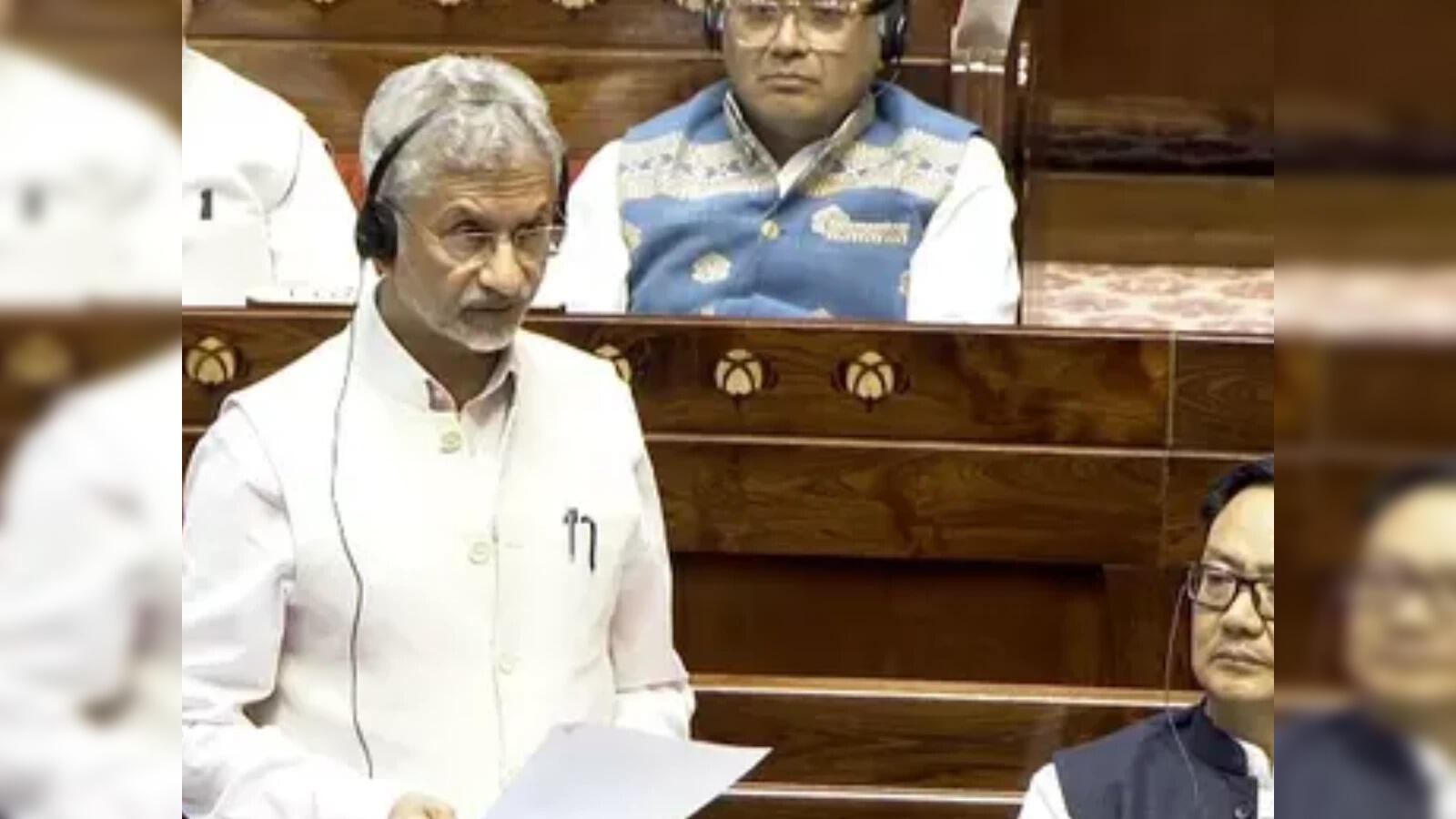
India is navigating a high-stakes diplomatic tightrope in the Middle East. On Monday, March 9, 2026, External Affairs Minister S. Jaishankar stood before both Houses of Parliament to defend the government’s response to the war. Addressing criticisms of a “tilt” toward the US-Israel alliance, Jaishankar explained that the domestic situation in Iran has made leadership-level contact nearly impossible, even as India maintains a “humane” line with Tehran through maritime assistance.
While the statement was exhaustive on logistics and diaspora safety, its silences—particularly regarding the assassination of the Iranian Supreme Leader—spoke volumes about New Delhi’s cautious strategic positioning.
Also Read | Imran Khan and Bushra Bibi Sentenced to 17 Years in Jail
The Diplomatic Void: Why No Call to Tehran?
Since the conflict erupted on February 28, PM Modi has held a flurry of calls with Gulf monarchs and the Israeli Prime Minister.
-
The Omission: Conspicuously absent from the call list is the Iranian President.
-
The Explanation: Jaishankar noted that “contacts with Iran at the leadership level are obviously difficult at this time,” likely referring to the internal chaos following the March 1 assassination of Ayatollah Ali Khamenei.
-
Channel of Communication: Contact has been maintained at the Foreign Minister level, with Jaishankar speaking to Abbas Araghchi on Feb 28 and March 5.
IRIS Lavan: The Humanitarian Exception
While the US has been actively sinking Iranian vessels (such as the IRIS Dena), India has chosen a different path for the ships that reached its waters.
-
The Kochi Docking: The IRIS Lavan arrived in Kochi on March 4 after a request for help was cleared on March 1.
-
The Status: The crew is currently housed in Indian naval facilities. Jaishankar framed this not as a military alliance, but as a “humane gesture” intended to de-escalate regional friction.
Repatriation: 67,000 Indians Return Home
The scale of the “repatriation” effort is unprecedented for a non-state-led evacuation.
-
Volume: As of March 8, 67,000 Indians have returned from the Gulf.
-
Transit Hubs: Diplomats are working 24/7 in Dubai, Doha, and Abu Dhabi to facilitate border crossings for those whose direct flights were cancelled.
Also Read | Imran Khan and Bushra Bibi Sentenced to 17 Years in Jail
Economic Fallout: $200 Billion at Risk
Jaishankar warned that the conflict is no longer just a “security issue” but a direct threat to India’s prosperity.
-
Trade Value: Annual trade with the Gulf stands at $200 billion.
-
Merchant Shipping: India has already lost two mariners to attacks on merchant vessels, with one still missing. This highlights the vulnerability of the Indian diaspora, which constitutes a large proportion of global shipping crews.
Reality Check
Jaishankar’s statement was a masterclass in “Strategic Ambiguity.” By refusing to name Khamenei or condemn the assassination, India is avoiding a rift with Washington while using the “humane” treatment of the IRIS Lavan to keep its foot in the door in Tehran. Still, the “Difficulty of Contact” is a convenient diplomatic shield; in reality, India is likely waiting for the dust to settle in Tehran’s new leadership structure (under Mojtaba Khamenei) before making a formal move.
The Loopholes
The EAM says 67,000 have returned via “commercial flights.” In fact, this is a “Non-Evacuation Loophole”—the government is not currently footing the bill for “Operation Ganga” style rescue flights. Therefore, the returnees are those who can afford the current inflated ticket prices. Still, the “Sovereignty Loophole” remains; India has called for “respecting territorial integrity,” but by not specifically naming the US-Israel strikes as a violation, it leaves the door open for continued military cooperation with the West.
Also Read | Imran Khan and Bushra Bibi Sentenced to 17 Years in Jail
What This Means for You
If you have family in the Gulf, monitor the “Oman-Saudi” border crossings. First, realize that if airspaces close again, the land routes Jaishankar mentioned are your primary escape path. Then, if you are a traveler, understand that transit through Dubai and Doha is still “fragile”; you should keep a 24-hour buffer in your travel plans.
Finally, understand that maritime careers are now “High Risk.” You should check if your employer has updated their “War Zone” insurance for crews in the Persian Gulf. Before you assume the IRIS Lavan docking is a sign of peace, remember that Kochi is under high alert, and the presence of the Iranian crew is a significant security challenge for local authorities.
What’s Next
The Delhi High Court (which also met on March 9) has stayed remarks against CBI officials in the unrelated Excise Policy case, clearing the domestic news cycle for more West Asia focus. Then, look for a response from the Iranian Embassy in Delhi regarding Jaishankar’s “difficulty” claims. Finally, expect PM Modi to finally hold a call with the Iranian leadership once the new Supreme Leader’s appointment is officially consolidated later this week.
Also Read | Imran Khan and Bushra Bibi Sentenced to 17 Years in Jail