

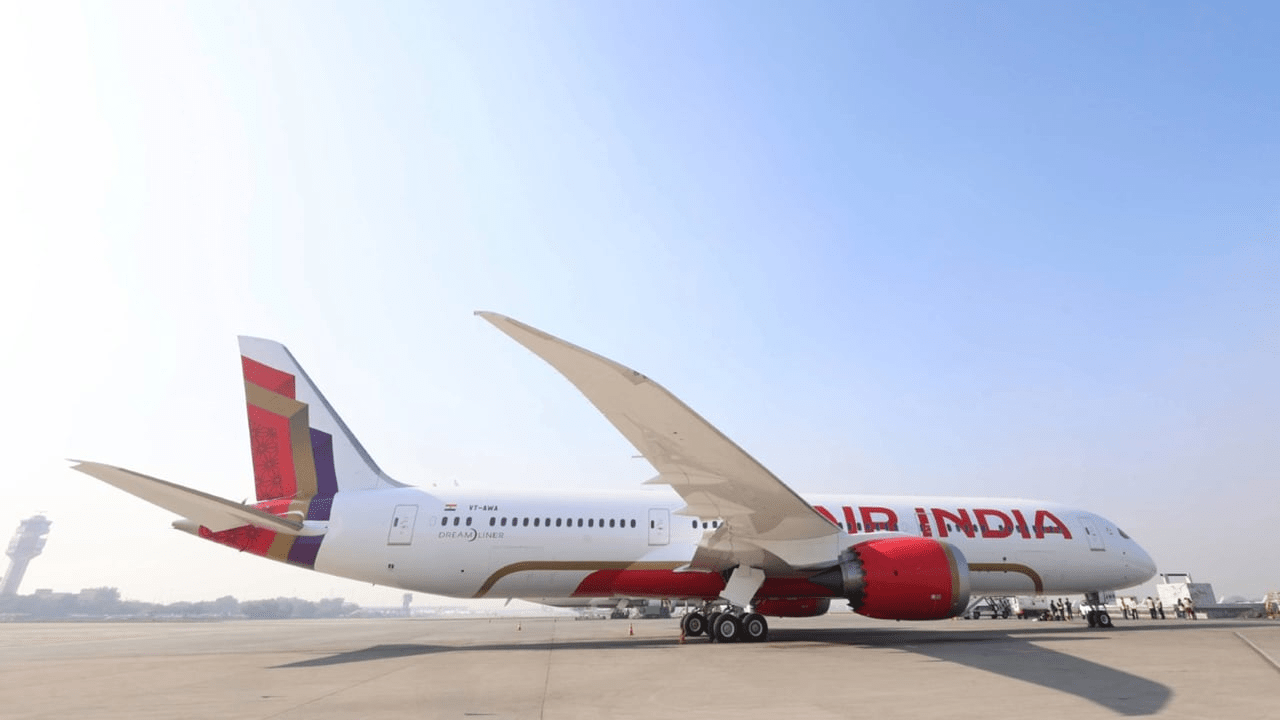
In a staggering blow to the Indian aviation sector, Aviation Turbine Fuel (ATF) prices have more than doubled overnight, hitting a historic high of ₹2.07 lakh per kilolitre on Wednesday, April 1, 2026. This marks the first time in India’s history that jet fuel has crossed the ₹2-lakh threshold, driven by the catastrophic energy supply chain disruptions caused by the West Asia crisis.
With ATF accounting for 30% to 40% of an airline’s total operating costs, passengers are expected to face an immediate and sharp increase in ticket prices.
Also Read | Imran Khan and Bushra Bibi Sentenced to 17 Years in Jail
The Massive Price Leap: Delhi Statistics
The monthly revision by Oil Marketing Companies (OMCs) reflects the full impact of the global oil shock following the blockade of the Strait of Hormuz.
-
Previous Price (March 1): ₹96,638.14 per kl
-
New Price (April 1): ₹2,07,341.22 per kl
-
Percentage Increase: ~114% (Month-on-Month)
-
Trend: This follows a relatively modest 5.7% hike in March, highlighting the sudden escalation in regional hostilities over the last 30 days.
Why Airfares Will Spike Immediately
Aviation industry insiders suggest that the “buffer” for airlines has completely evaporated. Several factors are converging to make air travel significantly more expensive:
Also Read | Imran Khan and Bushra Bibi Sentenced to 17 Years in Jail
-
Deregulated Pricing: On March 23, 2026, the Centre officially removed the “cap and floor” on domestic airfares. This gives airlines total freedom to hike prices in response to the ₹2.07 lakh fuel bill.
-
The “Hormuz Chokehold”: Since Iran blocked the Strait of Hormuz in retaliation to the February 28 air strikes, global crude supply has plummeted, forcing India to pay a massive premium for non-Middle Eastern oil.
-
Operational Survival: Major carriers including IndiGo, Air India, and Akasa Air are reportedly meeting today to discuss “fuel surcharges” that could increase base fares by 40–60% for summer bookings.
The Geopolitical Trigger
The crisis stems directly from the US-Israel air strikes launched in late February. In response, Tehran’s closure of the 21-mile-wide Strait of Hormuz—through which 20% of the world’s oil flows—has effectively “war-taxed” every flight taking off in the subcontinent.
Investigative Insight: The “Open Skies” Trap
The timing of the government’s decision to remove airfare caps on March 23 now appears highly precarious. While intended to foster a “market-driven” recovery, it has inadvertently left passengers vulnerable to predatory pricing. With jet fuel prices doubling, airlines can now implement “dynamic pricing” without any upper limit. Furthermore, while the Aviation Minister (Ram Mohan Naidu) has appealed to states to cut VAT on ATF, most states are unlikely to comply as they also face massive revenue deficits due to the same energy crisis. Travelers should expect “Last-Minute” fares on the Delhi-Mumbai sector to potentially touch ₹25,000–₹35,000 as the April 1 fuel rates take effect.
Also Read | Imran Khan and Bushra Bibi Sentenced to 17 Years in Jail
End….

