

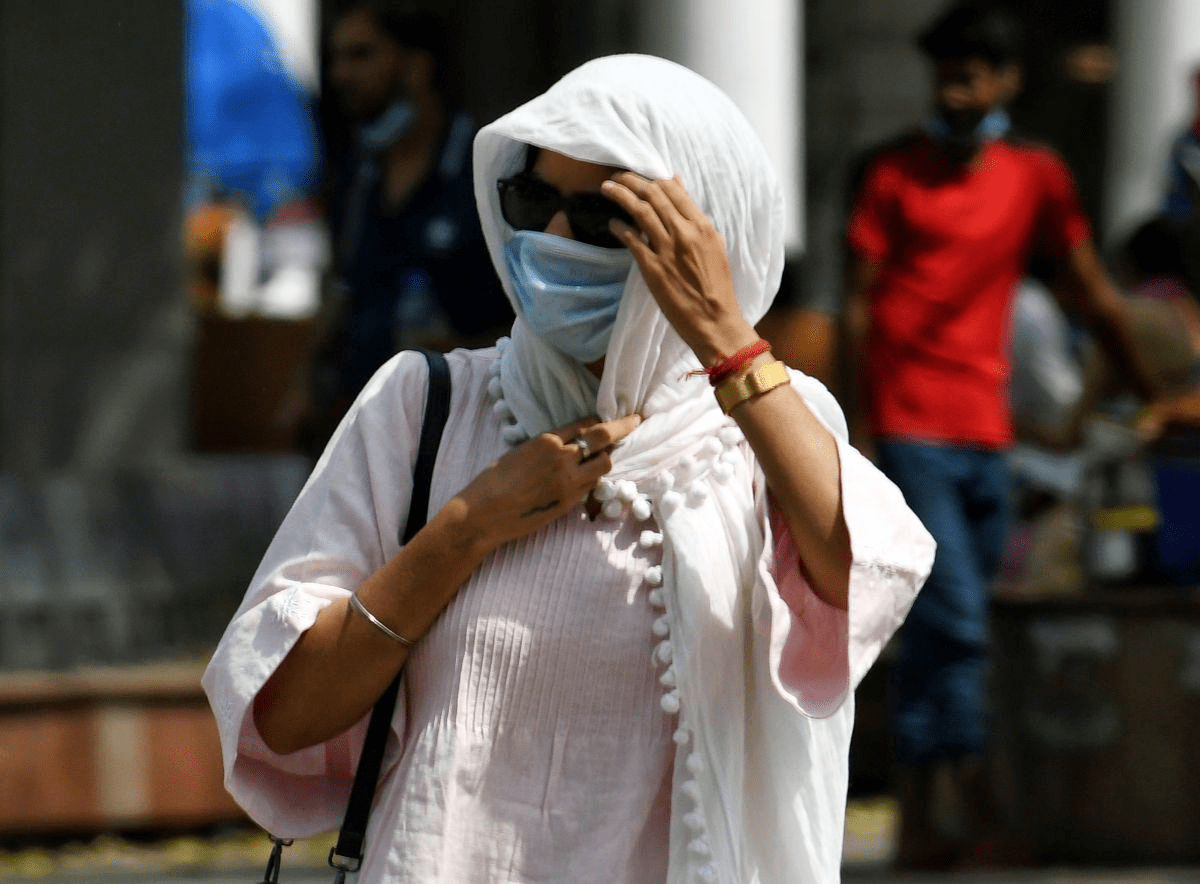
The India Meteorological Department (IMD) released its seasonal outlook on Tuesday, warning that several parts of the country should prepare for an intensified “hot season.” While the national average rainfall for April 2026 is expected to be above normal, specific regions in the East, Central, and Northwest are slated for a higher-than-usual number of heatwave days between April and June.
Also Read | Imran Khan and Bushra Bibi Sentenced to 17 Years in Jail
Regional Outlook: Maximum Temperature Trends
The forecast indicates a divided temperature profile across the subcontinent for the next three months:
-
Higher-than-Normal Heat: Most of East and Northeast India, along with eastern parts of Central India and the Southeast Peninsula, will face above-normal maximum temperatures.
-
Normal to Cooler Pockets: Conversely, many other parts of the country may actually experience normal to below-normal maximum temperatures during this window.
-
Minimum (Night) Temperatures: Expect warmer nights across most of India. Only isolated regions in Maharashtra and Telangana are likely to see normal to cooler minimum temperatures.
April 2026 Specifics: Rain and Heat
The IMD also provided a granular look at the current month, which presents a complex mix of moisture and heat:
Also Read | Imran Khan and Bushra Bibi Sentenced to 17 Years in Jail
| Parameter | Forecast for April 2026 | Impacted Regions |
| Rainfall | Above Normal (Nationwide Average) | Most of India, except the Northeast. |
| Dry Spells | Below Normal Rainfall | Significant parts of Northeast India. |
| Max Temp | Above Normal | East, Northeast, parts of Northwest, and South Peninsula. |
| Min Temp | Above Normal | Most of India (warmer-than-usual nights). |
The “Western Disturbance” Buffer
Despite the heatwave warnings, the IMD noted that the first week of April might offer a brief reprieve for Delhi and the Northwest. A series of Western Disturbances—including the one currently over North Iran and the Caspian Sea—are expected to bring intermittent rain and cloud cover, keeping “peak” temperatures in check until mid-April.
Investigative Insight: The “Warm Night” Syndrome
The most concerning takeaway from the IMD’s 2026 forecast isn’t just the daytime peak, but the above-normal minimum temperatures. When nights don’t cool down sufficiently, the human body cannot shed the heat accumulated during the day, significantly increasing the risk of heatstroke and cardiovascular stress. This “urban heat island” effect is expected to be particularly severe in Eastern India this year. Furthermore, the prediction of below-normal rain in the Northeast during a month when it usually receives pre-monsoon showers suggests a potential disruption in tea production cycles and a heightened risk of forest fires in the Himalayan foothills.
Also Read | Imran Khan and Bushra Bibi Sentenced to 17 Years in Jail
End…..

