

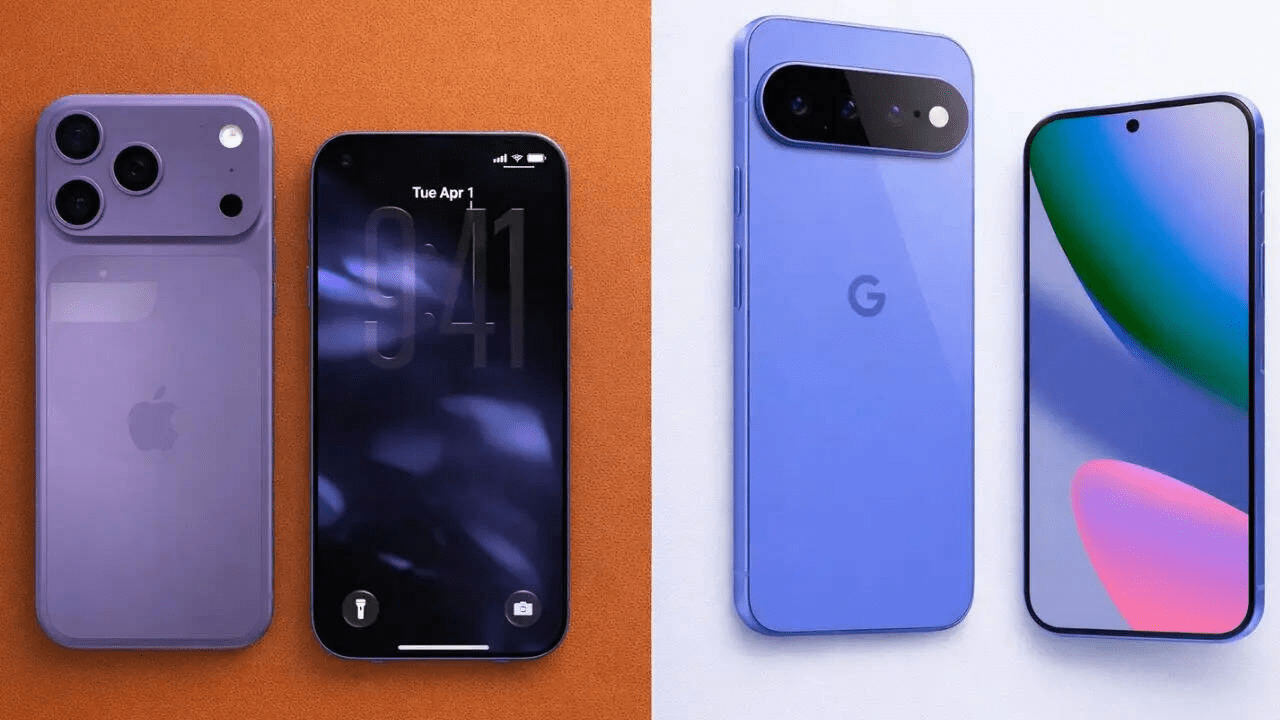
Now the next generation of flagship smartphones is beginning to take shape, and the focus is firmly on the glass. The iPhone 18 Pro Samsung M16 OLED partnership is set to define the visual standards for 2026. First, both Apple and Google are expected to source Samsung’s latest “M16” organic material set for their respective Pro models. Therefore, the upcoming Pixel 11 series and iPhone 18 Pro will share a common hardware foundation for the first time. Meanwhile, reports suggest that Google may actually beat Apple to the punch by launching the tech as early as August.
Also Read | Imran Khan and Bushra Bibi Sentenced to 17 Years in Jail
M14 to M16: Why the Leap Matters for 2026
Now we must analyze the shift in Samsung’s display roadmap. First, the M14 OLED panels have been the industry standard for over two years, powering everything from the iPhone 16 Pro to the current Pixel 10. Therefore, the introduction of the M16 set represents a significant update in material science.
Next, these new panels bring improved color precision and a longer overall lifespan for the organic pixels. Thus, “screen burn-in” concerns are expected to diminish further in the 2026 generation.
Meanwhile, for the average user, the most noticeable change will be in brightness. Therefore, the iPhone 18 Pro Samsung M16 OLED panels will likely set a new record for peak outdoor visibility. So while the M14 was already top-tier, the M16 pushes the ceiling even higher.
Power Efficiency: Fueling the Agentic AI Era
So why is efficiency the headline feature this year? The answer lies in the software. First, the 2026 flagships are moving toward “Agentic AI” that runs constantly in the background. Therefore, the display must consume less power to leave more battery resources for the NPU and CPU.
Next, the M16 panels are engineered to deliver high refresh rates with lower voltage requirements. Thus, the display is no longer the primary “battery drain” it once was.
Meanwhile, this efficiency is critical for the iPhone 18 Pro’s rumored always-on AI features. Therefore, the iPhone 18 Pro Samsung M16 OLED tech is as much about the battery as it is about the eyes. So the screen is becoming a more intelligent partner in the overall hardware stack.
Pixel 11: The First to Market with M16 Tech
Now, in a surprising turn of events, Google is expected to lead the charge. First, industry reports from ETNews suggest that the Pixel 11 series will be the first to feature the M16 panels. Therefore, Google is effectively beating both Apple and Samsung’s own Galaxy range to the newest tech.
Next, the Pixel 11 is slated for an August 2026 launch. Thus, Android enthusiasts will get a one-month head start on the most advanced display technology available.
Meanwhile, this move highlights Google’s growing clout in the hardware supply chain. Therefore, the Pixel 11 is no longer just a “software-first” device. So the iPhone 18 Pro Samsung M16 OLED story starts with a “G.”
Also Read | Imran Khan and Bushra Bibi Sentenced to 17 Years in Jail
iPhone 18 Pro and iPhone Fold: Apple’s Massive OLED Order
So how large is Apple’s commitment to this new technology? The numbers are staggering. First, Samsung Display is projected to supply about 50 million M16 units for the iPhone 18 Pro and Pro Max in the second half of 2026. Therefore, the majority of the production capacity is reserved for Cupertino.
Next, the rumored iPhone Fold is also set to use these high-performance panels. Thus, Apple is standardizing its most expensive devices around the M16 material set.
Meanwhile, this order ensures that Apple maintains its lead in display quality across its entire premium ecosystem. Therefore, the iPhone 18 Pro Samsung M16 OLED implementation will be the primary benchmark for the industry. So the scale of production is a testament to Apple’s hardware dominance.
Design Leaks: Pixel 11 Pro Renders and Bezels
Now let’s look at how this screen will be packaged. First, leaked CAD renders for the Pixel 11 Pro suggest a familiar design language. Therefore, the signature rear camera bar is here to stay for a third year.
Next, the renders show significantly slimmer bezels compared to the Pixel 10. Thus, the screen-to-body ratio is reaching its highest level yet for a Google phone.
Pixel 11 Pro Design Tweaks:
-
All-black camera module replacing body-colored accents.
-
Dimensions: 152.8 x 72 x 8.5mm (Nearly identical to last year).
-
Slimmer bezels, though still slightly thicker than the iPhone 18 Pro rumors.
Meanwhile, the base Pixel 11 is expected to stick with a 6.3-inch LTPO AMOLED display. Therefore, the M16 technology will be the primary visual upgrade this year.
The Samsung Paradox: Will the Galaxy S27 Fall Behind?
So what does this mean for Samsung’s own phones? There is a strange irony in the 2026 roadmap. First, the Galaxy S26 Ultra still uses the older M14 panels. Therefore, external clients like Apple and Google currently have better display tech than the manufacturer’s own flagship.
Next, reports indicate that the Galaxy S27 series might not adopt M16 until early 2027. Thus, for nearly half a year, the Pixel 11 will have a “better” Samsung screen than any Samsung phone.
Meanwhile, this “customer first” strategy allows Samsung Display to maximize profits from external orders. Therefore, the iPhone 18 Pro Samsung M16 OLED deal is a massive financial win for the Samsung group, even if it hurts the Galaxy brand’s pride.
Also Read | Imran Khan and Bushra Bibi Sentenced to 17 Years in Jail
Technical Specs: Brightness and Color Fidelity
Now let’s look at the raw numbers. First, the M16 panels are rumored to reach peak brightness levels exceeding 3,000 nits. Therefore, even in direct sunlight, the display will remain perfectly legible.
Next, color accuracy is expected to see a marginal improvement over the already excellent M14. Thus, professional photographers and videographers can trust the screen for on-the-go editing.
Meanwhile, the “lifespan” of the organic materials is a key focus. Therefore, users who keep their phones for 5+ years will see much less degradation in white balance and brightness. So the iPhone 18 Pro Samsung M16 OLED is a win for durability.
Beyond the Screen: Tensor G6 and A20 Pro Integration
So how will the processors utilize this new display? First, the Pixel 11 is expected to run on the Tensor G6 chip, built on a cutting-edge 2nm node. Therefore, the synergy between the processor and the efficient M16 panel will result in record-breaking battery life.
Next, the iPhone 18 Pro will feature the A20 Pro chipset. Thus, both phones are maximizing their “performance per watt” metrics.
Meanwhile, the shift to a MediaTek M90 modem in the Pixel 11 is also rumored. Therefore, network stability will match the high standards of the display. So the iPhone 18 Pro Samsung M16 OLED is just one piece of a much larger high-tech puzzle.
Common Questions Answered
What is the iPhone 18 Pro Samsung M16 OLED tech?
Now it is the latest organic material set for smartphone displays. Therefore, it offers better brightness and power efficiency than previous generations.
Will the Google Pixel 11 use the same screen as the iPhone 18 Pro?
First, yes. Reports suggest both Google and Apple are sourcing M16 panels from Samsung for their 2026 flagships. Thus, they will have similar display quality.
When does the Pixel 11 series launch?
Next, it is expected to be unveiled in August 2026. Therefore, it will likely be the first device to market with the M16 technology.
Why is M16 better for battery life?
So because it is engineered for higher efficiency. Thus, it consumes less power while maintaining high brightness levels.
Does the iPhone 18 Pro have thinner bezels?
Finally, yes. Rumors suggest Apple is pushing for even slimmer bezels, potentially beating the Pixel 11 in screen-to-body ratio.
Is the Galaxy S27 getting this tech too?
Actually, while it’s expected eventually, the Galaxy S27 isn’t projected to launch until early 2027. So for a few months, Apple and Google will have the lead.
Also Read | Imran Khan and Bushra Bibi Sentenced to 17 Years in Jail
End…

