

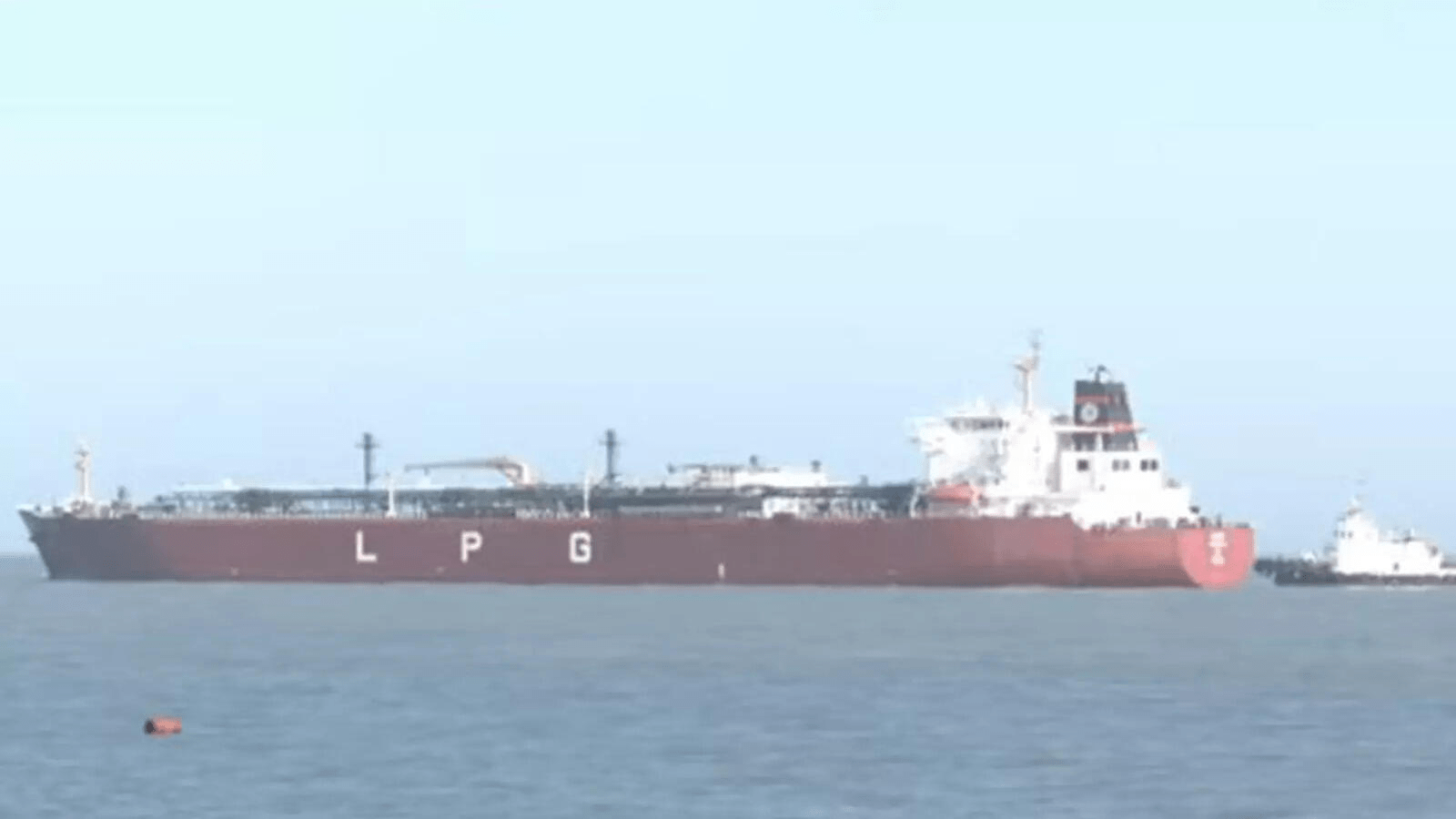
Now the critical energy supply lines to South Asia have secured a major operational victory. A premium crude carrier successfully navigated through the world’s most dangerous maritime chokepoint early Friday morning. Therefore, the strategic transit of this vital Strait of Hormuz oil tanker brings immense relief to Indian refinery hubs.
Meanwhile, international diplomats are holding tense peace discussions behind closed doors to resolve the West Asia war. The shipping network had faced a near-total block since severe hostilities erupted in late February. Still, rogue naval detachments continue to enforce strict registration demands on civilian vessels.
One wrong move inside these mined waters can trigger global economic chaos.
Also Read | Imran Khan and Bushra Bibi Sentenced to 17 Years in Jail
Breaking Through the West Asian Blockade
Now maritime monitoring networks are logging a steady increase in localized tanker movements. The regional cessation of hostilities allowed a small fleet of commercial vessels to leave their anchorages. Therefore, the successful passage of this primary Strait of Hormuz oil tanker indicates a practical easing of field tensions.
So the Islamic Revolutionary Guard Corps Navy permitted 23 commercial ships to traverse the channel inside 24 hours. Meanwhile, Iranian military state media confirmed that these transits followed strict bilateral clearances. Thus, automated tracking links are showing active movement patterns once again.
“All transits were conducted following formal coordination,” an official statement from Tehran reported Thursday. Therefore, shipping corporations must submit extensive cargo manifests before entering the restricted militarized zone.
The Escape to the Arabian Sea
First, the deep-draft vessel exited the high-risk zone without facing physical interventions from local patrol boats. It navigated past underwater minefields using heavily surveyed navigational paths. Therefore, the master maintained strict steering control to avoid straying into un-cleared corridors.
Next, satellite data recorded the tanker’s position at 6 AM Indian Standard Time off the west coast of India. The crew is now moving at a steady operational speed inside international waters. Thus, the immediate threat of military capture has passed for this specific crew.
Finally, regional energy traders are celebrating the arrival of this massive oil volume. Local fuel reserves had dropped to critical levels due to the extended closure of gulf shipping lanes. Therefore, the incoming cargo protects domestic manufacturing centers from facing forced power reductions. Period.
The Threat Remains High
So general tracking boards reveal that navigation remains incredibly complicated despite this single success. Hundreds of companion vessels are still waiting for clearance notes inside hot regional bays. Still, smart operators are using this temporary window to move their assets out rapidly.
Now let’s examine the exact parameters of the ship.
Tracking the Route of the Nissos Keros
Now let’s look closer at the logistical data behind this massive transit operation. Managing a supertanker inside a restricted conflict zone demands flawless mechanical execution. Therefore, the vessel parameters reflect the high high-tier corporate assets risking the channel.
The Supertanker Dimensions
First, the premium ship operates under the formal registry of the Marshall Islands. It completed its bulk cargo loading operations at Sharjah anchorage back on May 21. Therefore, the vessel spent roughly eight days navigating the tense out-bound channels.
So if we review the physical ship particulars:
-
Total overall length profile: Measures an incredible 333 meters
-
Total carrying capacity: Holds up to 318,744 tonnes of raw crude
-
Current operational destination: Heading straight for the Visakhapatnam terminal
A massive injection of fuel. The automated arrival tracker points to June 3.
The Ownership Structure
Next, international maritime registers list the Arethusa Shipping Corporation as the legal owner of the hull. The active daily operations belong to the Kyklades Maritime Corporation based out of Greece. Thus, European management teams are guiding these sensitive energy runs.
So the Hyundai-built vessel represents the premier tier of modern double-hulled transport engineering. This reinforcement shields the internal cargo tanks against minor shrapnel impacts or light sea mines. Therefore, insurance syndicates allowed the trip despite high systemic risks.
Finally, the vessel is maintaining an steady speed of 12.8 knots to preserve fuel efficiency. It must cross the remaining miles without facing sudden weather anomalies. Therefore, weather routers are monitoring regional storm alerts closely. Period.
The Economic Valuation
Now market experts estimate the value of the onboard crude at over $180 million. Losing such a massive cargo would destabilize regional insurance indices instantly. Therefore, global markets are tracking its journey with intense focus.
The data proves that modern commerce requires heavy technical support.
Iran Formalizes Maritime Toll Collection
Now we must analyze the controversial political framework governing the channel today. The Iranian parliament finalized a fresh regulatory mechanism to control international shipping movements this month. Therefore, the passage of every single Strait of Hormuz oil tanker happens under a strict state-run transit regime.
The Launch of the PGSA
First, Tehran established a specialized state agency named the Persian Gulf Strait Authority on May 5. This administrative body forces every passing vessel to request verification documents via official digital channels. Therefore, the coastal nation is formalizing its absolute physical control over the waterway.
So if we examine the new transit workflow:
-
Shipowners must email full identification profiles to the central agency
-
The authority reviews origin ports and the nationalities of the crew
-
Shippers receive a formal transit permit before starting their run
The system essentially operates as a militarized toll booth.
The Cryptographic Toll Loophole
Next, local sources indicate that the authority demands substantial transit fees to ensure safe passage. The agency claims these funds are necessary to finance state demining operations. Thus, complying with the rules guarantees that your ship will not be targeted by local missile batteries.
So this framework created an immediate compliance crisis for international shipping houses. Paying the fees protects the vessel but triggers immediate legal issues with western regulators. Therefore, corporate legal teams are working overtime to find valid bypass loopholes.
Also Read | Imran Khan and Bushra Bibi Sentenced to 17 Years in Jail
The Legality of International Waterway Fees
Now the introduction of unilateral shipping tariffs violates decades of established international law. Global maritime bodies refuse to accept the authority of the newly formed Iranian agency. Therefore, a major legal standoff is unfolding across global courts.
The UNCLOS Transit Framework
First, the United Nations convention explicitly declares it illegal to levy transit fees inside international straits. Under standard global rules, commercial ships enjoy unhampered transit passage rights through natural chokepoints. Therefore, the UN labels these local taxes as state-sponsored extortion.
Next, Iran signed the maritime convention documents years ago but never completed the final ratification process. The country’s legal teams use this specific loop to claim they are not bound by the open transit rules. Thus, they insist their domestic sovereignty overrides international custom.
Then, the United States Office of Foreign Assets Control issued an urgent warning to global shippers. The agency stated that making any direct financial payment to the Iranian authority violates active federal sanctions. Therefore, companies face massive asset freezes in the west if they comply with toll demands.
The Shipping Dilemma
So global corporations face a terrible operational choice. Do they pay the local toll to guarantee physical ship safety, or do they risk losing access to the US banking system? Still, several Asian firms are using third-party intermediaries to clear their transits quietly.
Now local Indian authorities have denied making any direct payments to the authority for the Nissos Keros. They insist our vessels operate under independent safety protocols. Meanwhile, automated tracking systems keep logging successful crossings.
We’ll see if the international court issues a binding blocking order soon.
Trump Issues Explosive Warning to Oman
Now the political rhetoric from Washington is hitting extreme levels of hostility. The American administration intends to break the Iranian energy block using aggressive economic and military pressure. Therefore, neutral regional neighbors are getting caught inside the diplomatic crossfire.
The Attack on Local Agreements
First, US President Donald Trump issued an unexpected public warning to the Sultanate of Oman on Wednesday. White House intelligence reports suggested that Muscat was considering a joint traffic deal with Tehran to handle toll collections. Therefore, the president reacted with immediate verbal fury.
So if we review the specific language from the briefing:
-
Trump threatened total destruction if Oman assists the Iranian toll system
-
The administration demands immediate cooperation to restore free global navigation
-
Washington will deploy extra naval units to check rogue tracking stations
The aggressive statement shocked regional diplomatic circles deeply.
The White House Stance
Next, the American leader insisted that the strategic channel must open to global trade without structural conditions. He claims the ongoing naval chokepoint is the primary driver of the current international inflation crisis. Thus, the US is threatening to use raw military force to clear the lanes.
So this hard stance complicates ongoing regional ceasefire discussions. Neutral brokers like Pakistan are asking for calm language to preserve fragile negotiation lines. Therefore, negotiators are rushing to clarify the White House comments before local tiffs expand.
Why the Current Peace Talks Remain Stalled
Now resolving the maritime crisis requires finishing a comprehensive regional peace deal. The two-month conflict has disrupted industrial supply chains across multiple continents. Therefore, mediators are working through the night to finalize a sustainable ceasefire draft.
The Core Strategic Disagreements
First, the primary roadblock to peace centers entirely on the freedom of navigation clauses. Washington demands the absolute removal of all local checkpoint agencies and electronic monitoring arrays. Therefore, the US wants a complete return to pre-war shipping customs.
Next, Tehran refuses to surrender its new regulatory leverage over global energy pipelines. The local leadership views the shipping authority as its ultimate shield against western economic sanctions. Thus, they intend to keep the toll system active permanently.
Then, the conflict has already driven regional oil prices past highly dangerous fiscal thresholds. The extended disruption of gas shipments is straining European electrical grids ahead of the summer season. Therefore, global leaders are desperate to secure a compromise this week.
The Role of Pakistan
So Pakistani Foreign Minister Ishaq Dar is leading active mediation channels between the two capitals. He is proposing a balanced oversight model managed by neutral international observers. Still, convincing both sides to accept joint control remains an uphill battle.
Now let’s look at the backlog of ships waiting for resolution.
Also Read | Imran Khan and Bushra Bibi Sentenced to 17 Years in Jail
The Staggering Volume of Bottled Up Shipping
Now the scale of the maritime bottleneck is completely unprecedented in modern history. The closure of the channel has trapped an enormous volume of mercantile capital inside local gulf bays. Therefore, clearing the backlog will take months of coordinated logistical work.
The IMO Data Disclosures
First, International Maritime Organization Secretary-General Arsenio Dominguez released a grim summary of the crisis. He confirmed that roughly 1,500 commercial vessels are currently trapped inside the Persian Gulf. Therefore, global freight capacities are experiencing severe artificial shortages.
So if we break down the trapped fleet:
-
Bulk cargo carriers holding critical grain and agricultural raw assets
-
Premium chemical tankers waiting for clearance to supply factories
-
Specialized container ships carrying high-value electronics components
The total value of the floating backlog exceeds tens of billions of dollars.
The Insurance Squeeze
Next, global underwriting syndicates have suspended standard insurance coverage for the entire gulf territory. Any ship captain attempting to navigate the strait without military clearance faces total policy cancellation. Thus, only the most desperate operators are moving their hulls.
So this economic freeze is forcing international consumer brands to seek alternative transport lines. Companies are routing cargo through lengthy land loops across Central Asia. Therefore, retail transport times have doubled across key global corridors.
How Indian Refineries Are Managing Risks
Now domestic oil companies are adapting rapidly to survive this extended energy shock. India relies heavily on West Asian crude to fulfill its enormous daily industrial demands. Therefore, energy security teams are deploying innovative structural defenses to keep local factories running.
Diversifying the Source Portfolio
First, public sector oil firms are increasing their purchase orders from alternative global producers. Procurement teams are buying massive volumes from African and South American drilling sites. Therefore, the country’s dependence on the narrow gulf channel is dropping.
Next, domestic ports are accelerating clearance protocols for returning ships. Refineries at Visakhapatnam and Jamnagar are operating advanced offloading equipment to empty incoming hulls in record time. Thus, tankers can return to the open sea rapidly.
Then, the state is expanding its strategic petroleum reserves across underground cavern sites. These insulated storage vaults hold enough emergency fuel to power the nation for several weeks during a total blockade. Therefore, the country can negotiate from a position of absolute strength. End of story.
Frequently Asked Questions
Now let’s resolve immediate questions from the public regarding the Strait of Hormuz oil tanker crossing. These answers break down ship routes, toll rules, and international law clearly. Therefore, read them carefully.
Which specific vessel crossed the chokepoint recently? The Marshall Islands-flagged VLCC supertanker named Nissos Keros successfully cleared the channel. It left Sharjah on May 21 carrying a massive cargo of raw petroleum destined for India. Therefore, it broke through the regional shipping block.
Where is the India-bound oil tanker located right now? According to real-time automated tracking data, the vessel entered the open waters of the Northern Arabian Sea on Friday morning. It is currently navigating safely off the west coast of India and will dock in Visakhapatnam on June 3.
What is the new agency Iran launched to control the strait? Iran established the Persian Gulf Strait Authority (PGSA) on May 5, 2026. This militarized government body forces passing commercial vessels to submit detailed cargo profiles and pay transit tolls before receiving a navigation permit. Thus, it formalizes local control.
Is it legal for a country to charge fees for passing international straits? No. Under the United Nations Convention on the Law of the Sea (UNCLOS), commercial vessels enjoy unhampered transit passage rights through international straits. Levying arbitrary tolls is illegal, and the US has warned that paying them triggers federal sanctions.
Why did President Trump issue a public warning to Oman? White House intelligence reports indicated that Oman was discussing a joint maritime traffic fee arrangement with Tehran. Trump threatened immediate military retaliation against Oman if they assist Iran in formalizing the shipping toll network. Therefore, regional tensions remain elevated.
How many commercial ships are currently trapped in the gulf zone? According to official disclosures from the International Maritime Organization, roughly 1,500 commercial vessels are bottled up inside the Persian Gulf. They are unable to clear the strait due to high mine risks and severe insurance policy freezes.
What are the physical specifications of the Nissos Keros tanker? The modern double-hulled vessel measures 333 meters in length and possesses an absolute deadweight capacity of 318,744 tonnes. It belongs to the Arethusa Shipping Corporation and operates under the experienced management of Kyklades Maritime. End of story.
Also Read | Imran Khan and Bushra Bibi Sentenced to 17 Years in Jail
End..

