

Strategic Convergence: First Tranche of Long-Awaited India-US Bilateral Trade Agreement Nears July Sign-Off
Commerce Minister Piyush Goyal confirms advanced stage of cross-border text integration, mapping out an early market-access blueprint despite legacy tariff standoffs.
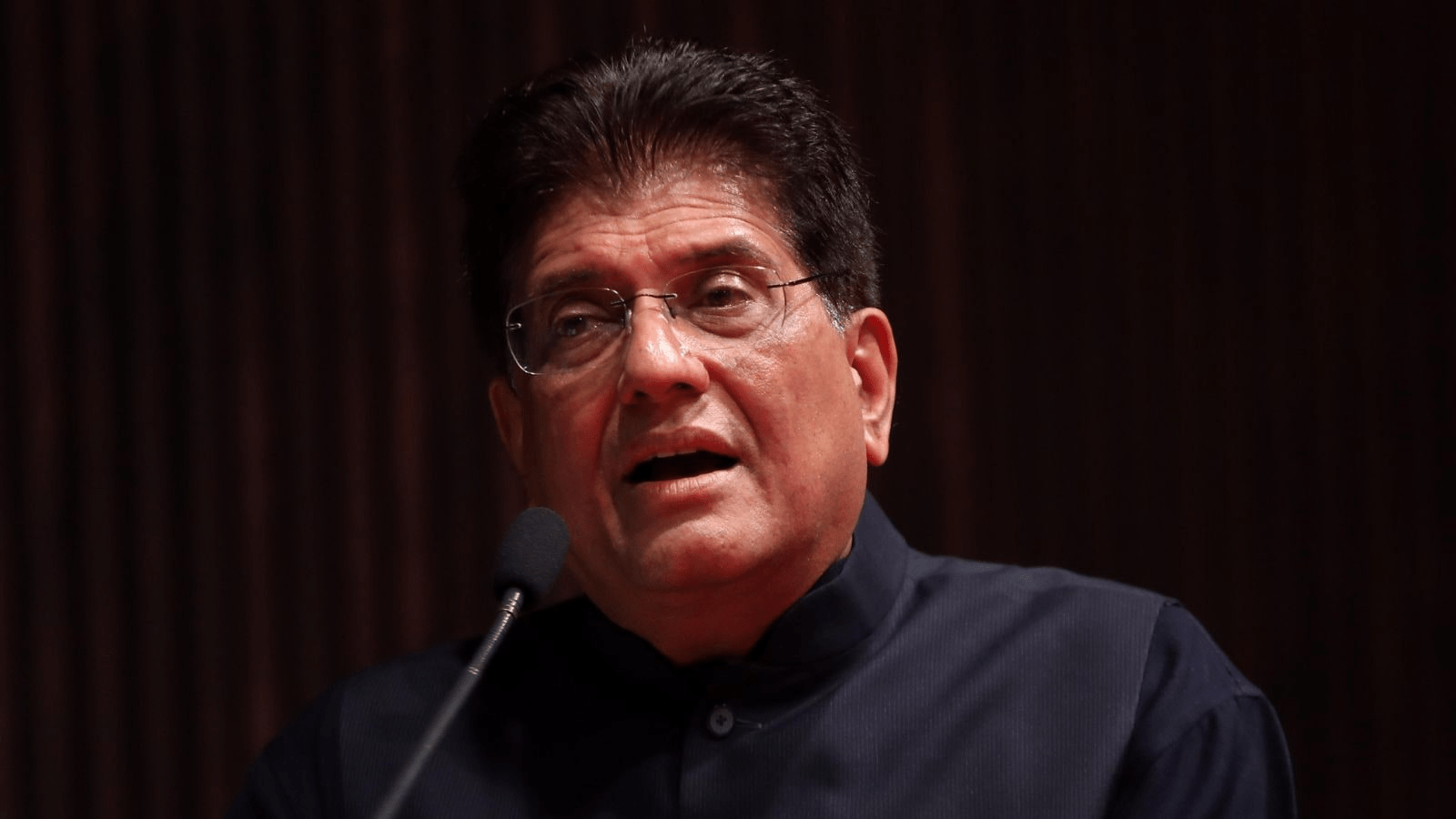
The commercial relationship between New Delhi and Washington is moving toward a major structural breakthrough. Union Minister for Commerce and Industry Piyush Goyal announced on Monday that India is on track to finalize the first phase of its long-discussed India US bilateral trade agreement as early as mid-July.
Speaking to journalists on the sidelines of an economic summit in the capital, Goyal confirmed that bilateral negotiations have advanced significantly over the past few weeks. This fast-tracked progress has put both nations in a position to iron out remaining technical differences and sign an initial, high-impact deal that will set the stage for deeper economic cooperation.
Also Read | Imran Khan and Bushra Bibi Sentenced to 17 Years in Jail
The New Delhi Marathon: Closing the Regulatory Gaps
This major diplomatic step forward comes on the heels of intense, quiet negotiations behind the scenes. Goyal revealed that on June 5, a full contingent of specialized United States trade officials traveled to New Delhi. The visiting team spent days locked in marathon text-review sessions with their counterparts at the Ministry of Commerce to clear remaining hurdles.
According to ministry sources, the visiting American delegation included experts from multiple trade divisions, focusing heavily on matching standards across digital commerce, agricultural market access, and pharmaceutical compliance loops. The upcoming July package is designed to function as a highly focused first phase, locking in consensus areas while leaving more complex, long-term regulatory integration for future rounds.
Balancing Key Sectors Against Legacy Tariff Disputes
The rapid pace of these negotiations is particularly notable given the backdrop of recent, public disputes over tariffs. Over the past year, both Washington and New Delhi have actively guarded their domestic manufacturing bases through selective import fees and agricultural subsidies.
| Targeted Commercial Sector | Domestic Indian Export Ambitions | Expected US Market Concessions |
| Engineering & Metallurgy | Seeks complete removal of legacy national security tariffs on Indian steel and aluminum. | Fast-tracked custom clearing pathways for certified green steel shipments. |
| Pharmaceutical Infrastructure | Demands wider acceptance of generic formulations by US health regulators. | Streamlined audit procedures for production sites located across India. |
| Agricultural Logistics | Looking to expand export volumes for premium basmati rice, wild shrimp, and fruit. | Clarified quarantine and pesticide residue checking standards. |
| Information Technology | Wants predictable, multi-year visa processing rules for specialized tech professionals. | Simplified compliance standards for cross-border engineering services. |
By separating these long-standing tariff concerns from immediate supply-chain goals, negotiators have successfully protected the broader relationship from getting bogged down in individual sector disputes.
Also Read | Imran Khan and Bushra Bibi Sentenced to 17 Years in Jail
Driving Supply Chain Independence
The push to finalize this initial trade phase reflects a shared geopolitical goal: the desire to diversify global supply chains away from single-source manufacturing hubs.
By lowering trade barriers and creating a more predictable regulatory environment for private investments, the incoming framework will encourage direct capital moves into India’s expanding electronics, automotive component, and chemical processing plants.
The Ministerial Outlook: “We had a full team of officials from different divisions of trade from the U.S. in Delhi,” Minister Piyush Goyal noted during his operational review. He expressed strong confidence that this initial phase will represent a “very vibrant first tranche,” building a reliable, long-term foundation that will allow both democracies to seamlessly coordinate their economic strategies for decades to come.
FAQ Section
When will the first tranche of the India US bilateral trade agreement be signed?
According to official updates from Commerce and Industry Minister Piyush Goyal, India and the United States are on track to sign the initial phase of the trade pact by mid-July 2026.
What was the purpose of the recent US trade delegation’s visit to New Delhi?
A full team of American trade officials arrived in New Delhi on June 5, 2026, to hold extensive, face-to-face meetings with Indian negotiators. The goal of the sessions was to close remaining regulatory gaps and finalize the text for the upcoming phase 1 deal.
How will this initial trade deal benefit Indian exporters?
The first tranche is expected to improve market access across key domestic sectors, including engineering goods, generic pharmaceuticals, and agricultural products. It achieved this by streamlining custom checks and establishing clearer compliance standards between the two nations.
Also Read | Imran Khan and Bushra Bibi Sentenced to 17 Years in Jail
End…

