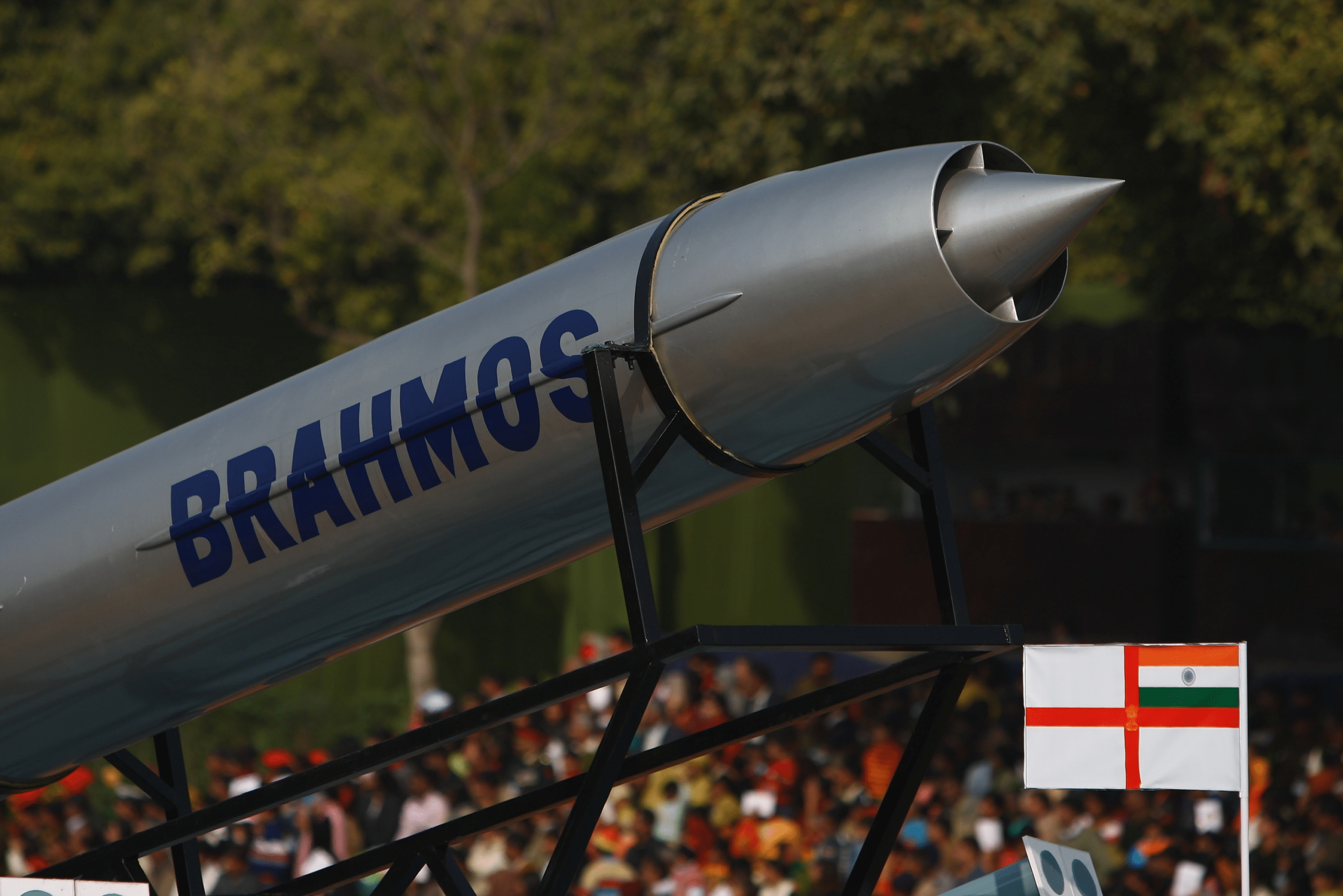
BrahMos Aerospace confirms production scales have surged from one unit to 60 monthly, while Solar Industries sends its first 100% indigenous cruise warhead for final validation trials.
The strategic technology lines governing the manufacturing, assembly, and international distribution of the subcontinent’s premier strike weapon have achieved total sovereign independence. Commemorating a massive industrial milestone on Thursday, June 18, 2026, defense engineers officially flagged off the 100th unit under the BrahMos indigenous booster production Nagpur framework. Developed at the high-tech Solar Industries India Limited facility in Maharashtra, the rollout marks the complete replacement of Russian-supplied propulsion cores with 100% homegrown hardware.
The industrial milestone reshapes the country’s strategic standing as a major defense exporter.
Previously, the solid-propellant boosters required to launch the supersonic cruise missile into its Mach 3 flight profile were imported from Russian foundries.
By absorbing complex rocket motor technology and scaling assembly lines to meet surging demand, local engineers are successfully lowering production costs while speeding up delivery timelines for critical overseas orders.
Also Read | Imran Khan and Bushra Bibi Sentenced to 17 Years in Jail
The Evolution of Autonomy: From Technology Transfer to Peak Scale
The path to total self-reliance required an intense, multi-year engineering effort designed to master complex aerospace manufacturing techniques.
Following the signing of the initial technology transfer agreement in 2018, local defense teams spent two years running virtual models and laboratory tests, completing full system trials by the end of 2020.
While early production efforts in 2022 turned out just one booster per month, the Nagpur facility has achieved an extraordinary scale-up.
The factory now outputs 60 certified solid-fuel boosters every single month, giving the armed forces a steady, reliable supply of parts that is completely insulated from international supply disruptions.
Slicing Through the Missile Indigenisation Blueprint
The domestic production expansion is moving past propulsion systems, shifting resources to replace the final imported sub-assemblies inside the missile’s frame:
| Target Missile Assembly | Legacy Procurement Source | Current Indigenisation Status | Strategic Operational Advantage Achieved |
| Solid Rocket Booster | Imported from Russian suppliers. | 100% Locally Made in Nagpur. | Lowers launch system costs; bypasses foreign supply blocks. |
| Main Kinetic Warhead | Sourced via foreign partners. | Undergoing final validation trials. | Replaces specialized explosive components with local materials. |
| Airframe Composites | Mixed international sourcing. | 100% Domestic Assembly. | Lowers the missile’s weight while increasing overall range. |
| Targeting Software | Shared development frameworks. | Sovereign encrypted coding blocks. | Absolute cyber protection; immune to outside jamming. |
Also Read | Imran Khan and Bushra Bibi Sentenced to 17 Years in Jail
Unlocking Global Markets: Vietnam Moves to Final Clearances
The rapid expansion of the BrahMos indigenous booster production Nagpur lines arrives at a critical moment for the company’s export team.
BrahMos Aerospace Chief Jaiteerth Joshi confirmed that negotiations to supply the supersonic missile system to Vietnam are entering their final stages, with only a few minor administrative clearances remaining.
The underlying text of the defense update highlights that total self-reliance requires mastering the missile’s payload systems.
Solar Industries Chairman Satyanarayan Nuwal confirmed that their 100% homegrown combat warhead has been developed and sent for live field testing.
With final validation checks expected within the next month, the company is fully equipped to manufacture complete warheads locally, lifting annual production capacity to 150 advanced missile engines to meet growing international demand.
Five Sequence Steps Executed to Validate Local Rocket Boosters
To secure official flight safety certificates from aerospace regulators before mounting a local booster onto a live missile casing, test teams execute this five-step validation sequence:
Ultimately, navigating the changing landscape of global defense manufacturing requires recognizing that true independence means building your most critical weapons at home. While local technology leaders like Bengaluru’s Sarvam design advanced software systems to protect data, defense teams in Nagpur are securing the nation’s physical borders.
By taking complete control of booster production and launching local warhead trials, the country has turned an imported weapon into a powerful engine for domestic industrial growth.
Taking these proactive engineering steps protects our vital defense supply lines, lowers operational costs for our armed forces, and ensures the nation remains on a steady, self-reliant path toward long-term national security.
FAQ Section
Why is the breakthrough in BrahMos indigenous booster production Nagpur significant?
The milestone is highly significant because it marks the complete elimination of India’s dependency on Russia for the BrahMos missile’s primary propulsion system. By manufacturing the solid-fuel rocket booster 100% locally at Solar Industries in Nagpur, India has secured its supply chains and lowered production costs for its frontline strike weapon.
How fast have local engineers scaled up production at the Nagpur defense facility?
Production speeds have experienced an extraordinary scale-up. After absorbing the transferred technology and securing official approvals in 2022, the facility transitioned from building just one booster per month to an output of 60 certified rocket boosters monthly in 2026, allowing the company to easily support large export orders.
Which international customers are currently lined up to purchase the system?
The Philippines has already integrated the land-based supersonic cruise missile system into its coastal defense networks. Furthermore, BrahMos Aerospace has confirmed that negotiations with Vietnam are nearly complete, with only a few final administrative clearances remaining before a formal export contract is signed.
Also Read | Imran Khan and Bushra Bibi Sentenced to 17 Years in Jail
End….