

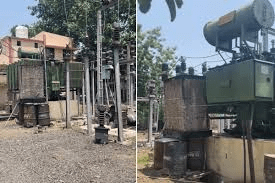
Now the internal utility architecture and local power distribution systems stabilizing India’s major urban centers are navigating an unprecedented engineering crisis. A punishing, record-breaking summer heatwave has pushed ambient temperatures inside cities like Banda, Jharsuguda, and New Delhi past terrifying 45°C to 48°C thresholds on Thursday, May 21, 2026. Therefore, local electrical distribution networks and regional power grids are experiencing historic, near-fatal consumption surges. This extreme climate environment causes neighborhoods to witness a cascade of exploding distribution transformers, leaving thousands of households trapped inside lengthy, dark power cut windows. Following these heavy structural equipment breakdowns, adopting intelligent household load management methodologies has transformed into an absolute mechanical necessity to protect community infrastructure from total physical failure.
Also Read | Imran Khan and Bushra Bibi Sentenced to 17 Years in Jail
The Transformer Crucible: Why Ambient Heat Stops Vital Oil Cooling Systems
Now the raw thermodynamic metrics tracking the performance of neighborhood electrical infrastructure reveal an alarming pattern of structural equipment exhaustion. A standard local distribution transformer is engineered to reduce high-voltage transport energy down to safe, usable volts for household use. Therefore, municipal engineers are tracking internal core metrics to understand why these massive machines are failing under modern summer loads.
First, look at the cooling physics: under normal weather conditions, the extreme internal heat generated by the transformer is absorbed by custom oil cooling chambers. Next, once the surrounding air layer hovers continuously above the 45 degrees Celsius line, the machine’s ability to vent that heat drops significantly. Thus, the mechanical necessity of letting the system cool down is completely blocked, especially during humid, high-temperature night blocks.
So when an entire housing colony activates heavy appliances simultaneously, the internal copper insulation lines inside the transformer melt down within hours. This physical breakdown causes spectacular short-circuits that explode the metal casing, forcing emergency repair teams to replace the entire asset. Meanwhile, local grid managers are deploying mobile monitoring trailers to check oil levels before high midday solar radiation hits. Therefore, understanding the transformer crucible provides a vital technical foundation to help communities implement protective demand limits.
The Inrush Current Threat: Flattening Neighborhood Surges via Staggered Startups
Nowhere does the execution of smart energy use require higher individual discipline than when turning on powerful home cooling appliances. The primary danger to a vulnerable local transformer manifests the exact microsecond a consumer pushes the power button on a high-capacity air conditioner. Therefore, electrical safety boards are urging residential communities to change how they initialize their home cooling systems.
First, look at the technical trigger: a starting cooling compressor generates a massive, temporary surge in power consumption known as inrush current. Next, if multiple families activate their home cooling units at the identical moment, these overlapping power surges create a giant spike that trips safety breakers instantly. Thus, the mechanical necessity of smoothing out these destructive power draws requires households to space out their device startups carefully.
[Simultaneous AC Startups Across the Block] ──► Generates a Massive, Overlapping Inrush Current Surge
                                                          │
                                                          ▼ (The Transformer Thermal Shock)
[Internal Copper Insulation Lines Melt Down]     ──► Overdrives Weak Neighborhood Distribution Transformers
                                                          │
                                                          ▼
[Catastrophic Local Transformer Explosion]       ──► Causes Lengthy, Multi-Hour Blackouts Across the Colony
So the recommended union action requires families to introduce a simple fifteen-to-twenty-minute delay window between starting separate home cooling units. This basic pacing rule flattens out dangerous grid bumps, allowing the local sub-station to absorb the initial power draw smoothly. Meanwhile, housing society committees are distributing synchronized startup schedules to ensure that different apartment blocks turn on their equipment in organized cycles. Therefore, mastering the staggered startup method functions as an elite first line of defense to keep local power lines fully active.
The 26-Degree Comfort Matrix: Maximizing Compressor Rest Intervals Effortlessly
Now exploring the underlying operational logs of modern home cooling systems reveals a widespread, highly destructive user misunderstanding. Many residents mistakenly believe that cranking their digital thermostats down to an extreme 18 or 20 degrees during high-heat months cools rooms faster. Therefore, consumer energy panels are publishing clear behavioral guidelines to correct these wasteful habits across major cities.
-
The Thermostat Optimization Performance Metrics:
-
Continuous Compressor Load: Setting dials low forces the cooling pump to run non-stop, drawing maximum current continuously.
-
The 26-Degree Comfort Baseline: Keeping dials at 26 degrees allows the room to remain comfortable while letting machinery rest.
-
Fan Synchronization Inflow: Combining high thermostat settings with a powerful ceiling fan multiplies cooling air distribution rapidly.
-
Grid Resource Relief: Allowing the internal cooling pump to cycle off periodically slashes local grid load by up to 25 per cent.
-
First, this minor temperature adjustment guarantees that the home cooling compressor gets essential operational rest windows to prevent internal coils from overheating. Next, reducing the continuous power draw from thousands of home systems lowers the baseline temperature of the street transformer. Thus, the mechanical necessity of saving power is met without forcing families to compromise their indoor comfort lines during heatwaves.
Also Read | Imran Khan and Bushra Bibi Sentenced to 17 Years in Jail
Peak Window Isolation: Shifting Heavy Appliance Operations to Resting Hours
Now separating standard daily household chores from the critical safety limits of the local grid requires analyzing daily electricity consumption profiles. Data tracking logs show that local electricity usage concentrates heavily into two distinct, high-risk daily peak windows across all major suburbs. Therefore, municipal distribution boards are issuing urgent text alerts to instruct residents to adjust their daily appliance schedules.
-
The High-Risk National Peak Windows:
-
Midday Radiation Peak: Operating continuously from 1:00 PM until 4:00 PM as solar energy maximizes.
-
Evening Return Peak: Exploding from 7:00 PM until 11:00 PM as families return home and activate all devices.
-
Heavy Machinery Violations: Running power-hungry washing machines, electric cloth dryers, and large water pumps during peaks.
-
Grid Rest Target: Shifting heavy power tasks to early morning or late night hours when the local network rests.
-
First, this strategic scheduling shift ensures that high-pumping water systems and heating elements do not compete for power when air conditioners are working hardest. Next, moving large washing loads to the early morning hours allows the community to shave down dangerous consumption peaks safely. Thus, the mechanical necessity of maintaining a balanced energy flow is fully achieved by utilizing these organized off-peak operating hours.
[Heavy Washers & Pumps Run During Evening Peaks] ──► Pushes Local Grid Consumption Past Maximum Safety Limits
                                                            │
                                                            ▼ (The Demand-Side Rescheduling Move)
[Shift Non-Essential Tasks to Morning Hours]        ──► Shaves Down High-Risk Peak Surges and Restores Balance
                                                            │
                                                            ▼
[Transformer Remains Safe Within Operational Zones] ──► Prevents Accidental Blackouts Across Local Urban Streets
So this disciplined community cooperation shields vulnerable distribution boxes from facing fatal current loads during the hottest hours of the day. Local residential boards are tracking daily neighborhood performance sheets to help families identify which hours offer the safest, lowest grid loads. This careful management stops unnecessary appliance usage from triggering emergency shutdowns that cut power to entire medical units down the street. Therefore, peak window isolation serves as an exceptionally smart tool to maintain uninterrupted power for local neighborhoods.
The Zoning Protocol: Eradicating Unnecessary Cooling Loads in Empty Rooms
Nowhere does the execution of modern, mindful asset management show higher visibility than across the smart zoning choices applied inside contemporary apartment layouts. A growing trend across premium metropolitan developments features the wasteful practice of running cooling systems inside empty guest spaces or dining areas. Therefore, urban conservation groups are introducing strict zoning rules to stop unnecessary power consumption across high-density neighborhoods.
-
The Smart Space Zoning Steps:
-
Isolation Identification: Spotting empty or low-use rooms that do not require non-stop summer cooling tracking.
-
Physical Boundary Closing: Sealing all intermediate connection doors tightly to trap cool air inside active living zones.
-
Terminal Power Deactivation: Shutting off separate wall units inside empty zones to drop household current draws instantly.
-
Localized Air Concentration: Directing the entire performance output of active systems exclusively onto immediate family spaces.
-
First, this structural zoning method ensures that your home appliances do not waste expensive energy cooling brick walls that nobody is using. Next, taking secondary cooling compressors off the line reduces your household’s total current draw by several amperes within seconds. Thus, the mechanical necessity of minimizing empty cooling loads is met, directly lowering the stress levels facing your street’s electrical transformer.
Shared Resource Accountability: Protecting Local Sub-Stations Through Unified Action
Now the final definitive framework allowing Indian cities to survive these terrifying summer heatwaves relies on adopting a deep mindset of shared resource accountability. Electricity must be treated as a valuable, shared neighborhood asset rather than an endless personal source that can be wasted without consequences. Therefore, central energy ministries are working closely with local neighborhood groups to turn load management steps into standard civic duties.
First, when a single apartment building reduces its total power draw by applying these smart load methods, it protects the safety of the entire street. Next, this unified community defense prevents localized infrastructure failures from leaving elderly residents and young children trapped without cooling systems during dangerous 48°C peaks. Thus, the mechanical necessity of balancing private household comfort with public infrastructure safety is beautifully achieved through these shared neighborhood actions.
So this disciplined approach ensures that the country’s electrical grid can deliver stable power to every home through the worst of the summer crisis. This steady state presence prevents bad-faith energy speculation from distorting utility pricing matrices during high-demand summer weeks. Meanwhile, municipal engineering cells are utilizing real-time smart meters to reward energy-saving communities with priority grid maintenance upgrades. Therefore, the comprehensive structural guidelines confirm that India’s civic infrastructure remains tightly locked into absolute readiness coordinates through this ongoing summer weather challenge.
FAQ: Navigating the 2026 Neighborhood Power Management Directives
1. Why are local power transformers exploding across Indian cities this summer? Now, transformers are overheating and failing because extreme 45°C to 48°C heatwaves stop oil cooling systems from working during record-breaking power demands.
2. What is inrush current and how does it threaten neighborhood power lines? First, inrush current is the massive temporary power surge generated when an AC compressor turns on, which can trip and damage local lines if multiple units start together.
3. What specific temperature setting is recommended to balance comfort with grid safety? So, experts strongly recommend keeping your home thermostat at a steady 24°C or 26°C comfort mode combined with a powerful ceiling fan.
4. What are the two specific daily peak windows that consumers must actively avoid? Next, you should avoid running heavy appliances during the primary daily peak windows, which span from 1:00 PM–4:00 PM and 7:00 PM–11:00 PM.
5. How does the space zoning protocol help reduce the load on your street’s transformer? Now, by closing doors and turning off cooling systems inside unused guest or dining rooms, you instantly drop your home’s total electricity draw.
6. Which specific net-importing heavy appliances should be scheduled strictly outside peak hours? Finally, you must run high-power devices like washing machines, cloth dryers, dishwashers, and water-pumping motors during off-peak morning or late night hours.
Also Read | Imran Khan and Bushra Bibi Sentenced to 17 Years in Jail
End…

