

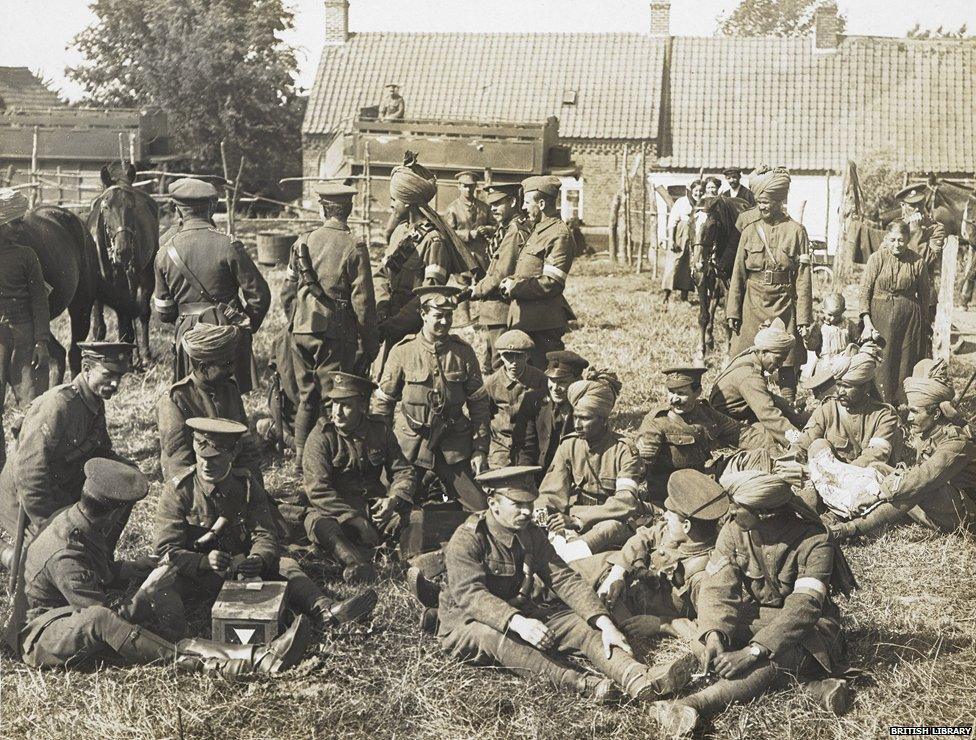
In the largest single update to Commonwealth war casualty archives in over eight decades, the identities of 9,909 British Indian Army servicemen have been restored to the global roll of honor.
LONDON — In a historic milestone for military genealogy, nearly 10,000 Indian soldiers who fought and perished during the First World War have been integrated into official Commonwealth war casualty records. The massive catalog update effectively corrects bureaucratic policies from the colonial era that kept thousands of non-battlefield deaths unrecorded for over 80 years.
Following an exhaustive, multi-year archival research campaign by dedicated historians and community volunteers, the Commonwealth War Graves Commission (CWGC) officially added 9,909 servicemen from the British Indian Army to its global casualty database.
Also Read | UAPA Crackdown: Centre Names 23 Pakistan-Based Operatives as Designated Terrorists
1. Demographics of the Recognized Soldiers
The vast majority of the newly identified servicemen hailed from the undivided Punjab province of British India—a strategic region that was subsequently fractured between India and Pakistan during the 1947 Partition.
The religious background of the 9,909 tracked individuals reflects the rich diversity of the historic regiment:
[40%] Muslims
[25%] Sikhs
[25%] Hindus
[10%] Other/Unclassified Demographics
2. Uncovering the Archives: How the Names Were Found
The multi-year project was catalyzed by members of the UK-based Punjab Heritage Association, who partnered with academic researchers to dig into deteriorating, handwritten military registers compiled right after the 1918 armistice.
3. Correcting a Century-Old Bureaucratic Omission
According to the CWGC, these thousands of servicemen were originally omitted from wartime commemoration due to rigid, localized administrative policies enforced by the British Indian Government at the time.
Under those vintage regulations, soldiers who passed away from severe combat injuries or infectious illnesses away from active frontlines or field hospitals were frequently categorized out of official Commonwealth war monument lists. The CWGC has formally overturned those century-old parameters to deliver a more inclusive, complete history of the global conflict.
4. Closure and Personal Connections for Descendants
The digitized database has already begun providing unexpected breakthroughs and emotional closure for families across the globe:
-
The Researcher’s Discovery: Jasmin Basra, a PhD researcher at the University of Greenwich working on the project, unexpectedly uncovered the listed names of her own great-great-grandfather and his brother within the Lahore registers.
-
Family Validation: Sunney Palahey, a practicing dentist from Leicester, UK, was officially notified by historians that his great-grandfather, Kesar Singh, was successfully verified and anchored into the CWGC system, validating a decades-old oral family history.
The Commonwealth War Graves Commission has confirmed it is actively deploying tracking initiatives to locate and inform more living descendants of the newly recognized 9,909 soldiers.
Also Read | UAPA Crackdown: Centre Names 23 Pakistan-Based Operatives as Designated Terrorists

