

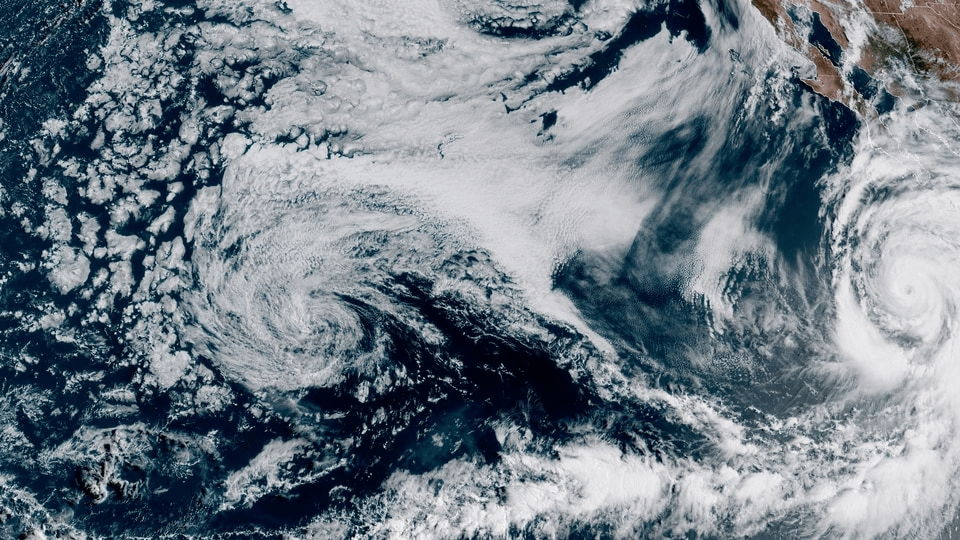
Advanced European supercomputing models track an historic breakdown of equatorial trade winds, flashing extreme drought warnings for India’s upcoming Kharif crop cycle.
The global scientific community has been thrown into a state of intense alarm following the release of unprecedented data logs from Europe’s premier weather tracking network. According to advanced macro-climate simulations published by the European Centre for Medium-Range Weather Forecasts (ECMWF) in June 2026, a massive, historic thermal anomaly is rapidly intensifying across the equatorial Pacific Ocean. Climatologists warn that this impending 2026 Super El Niño climate bomb could become the most destructive and energetically intense meteorological disruption recorded since the dawn of modern satellite tracking.
The verified data arrays indicate that sea surface temperatures (SST) across the central and eastern Pacific run the risk of surging between 3°C to 4°C above the long-term historical mean. In isolated deep-water pockets off the coastal boundaries of Peru and Ecuador, the localized thermal layers are flashing warning signals of a staggering +5°C deviation. This unprecedented pool of ocean heat threatens to permanently distort global atmospheric circulation loops, triggering an immediate threat to sub-continental monsoons, agricultural outputs, and international commodity supply chains.
Also Read | Imran Khan and Bushra Bibi Sentenced to 17 Years in Jail
Rewriting the Meteorological History Books
To understand the destructive capacity of the projected 2026 oceanic event, look at how this upcoming thermal wave compares to the three most severe baseline Super El Niño cycles of the modern era:
During standard meteorological years, robust equatorial trade winds blow consistently from east to west across the Pacific, pushing warm surface waters toward Asia and Australia while pulling up cool, nutrient-rich deep water along South America.
During the onset of this projected Super El Niño, these trade winds are simulated to entirely collapse or reverse direction. This dynamic breakdown allows a massive volume of warm water to surge eastward, blocking the cool Humboldt current and shifting the planet’s primary rain-producing cloud networks away from traditional agricultural zones.
Direct Threats to the Indian Agrarian Economy
The impending atmospheric shift places the Indian economy directly in the line of fire. India’s agricultural output, rural GDP stability, and groundwater replenishment remain closely tied to the lifecycle of the southwest monsoon.
Historical data shows a clear, inverse relationship between Pacific warming and sub-continental rainfall: as equatorial ocean temperatures rise, the pressure systems driving India’s monsoon winds systematically weaken.
| Targeted Agricultural Zone | Vulnerable Kharif Crop Vectors | Projected August/September Impact | Expected Economic Fallback |
| Maharashtra & Gujarat | Cotton, Soybeans, and coarse oilseeds. | Severe mid-season rain deficits; drying of topsoil layers. | Spikes local crop insurance claims; triggers rural debt stress. |
| Madhya Pradesh | Pulses, Maize, and regional cash crops. | Extended dry spells leading to localized wilting of early seedlings. | Forces immediate dependency on expensive government food reserves. |
| Uttar Pradesh & Rajasthan | Paddy fields and vital livestock forage. | Failure of late-stage monsoon winds; rapid depletion of local reservoirs. | Triggers high consumer food inflation across major urban centers. |
The most dangerous phase of the 2026 Super El Niño climate bomb is expected to strike between August and September. A sharp drop in rainfall during this critical grain-filling window would severely damage essential Kharif crops like paddy, maize, and soybeans.
Furthermore, the massive volume of heat trapped in the oceans could trigger record-breaking post-monsoon winter temperatures across India, leading to intense early heatwaves next spring and lowering winter wheat yields.
Also Read | Imran Khan and Bushra Bibi Sentenced to 17 Years in Jail
Global Supply Chain Dislocations
The fallout from this unprecedented Pacific warming wave will ripple far beyond the borders of the Indian subcontinent, reshaping international commodity markets and creating extreme weather divides:
This stark climate division is poised to disrupt global wholesale supply networks for sensitive soft commodities, including coffee, sugar, cocoa, and palm oil, forcing international central banks to adjust their inflation targets through the end of the decade.
The Immediate Window of Opportunity: Climatologists emphasize that while ocean temperatures have already hit these record highs, the atmosphere has not yet fully locked into the ocean’s thermal pattern. This ocean-atmosphere coupling process typically takes several weeks to solidify. If the air mass aligns with this massive reservoir of oceanic heat by mid-summer, it will lock in an unstoppable cycle of global weather extremes.
For an agrarian nation like India, the time to deploy defensive strategies is shrinking fast. Economic policymakers and agricultural ministries must act immediately—enforcing strict water conservation rules, distributing drought-tolerant seed varieties to farming cooperatives, and building up strategic national food grain stockpiles to shield the population from the looming climate shockwave.
FAQ Section
What is the 2026 Super El Niño climate bomb predicted by the ECMWF?
The 2026 Super El Niño climate bomb is a historic weather anomaly tracked by the European Centre for Medium-Range Weather Forecasts. Supercomputing models warn that sea surface temperatures in the equatorial Pacific could surge 3°C to 4°C above historical averages, marking the most intense ocean warming event in modern history.
How will this record Pacific warming impact India’s monsoon?
The intense warming of the Pacific Ocean disrupts global air currents, significantly weakening India’s southwest monsoon winds. This shift is expected to trigger severe mid-season droughts between August and September, directly threatening vital Kharif crops like paddy, maize, and soybeans.
Which countries face the greatest risk from this climate anomaly?
While India, Australia, Indonesia, and Southeast Asia face severe droughts, water scarcity, and forest fires, regions such as Peru, Ecuador, southern Brazil, and the southern United States will likely experience the opposite extreme: devastating cloudbursts and flash floods.
Also Read | Imran Khan and Bushra Bibi Sentenced to 17 Years in Jail
End….

