

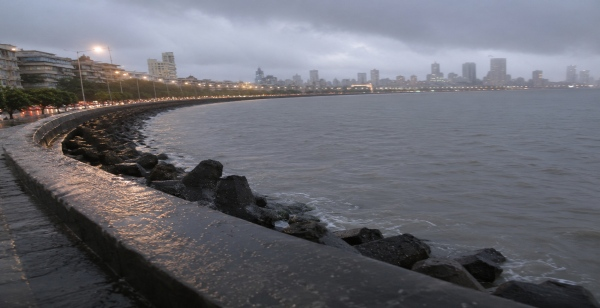
The India Meteorological Department tracks key advances over Maharashtra, Bihar, and Odisha, though climate models warn that a historic 46% national rainfall deficit still overshadows the farming sector.
The massive atmospheric networks that drive subcontinental agriculture, replenish rural water reserves, and dictate the broader economic health of the nation have finally broken out of a dangerous, two-week freeze. Issuing an official operational briefing on Monday afternoon, June 22, 2026, the India Meteorological Department (IMD) delivered its definitive IMD monsoon track updates June 2026 dispatch. The data reveals that the Southwest Monsoon has successfully advanced into new territory across the central Arabian Sea, pushing deep into parts of Maharashtra, Telangana, Karnataka, Chhattisgarh, Odisha, Jharkhand, and Bihar.
The long-awaited push provides immediate relief to coastal urban hubs and rural farming belts alike.
According to senior meteorologist Dr. Naresh, while the monsoon’s forward progress slowed down significantly between June 8 and June 21, atmospheric conditions have turned highly favorable.
Weather models indicate that the rain-heavy winds will steadily cover the remaining sections of Maharashtra—including the financial hub of Mumbai—over the next 48 hours.
Also Read | Imran Khan and Bushra Bibi Sentenced to 17 Years in Jail
The Seasonal Anatomy: Tracking Multi-State Rain Variations
The sudden revival in seasonal winds is creating a complex weather pattern across the country, dropping heavy rains on some regions while leaving others to grapple with ongoing summer heatwaves.
While the west coast prepares for steady rain, parts of the interior are facing a completely different story.
Regions that haven’t received rain are continuing to see above-normal daytime temperatures.
The IMD has extended its severe heatwave warnings for the next three to five days across Vidarbha, eastern Madhya Pradesh, Chhattisgarh, and eastern Uttar Pradesh—where temperature spikes touching 41°C to 42.6°C continue to strain local power grids.
Slicing Through the Regional Weather Patterns and Impact Matrix
The uneven return of the seasonal rains is producing dramatic differences in rainfall amounts across various states, forcing emergency management teams to stay on high alert:
| Monitored Weather Territory | Recorded 24-Hr Rain Accumulation | Active IMD Hazard Forecasts | Immediate Real-World Risk |
| Sub-Himalayan West Bengal | Extremely Heavy: Over 21 cm | Widespread rainfall all week. | High risk of localized flooding, mudslides, and traffic stops. |
| Meghalaya Hilly Belts | Very Heavy: 12 cm to 20 cm | Persistent isolated extreme spells. | Threatens rural infrastructure; raises river levels fast. |
| Konkan Coastal Strip | Steady early seasonal showers. | Heavy rain for the next 5 days. | Triggers municipal alerts for urban waterlogging. |
| Northwestern Plains | Light localized thunderstorm bursts. | Normal temperatures to persist. | Driven by mid-latitude winds; keeps heatwaves at bay. |
Also Read | Imran Khan and Bushra Bibi Sentenced to 17 Years in Jail
The Deficit Shadow: Navigating the Driest June in a Century
Despite the positive news of the monsoon’s return, agricultural experts warn that the underlying data reveals a deeply challenging season for rural communities.
The extended two-week delay has left India with a steep 46% countrywide rainfall deficit for the month of June.
The underlying text of the IMD brief shows that June 2026 is shaping up to be one of the driest periods in over 140 years of recorded weather history, matching deficits seen only during major historical droughts.
The prolonged dry spell has already delayed the sowing of essential summer crops, dried out topsoil, and run down local drinking water reservoirs.
To prevent widespread crop failures, farm scientists are urging communities to act quickly as the rains arrive, utilizing fast-maturing, drought-resistant seed varieties to make the most of the compressed season.
Five Sequence Steps Residents Must Execute to Prepare for Heavy Rains
To protect your home, preserve your belongings, and secure your family’s safety before intense rainstorms hit your neighborhood over the next 48 hours, apply this safety routine:
Ultimately, adapting to the volatile climate patterns detailed in the IMD monsoon track updates June 2026 log requires moving away from rigid, traditional seasonal expectations. While local tech teams like Bengaluru’s Sarvam design smart, independent systems to secure corporate data networks, weather experts are working around the clock to map changing global air currents.
By tracking the moving front lines of the monsoon, optimizing our water storage networks, and following official safety advisories, we can weather this slow-starting season safely.
Staying alert, updating your emergency plans early, and acting before the heavy storms hit ensures you can protect your property and family, keeping your household completely safe as the country navigates this intense summer transition.
FAQ Section
What are the main takeaways from the latest IMD monsoon track updates June 2026 briefing?
The India Meteorological Department reports that the Southwest Monsoon has broken out of its two-week stall, successfully advancing across additional parts of the central Arabian Sea, Maharashtra, Bihar, and Odisha. Conditions are highly favorable for the rain systems to cover the remaining parts of Maharashtra, including Mumbai, within the next 48 hours.
Why are agricultural experts concerned if the monsoon is finally moving forward?
The concern stems from a massive 46% countrywide rainfall deficit built up during the two-week delay. This slow start has made June 2026 one of the driest periods in 146 years of recorded weather history, drying out agricultural topsoil and delaying the planting of critical summer crops across major farming states.
Which states continue to face extreme heatwave conditions despite the rain updates?
While coastal and northeastern zones are dealing with heavy downpours, a strong high-pressure block is keeping interior regions hot and dry. The IMD has issued extended severe heatwave warnings for the next few days across Vidarbha, eastern Madhya Pradesh, Chhattisgarh, and eastern Uttar Pradesh, with temperatures hovering around 41°C to 42.6°C.
Also Read | Imran Khan and Bushra Bibi Sentenced to 17 Years in Jail
End…

