

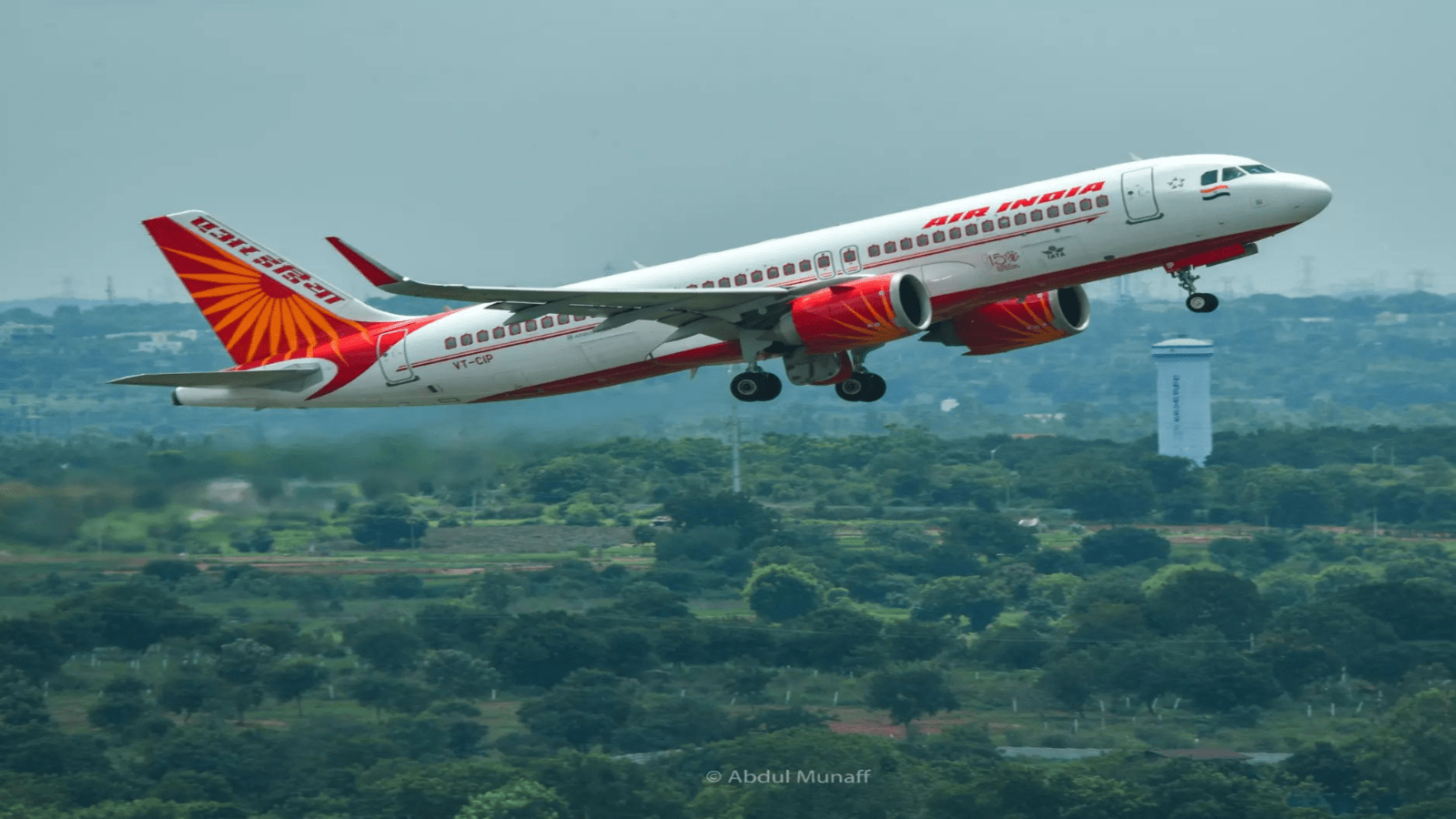
Centre Weighs Scrapping Airline-Airport Cross-Ownership Caps in Major Aviation Policy Shift
The Civil Aviation Ministry is drafting a concept note that could allow airline conglomerates like Tata’s Air India to acquire stakes in domestic airport operating companies.
NEW DELHI — The Union Government is considering relaxing cross-ownership restrictions between airlines and airport operators. The move could allow major aviation groups—such as Tata Sons-backed Air India—to acquire equity stakes in airport concessionaires across the country.
Also read | U.S. Unveils Phased Tariff Plan on Generic Drug Imports, Threatening India’s $9.7B Market
The Ministry of Civil Aviation is currently preparing a concept note to initiate inter-ministerial consultations with NITI Aayog and other key government departments, with any final regulatory changes subject to Union Cabinet approval.
1. Existing Cross-Holding Caps vs. Proposed Deregulation
Current privatisation frameworks and concession agreements place strict caps on cross-holding to prevent vertical integration between airline carriers and airport infrastructure operators.
✈️ Current vs. Proposed Cross-Ownership Framework:
 🔹 Existing Caps (Delhi & Mumbai)   ➔ Total Indian scheduled airlines capped at 10% equity; foreign carriers barred.
 🔹 Existing Caps (Noida & Navi Mumbai) ➔ Scheduled & cargo airlines capped at 26% equity in concessionaires.
 🔹 Proposed Regulatory Revision      ➔ Removal or easing of equity caps for airline investments in airport operators.
 🔹 Reverse Restriction Scope         ➔ Limits preventing airport operators (e.g., Adani Group) from owning airlines.
2. Strategic Driving Factors and Market Context
The proposed policy revision coincides with broader structural shifts across the domestic aviation ecosystem:
| Industry Dynamic | Current Status & Strategic Implications |
| Tata Group Strategy | Air India (owned 74.9% by Tata Sons and 25.1% by Singapore Airlines) seeks vertical integration into airport management. |
| Previous Precedent | A 2019 Tata-GIC bid for a 55.2% stake in GMR Airports was halted over conflict of interest with Vistara and AirAsia India stakes. |
| Airport Privatisation Round 3 | Proposal submitted to PPPAC for the next privatisation round involving 11 regional airports. |
| AAI Stake Divestment | Revisiting plans for AAI to divest its remaining 26% equity in Delhi (GMR) and Mumbai (Adani) airports. |
Key Industry Concerns & Risk Considerations
While relaxing ownership limits could bring fresh domestic capital into airport infrastructure development, industry analysts highlight several operational challenges:
Also read | U.S. Unveils Phased Tariff Plan on Generic Drug Imports, Threatening India’s $9.7B Market
Policy Outlook: If approved by the Cabinet, the relaxation would represent one of the most significant structural regulatory updates to India’s airport privatisation framework since the initial divestment of Delhi and Mumbai airports.
Also read | U.S. Unveils Phased Tariff Plan on Generic Drug Imports, Threatening India’s $9.7B Market

