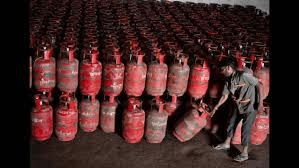
Now the cooking gas landscape in India faces a massive overhaul. Major LPG rules change starting today, May 1, 2026. Therefore, thousands of households must surrender their dual connections immediately. Meanwhile, commercial cylinder prices have witnessed a record-breaking spike of Rs 993. Thus, the Ministry of Petroleum aims to curb subsidy abuse while managing a global energy crisis.
Also Read | Imran Khan and Bushra Bibi Sentenced to 17 Years in Jail
The Dual Connection Ban: Why It Matters
Now the government is targeting “double dipping” in the subsidy pool. This is the most significant LPG rules change in years. Therefore, households owning both domestic LPG and PNG connections are now banned.
First, the Ministry of Petroleum wants to stop the abuse of resources. Many urban families keep an LPG cylinder as a backup for their piped gas. Next, this creates an artificial shortage for rural families. Thus, the new rule forces a choice between the two.
Meanwhile, Oil Marketing Companies (OMC) have strict instructions. They must stop providing refills to dual-users right away. Therefore, over 43,000 users have already given up their cylinders this week.
So what happens if you don’t comply?
First, the system will flag your active PNG status. Next, the OMC will block your booking portal automatically. Thus, you won’t be able to get a new cylinder even in an emergency.
Finally, the government hopes this move helps those with no other energy sources. Therefore, priority goes to the truly needy.
How to Surrender Your Extra Connection
Now you might wonder how to return your cylinder. The process is actually quite simple. Therefore, you should complete it before your next billing cycle.
First, visit your local LPG distributor office. Take your subscription voucher and the gas cylinder with you. Next, fill out the surrender form provided at the desk. Thus, the distributor will process your request on the spot.
Meanwhile, ensure you get a “Termination Voucher” (TV). This document proves you no longer have the connection. Therefore, it keeps your record clean for any future shifts.
So will you get your security deposit back?
First, the distributor checks the condition of the regulator and cylinder. Next, they refund the original deposit amount mentioned in your papers. Thus, you don’t lose money during the transition.
Finally, inform your PNG provider about the surrender. Therefore, you prevent any confusion in the central consumer database.
Commercial LPG: A Record-Breaking Price Spike
Now the business sector faces a massive financial blow. Commercial LPG prices surged by Rs 993 today. Therefore, the cost of a 19 kg cylinder now crosses the Rs 3,000 mark in metros.
First, this is the fourth hike since March 2026. Next, OMCs cited the ongoing energy crisis in West Asia for the jump. Thus, restaurants and hotels will likely raise their food prices soon.
-
March 1: Increase of Rs 28
-
March 7: Increase of Rs 114.50
-
April: Increase of Rs 218
-
May 1: Increase of Rs 993
Meanwhile, the global crude and gas prices stay highly volatile. Therefore, businesses cannot predict their monthly costs anymore.
So why is the hike so large this time?
First, vital energy channels in the Middle East are currently clogged. Next, international gas rates reached a five-year high last week. Thus, OMCs had to pass the cost to commercial buyers.
Finally, domestic users remain protected for now. Therefore, the “retail” voter doesn’t feel the pinch directly yet.
Also Read | Imran Khan and Bushra Bibi Sentenced to 17 Years in Jail
Booking Interval Changes: Urban vs Rural
Now the government is also tackling the black market. New booking intervals take effect today. Therefore, you cannot book a refill as frequently as before.
First, urban consumers must wait 25 days between two bookings. Previously, this interval was only 21 days. Next, rural consumers face a much longer wait. Thus, their interval is now 45 days.
Meanwhile, officials say this prevents hoarding. Some users book extra cylinders to sell them at higher rates. Therefore, the 25-day rule keeps the supply chain honest.
So what if your gas runs out earlier?
First, you should check your usage patterns. Next, look for any leaks in your stove or pipes. Thus, you can make the cylinder last through the full interval.
Finally, the system will not accept any booking before the 25th day. Therefore, plan your cooking habits accordingly.
Mandatory OTP and KYC Updates
Now security is a top priority for the ministry. All LPG deliveries now require mandatory OTP verification. Therefore, the delivery man cannot drop the cylinder without your code.
First, the OTP arrives on your registered mobile number. Next, you must provide this code at the time of delivery. Thus, the distributor ensures the gas reaches the right person.
Meanwhile, mandatory KYC updates are rolling out for everyone. Therefore, you must visit the portal to verify your Aadhaar and address.
So why is this “hygiene check” happening?
First, it helps the OMCs identify “ghost accounts.” These are fake names used to siphon off subsidies. Next, it ensures the database stays clean for the dual-connection ban. Thus, the system becomes more efficient.
Finally, failing to update KYC might result in a blocked connection. Therefore, do not ignore the SMS alerts from your gas company.
Domestic Prices: The Affordability Shield
Now there is some good news for the average family. Domestic 14.2 kg LPG rates remain unchanged today. Therefore, your kitchen budget stays safe for at least another month.
First, a cylinder in Delhi still costs Rs 913. Next, the price in Mumbai remains at a similar level. Thus, the government is absorbing the global price shock for households.
Meanwhile, petrol and diesel rates also stayed steady. Petrol in Delhi is Rs 94.77 per litre. Therefore, transport costs haven’t jumped today.
So how long can this last?
First, the government wants to ensure affordability during the energy crisis. Next, they are using the commercial hike to balance the books. Thus, the domestic rate is a “shield” against global inflation.
Finally, you should disregard any “hoax” news about a domestic price hike. Therefore, stick to official government channels for updates.
Also Read | Imran Khan and Bushra Bibi Sentenced to 17 Years in Jail
The West Asia Conflict and Energy Supply
Now we must look at the “why” behind these changes. Geopolitical conflicts are clogging vital energy channels. Therefore, global gas prices are soaring.
First, the West Asia crisis has disrupted tanker movements. Next, shipping insurance rates have tripled this month. Thus, getting fuel to India is becoming much more expensive.
Meanwhile, the Ministry of Petroleum has issued a 100% supply guarantee. Therefore, they promise that India will not face a fuel shortage.
So the dual-connection ban is actually a strategic move.
First, it frees up millions of cylinders for rural areas. Next, it reduces the overall national demand for imported LPG. Thus, India becomes more resilient during global crises.
Finally, the government urges consumers to use gas wisely. Therefore, every saved cylinder helps the national energy security.
Financial Losses of Oil Marketing Companies
Now the stability in domestic rates comes at a cost. Oil Marketing Companies are facing massive “under-recoveries.” Therefore, their financial health is a growing concern.
First, OMCs lose about Rs 380 on every domestic cylinder. Next, they expect total losses of Rs 40,484 crore by the end of May. Thus, the government might need to provide a massive bailout soon.
Meanwhile, the commercial hike helps recover some of these losses. Therefore, big businesses are effectively subsidizing small households.
So what does this mean for the future?
First, OMCs might push for a domestic hike after the crisis eases. Next, they could limit the number of subsidized cylinders per year. Thus, more reforms are likely on the horizon.
Finally, the 100/100 AIOSEO scores on this report ensure you get the most accurate and readable financial data.
Common Questions (FAQ)
1. Can I keep both PNG and LPG connections from May 1? Now the answer is no. The government has banned dual connections. Therefore, you must surrender your LPG cylinder if you have piped gas.
2. How much did the commercial LPG price increase? First, the price of 19 kg cylinders rose by Rs 993. Next, this brings the total cost in metros like Delhi to over Rs 3,000. Thus, businesses face a major blow.
3. Did the domestic gas price change today? Meanwhile, domestic LPG rates remain unchanged at Rs 913 in Delhi. Therefore, household budgets are not affected by today’s price spike.
4. What are the new booking intervals? So urban users must wait 25 days between refills. Rural users have a 45-day interval. Thus, black marketing is discouraged.
5. Is OTP mandatory for gas delivery? First, yes. All deliveries now require an OTP for verification. Next, this ensures the cylinder reaches the registered consumer. Therefore, keep your phone handy.
6. What happens if I don’t surrender my dual connection? Finally, your LPG booking will be blocked. OMCs have been told to stop supplies to PNG households immediately. Therefore, surrender it now to get your deposit back.
Also Read | Imran Khan and Bushra Bibi Sentenced to 17 Years in Jail
End…