

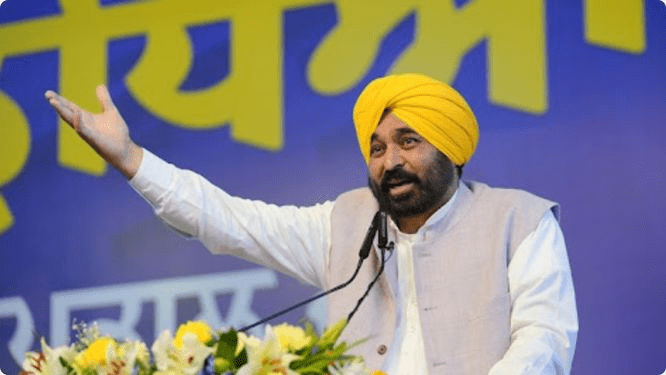
Now the Punjab government rolled out massive medical relief across the state. Bone and joint treatments under the Mukh Mantri Sehat Yojana crossed Rs 84 crore recently. Therefore, thousands of families face lower out-of-pocket medical bills today. The public health infrastructure handles record surgical volumes daily. Meanwhile, total statewide registrations crossed the 45-lakh mark this month. That shows an unprecedented reliance on state-backed cashless care.
Also Read | Imran Khan and Bushra Bibi Sentenced to 17 Years in Jail
The Rising Cost of Bone and Joint Care
Now the State Health Agency monitors explosive spending patterns. The new data shows a major spike in skeletal issues. Therefore, orthopaedic interventions represent the costliest component of public care. This health pattern alters the fiscal priorities of local administrative bodies.
Officials say the trend reflects wider healthcare availability. Previously, expensive surgeries remained confined to luxury private facilities. Meanwhile, public healthcare centers now deliver advanced bone management seamlessly.
“We observe heavy demand for joint repairs,” an agency coordinator noted Tuesday. Thus, regular workers gain access to complex procedures without paying cash upfront. The Mukh Mantri Sehat Yojana absorbs these massive clinical costs directly.
Surgical Trajectory
First, baseline trauma numbers grew over the past year. Road accidents and industrial mishaps drive immediate surgical operations daily. Therefore, hospitals need steady supplies of plates, nails, and pins.
Next, specialized government clinics expanded their operational capacity. District units now feature upgraded orthopedic wards. Instead of traveling long distances, rural patients receive local treatment.
Finally, total public spending reached Rs 84 crore this week. Thus, the administration tracks a record volume of successful recoveries. The fiscal momentum shows no signs of slowing down anytime soon.
Why Volume Exploded
So the government blames modern lifestyle changes for joint decay. Metabolic issues accelerate bone breakdown among vulnerable groups. Still, expanded diagnostic screening also drives the statistical increase.
Now medical officers diagnose hidden cartilage damage much faster. State facilities utilize advanced scanning technology routinely. Meanwhile, older individuals feel confident seeking medical support early.
The Current Landscape
First, the government launched the medical card framework in January. Then, public registration drives covered millions of homes quickly. Now, heavy surgical demands stress institutional funding pipelines. Finally, the state promises expanded financial allocations to cover the deficit.
That keeps the healthcare safety net fully operational.
District Breakthroughs: Ludhiana and Patiala Lead
Now let’s examine specific geographical tracking points. High registration rates cluster around industrial urban centers. Therefore, regional infrastructure differences influence the volume of medical claims.
The Ludhiana Surge
First, Ludhiana district records over 4.8 lakh direct beneficiaries. The manufacturing hub generates high numbers of work-related injury cases. Therefore, local surgical teams manage extreme workloads every week.
So if a laborer suffers a bone break:
-
Emergency admission occurs immediately
-
The hospital checks the digital health database
-
Specialized implants arrive within hours
Total cost to the worker: zero. The system functions efficiently.
Patiala’s High Enrolment
Next, Patiala district logs approximately 4.1 lakh active health profiles. The presence of premier training institutes draws complex cases from nearby villages. Thus, Rajindra Hospital becomes a central hub for orthopaedic operations.
So one regional hospital handling thousands of bone cases? Covered. Dozens of remote rural outposts directing trauma traffic there? Covered.
Who Utilizes the Scheme
Meanwhile, agrarian communities utilize the Mukh Mantri Sehat Yojana heavily. Hard manual labor accelerates joint degeneration over decades. Therefore, elder farmers need medical intervention to preserve their livelihood.
Also, low-income urban families escape heavy medical inflation completely. Still, state administrators watch for artificial demand spikes. Thus, strict diagnostic criteria protect public resource pools.
Finally, any registered citizen secures free treatment up to the limit. No exceptions. Period.
The Registration Threshold
Now official figures document 45 lakh successful enrolments across Punjab. That represents a significant portion of the total provincial population. Therefore, public awareness campaigns achieved their primary goals.
Is this network stable? Yes. Will it require more staff? Definitely.
The Ageing Population and Mobility Shifts
Now let’s review the changing demographic landscape. The broader community faces structural changes in physical mobility. Therefore, chronic degenerative conditions require sustained institutional responses.
Degenerative Joint Diseases
First, cartilage deterioration affects senior citizens severely. Restricted movement cuts productivity and dampens overall life quality. Therefore, public hospitals encounter high volumes of severe osteoarthritis cases.
Next, bone density losses elevate hip fracture dangers significantly. A simple trip can shatter fragile skeletal structures. Thus, emergency response units prioritize rapid orthopedic stabilizing methods.
Then, joint friction limits regular daily tasks. Simple walking requires immense physical effort from elderly patients. Therefore, clinical guidelines focus on restoring basic independent movement.
Finally, the state tracks these shifting public health realities. Advanced age should not equal permanent immobility. Thus, public policy shifts resources toward long-term corrective operations.
Historical Public Health Shift:
The exponential rise in orthopaedic cases marks a transition from managing infectious diseases to addressing chronic, age-related mobility conditions among Punjab’s citizens.
Institutional Adaptation
So public wards adjust to handle older patient demographics. Post-operative care requires careful nursing attention over several weeks. Still, the current system absorbs the pressure adequately.
Now specialized physical therapists join district hospital staff teams. Active rehabilitation prevents long-term joint stiffness after surgery. Corporate style management improves public healthcare efficiency.
Gone. The days of permanent physical disability due to poverty are ending.
Also Read | Imran Khan and Bushra Bibi Sentenced to 17 Years in Jail
Case Study: Factory Accident Recovery in Patiala
Now personal narratives bring these statistical summaries to life. The physical toll of bodily injury alters individual lives completely. Therefore, individual success stories demonstrate the true impact of the Mukh Mantri Sehat Yojana.
Consider 43-year-old Gulshan Taneja from Khera Gajju near Rajpura.
The Industrial Accident
First, Taneja suffered a severe injury while operating factory machinery. Chronic knee inflammation followed the initial trauma almost immediately. Therefore, normal factory duties became impossible to perform.
So walking required intense physical concentration every day. Sudden shooting pains stopped him mid-step regularly. Thus, he relied on nearby structures just to maintain physical balance.
Meanwhile, persistent joint stiffness locked his leg unpredictably. He hesitated before standing up from a seated position. Therefore, economic anxiety compounded his physical suffering.
The Clinical Intervention
Now emergency services brought him to Rajindra Hospital in Patiala on May 6. Diagnostic scans confirmed a major internal ligament tear. Therefore, the medical team scheduled immediate corrective surgery.
So surgeons performed the delicate joint reconstruction on May 7. The complex operation required specialized medical instruments. Thus, the total procedural bill reached Rs 86,750.
The Economic Relief
Still, the entire cost fell under the Mukh Mantri Sehat Yojana framework. The electronic card cleared the financial obligation instantly. Therefore, the family avoided predatory high-interest informal loans.
“The health card saved our household,” Taneja stated during post-op evaluation. He returned home safely on May 12 without debt fears. Thus, the recovery process remains free from crushing financial stress.
Think again if you believe public care fails regular people.
How Cashless Implants Limit Household Debt
Now medical devices represent a major threat to household stability. Orthopedic procedures rely heavily on high-grade internal hardware. Therefore, managing implant procurement costs remains essential for poverty reduction.
The Price of Hardware
First, titanium hip joints cost more than average monthly incomes. Specialized bone plates drain family savings accounts rapidly. Therefore, the uninsured often choose permanent disability over medical treatment.
So the Mukh Mantri Sehat Yojana addresses this procurement gap directly. The state buys quality hardware in large bulk orders. Thus, patients receive top-tier implants without paying premium retail prices.
Meanwhile, public tracking systems prevent corruption in device distribution. Every artificial joint features a unique digital tracking code. Therefore, institutional waste declines significantly across the board.
What Procedures Take the Highest Share
Now statistical records clarify where the money goes. Specific operations consume the largest portion of the Rs 84 crore fund. Therefore, resource allocation aligns with these verified clinical needs.
| Procedure Type | Share of Fund | Primary Target Group |
| Knee Replacements | Highest Share | Ageing Population (Degenerative) |
| Hip Surgeries | Substantial Share | Senior Citizens (Trauma/Falls) |
| Fracture Fixation | Large Share | All Age Groups (Accidents/Implants) |
So knee replacements lead the statistical tables comfortably. Worn joint surfaces require complete modern resurfacing. Thus, senior citizens reclaim their physical independence safely.
Next, hip operations manage severe ball-and-socket failures. These delicate interventions require highly trained surgical experts. Therefore, tertiary centers handle the bulk of these complex placements.
Finally, fracture fixations dominate emergency trauma care. Quick stabilization saves damaged limbs from long-term nerve death. Thus, the system preserves productivity for the young workforce.
Also Read | Imran Khan and Bushra Bibi Sentenced to 17 Years in Jail
Health Minister Outlines the Operative Strategy
Now policy leaders endorse the expanding medical net openly. Structural improvements aim to modernize existing state facilities. Therefore, ministerial oversight ensures long-term operational transparency.
Punjab Health Minister Balbir Singh addressed the media recently.
Addressing the Surge
First, the minister acknowledged the exponential rise in joint disorders. Structural health changes demand immediate expansion of surgical infrastructure. Therefore, the state prioritizes accessible operative care.
“We must buttress our public hospital networks,” Singh emphasized during the health summit. Cashless knee, hip, and trauma options protect thousands of vulnerable citizens. Thus, administrative choices focus on reducing baseline household hardship.
Meanwhile, the state procures new diagnostic equipment worth Rs 200 crore. Every district hospital will host modern MRI facilities this year. Therefore, pre-surgery evaluation times will drop significantly.
How to Access Cashless Care Benefits
Now application protocols remain simple for general public ease. Clear guidelines ensure swift access during unexpected medical crises. Therefore, every family should secure enrollment ahead of time.
The Enrolment Steps
First, confirm your local residential status. You need an active Aadhaar card and a valid voter identity document. Therefore, gather these primary items today.
Next, visit an official state enrolment camp. The administration operates thousands of digital registration kiosks weekly. Thus, generating your personal Sehat Card takes minimal time.
Then, present the digital card during hospital admission. The internal desk verifies your coverage status electronically. Therefore, the pre-authorization process occurs automatically.
Finally, receive complete treatment and sign the discharge paper. The hospital bills the State Health Agency directly. That’s it. Simple as that.
What Happens Next
Now administrative teams plan the next phase of expansion. The universal health model draws national attention. Therefore, local systems expect higher patient inflows next quarter.
System Upgrades
First, nine new medical colleges will open soon. These institutions will increase the total number of available orthopedic specialists. Therefore, surgical wait times will drop across remote zones.
Next, critical care blocks will launch across 22 districts. These 50-bed units will manage extreme trauma cases exclusively. Thus, general operating rooms will focus on planned joint replacements.
Finally, AI-enabled diagnostic networks will go live next month. Smart screening tools will spot bone structural failures before complete joint collapse occurs. Therefore, early preventive care becomes a reality.
Not quite convinced? The data speaks for itself.
Frequently Asked Questions
Now let’s resolve specific operational questions regarding the scheme.
Who is eligible for the Mukh Mantri Sehat Yojana?
Any permanent resident of Punjab holding an Aadhaar card and voter identity document qualifies. No exceptions.
What is the maximum annual coverage limit?
The scheme offers up to Rs 10 lakh in cashless medical treatment per family every year.
Are private hospitals included in the orthopaedic network?
Yes. Multiple empanelled private medical colleges and nursing homes deliver cashless services under state guidelines.
Does the card cover the cost of surgical implants?
Yes. Bone plates, joint prosthetics, and titanium implants fall under approved package coverages completely.
How much do patients pay for post-surgery medicines?
Nothing. Approved packages include pre- and post-hospitalization medications within specified time frames.
Can out-of-state accidents receive coverage?
Treatment must occur within empanelled hospitals located inside Punjab boundaries to claim cashless benefits.
How do I check my registration status online?
Citizens can log into the official State Health Agency portal using their Aadhaar-linked mobile number.
Wrong choices cause financial distress. Register your family today.
Also Read | Imran Khan and Bushra Bibi Sentenced to 17 Years in Jail
End…

