As India gears up for its largest-ever push against cervical cancer, a question has surfaced among parents: If children are entering puberty earlier than ever—sometimes as young as 8 or 9—why is the government targeting 14-year-olds for its free vaccination drive?
Top gynecologists and public health officials argue that while early puberty is a biological reality, the “window of opportunity” for HPV protection is defined not by the onset of menstruation, but by the avoidance of the virus itself.
Also Read | Imran Khan and Bushra Bibi Sentenced to 17 Years in Jail
Why Age 14? The Science of “HPV-Naive” Protection
The Human Papillomavirus (HPV) is primarily transmitted through intimate skin-to-skin contact. To be 90-100% effective, the vaccine must be administered while a person is “HPV-naive”—meaning they have not yet been exposed to the virus through sexual activity.
-
Strategic Timing: In India, the vast majority of 14-year-old girls have not yet made their “sexual debut.”
-
Immune Response: While the immune system is most robust at ages 9-12, clinical evidence shows that a 14-year-old’s immune system still generates a powerful and durable response to the vaccine.
-
The WHO Range: The World Health Organization (WHO) identifies the 9 to 14 age bracket as the primary target for cervical cancer elimination.
The Single-Dose Strategy: Practicality Meets Proof
One of the biggest shifts in 2026 is the adoption of a single-dose regimen.
-
Evidence: Major studies in India, Kenya, and Costa Rica have shown that a single dose provides protection comparable to the multi-dose schedule for over a decade.
-
Logistics: Managing a two-dose schedule for 1.2 crore girls annually is a massive hurdle. A single-shot campaign ensures higher compliance, as there is no risk of “drop-outs” for the second appointment.
Also Read | Imran Khan and Bushra Bibi Sentenced to 17 Years in Jail
Implementation: The U-WIN Platform and Schools
The “Swastha Nari” mission will not be a typical hospital-bound drive.
-
Location: Schools will serve as the primary hubs, with government health centers (Ayushman Arogya Mandirs) acting as fallback points.
-
Tracking: All vaccinations will be recorded on the U-WIN digital platform, allowing for a seamless electronic record of a girl’s immunization status.
-
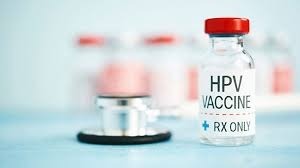
Procurement: India has secured 2.6 crore doses of Gardasil 4 through Gavi, the Vaccine Alliance, ensuring a steady supply for the next two years.
Reality Check
The government is providing Gardasil 4, which protects against the two most common cancer-causing strains (16 and 18). Still, there is a “Gardasil 9” available in the private market that covers five additional high-risk strains. Therefore, while the free shot provides roughly 80-85% protection against cervical cancer in India, it is not “total” protection. In fact, even vaccinated women must continue to undergo regular screenings (Pap smears) after the age of 25.
The Loopholes
The drive is “voluntary.” In fact, this is a “social-stigma loophole”—by not making it mandatory, the government avoids pushback from groups who incorrectly link the vaccine to early sexual activity. Therefore, the success of the drive depends entirely on the effectiveness of the 90-day awareness campaign. Still, the “School Enrollment” loophole remains; reaching “out-of-school” girls in rural pockets will be the true test of the program’s equity.
Also Read | Imran Khan and Bushra Bibi Sentenced to 17 Years in Jail
What This Means for You
If you have a daughter turning 14 in 2026, take the free shot. First, realize that at the private market rate of roughly ₹4,000 per dose, this is a significant financial benefit. Then, if your daughter has already received a single dose privately, she is likely already protected, but you should consult your pediatrician about whether the “U-WIN” record requires a fresh entry.
Finally, understand that the vaccine is preventive, not curative. It will not treat an existing HPV infection. You should encourage open dialogue about health and safety without letting the “sexual transmission” aspect of the virus create a barrier to cancer prevention. Before the drive begins in March, check the U-WIN portal or your local school’s notice board for the specific “designated vaccination days.”
What’s Next
The formal launch of the 90-day mega drive is expected in the first week of March 2026. Then, health camps will be organized across schools and community centers. Finally, look for the rollout of the indigenous “Cervavac” vaccine later in the year, which is expected to further lower procurement costs for future cohorts.
Also Read | Imran Khan and Bushra Bibi Sentenced to 17 Years in Jail