Prolonged artificial intelligence software hurdles have reportedly pushed the innovative “B798” wearable back by a year, anchoring a massive 20th-anniversary hardware lineup.
Apple’s ambitions to dominate the ambient AI wearable market are undergoing a timeline shift. According to a new report from Bloomberg’s Mark Gurman, Apple has pushed back the launch of its highly anticipated camera-equipped AirPods from their original 2026 target to late 2027.
Internal production logs indicate that the delay stems directly from Apple’s ongoing infrastructure struggles with its AI software stack. Developing the specialized visual models required to seamlessly parse real-time environments proved more complex than engineering teams initially expected, forcing the company to stretch its hardware incubation window.
Most Popular : –
- SpaceX Overtakes Amazon as World’s 5th Most Valuable Company After Historic IPO Surge
- No iPhone 18 in 2026? Key Supplier Hints at Apple’s New Split Launch Strategy
- Christopher Nolan, Matt Damon, and Tom Holland to Visit Mumbai for ‘The Odyssey’ India Premiere
- Petrol Bombs Hurled at Ranchi RSS Office Days After Stone-Pelting on Mohan Bhagwat’s Train
- ‘Operation Tiger’: Shiv Sena (UBT) Alleges ₹50-Crore Poaching Offers Made to Six MPs
                         [Apple Wearable & AI Roadmap]
                                       │
        ┌──────────────────────────────┴──────────────────────────────┐
        ▼                                                             ▼
 [Late 2027 Launch Window]                                     [Siri Visual Integration]
 • Camera AirPods (Code B798)                                  • Real-time scene parsing
 • 2nd-Gen Foldable iPhone                                     • Contextual walking directions
 • 20th-Anniversary iPhone Series                              • Instant object & text queries
Giving Siri the Power of Sight
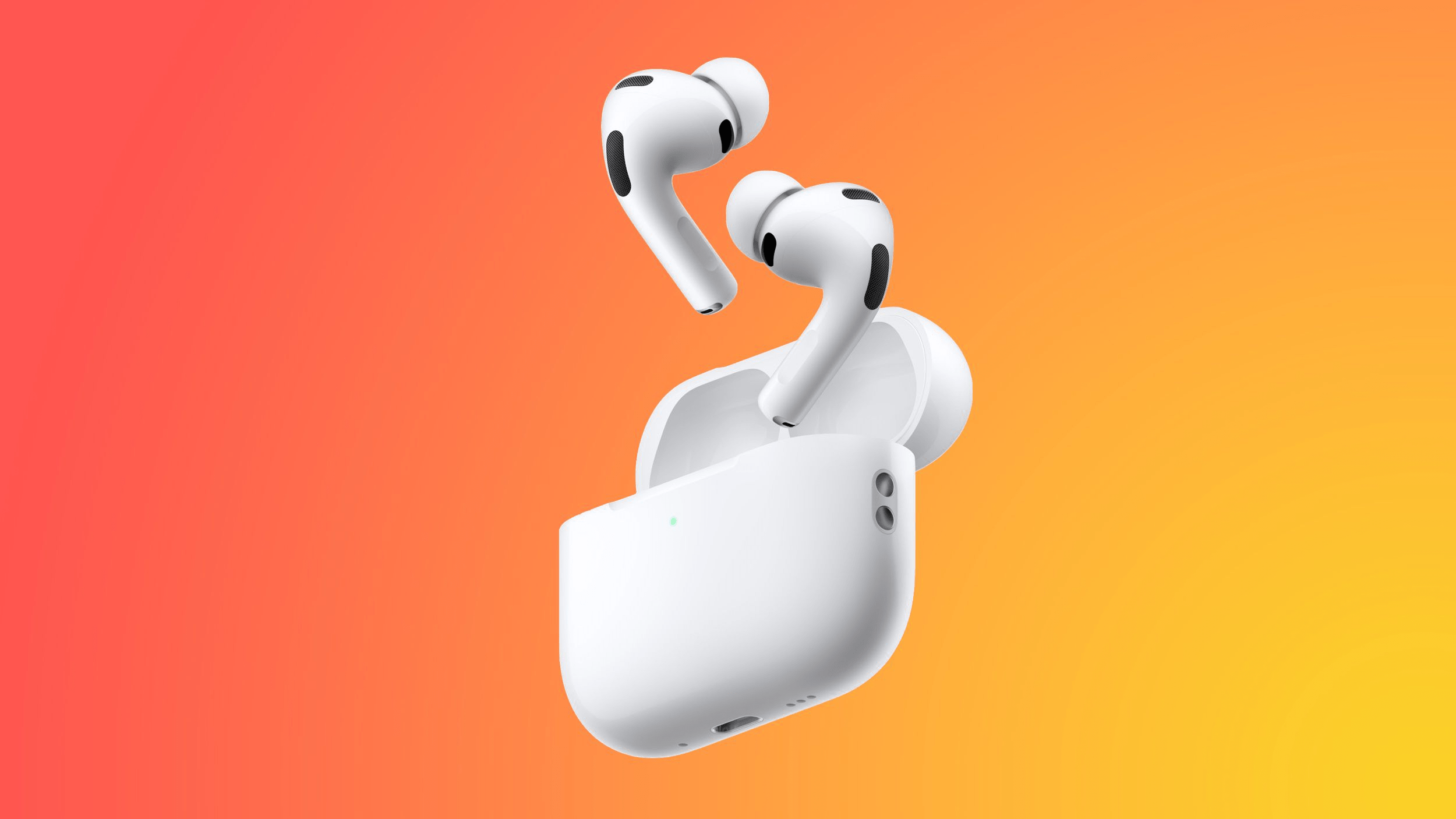
Code-named B798, the new AirPods are built from the ground up to serve as the physical data collectors for a significantly upgraded version of Siri. Rather than capturing high-resolution photos or media for a user’s camera roll, the onboard sensors function more like depth and spatial infrared modules.
The hardware profile mimics the existing AirPods Pro blueprint, keeping changes confined to two distinct physical additions:
Stem-Embedded Sensors: Tiny low-power lenses placed along the lower chassis gather continuous environmental data.
Privacy Indicator Lights: A physical external LED light will glow whenever data packets are streaming to the cloud, warning nearby individuals that the device is actively processing visual information.
When active, the system allows Siri to act as an on-the-go contextual assistant. A user can peer at grocery items on a kitchen counter, and the voice assistant will analyze the ingredients to construct a dinner recipe. Beyond meal prep, the system is designed to provide real-time translation, recognize landmarks to optimize turn-by-turn walking routes, and deliver alerts based on what the wearer looks at.
A Massive Late 2027 Ecosystem Convergence
The shifted timeline stacks the camera-bearing AirPods into what is shaping up to be Apple’s most significant hardware release window since the original iPhone launch in 2007. The late 2027 cycle will see these smart earbuds debut alongside a major premium tier smartphone overhaul.
                      [Late 2027 Flagship Chip Infrastructure]
                                         │
                        ┌────────────────┴────────────────┐
                        ▼                                 ▼
             [Anniversary Pro Models]          [2nd-Gen Foldable Flagship]
             • Code V73 and V74                • Direct lineup continuation
             • Curved glass wrap-around        • Reinforced hinge mechanism
                        │                                 │
                        └────────────────┬────────────────┘
                                         ▼
                             [2nm 'Naxos' A21 Processor]
                             • Unified architecture node
                             • Extreme local AI model computing
By deploying the camera AirPods alongside its anniversary generation, Apple aims to deliver an interconnected AI ecosystem where the local processing of spatial environments, smart glasses, and foldable phone form factors operate on a single, unified silicon architecture.
SECTION 4 — FAQ
Q1: Can the new camera-equipped AirPods be used to record video or take family photos?
No. The embedded sensors are built strictly for machine learning context. They gather depth data, shapes, and text to help Siri parse environment dynamics, rather than generating traditional media files for user storage.
Q2: How will people around me know if the AirPods are actively scanning the room?
Apple has integrated a physical exterior indicator light into the stem design. The light automatically illuminates whenever visual data processing nodes go live or transmit info, acting as a clear privacy signal to the public.
Q3: Why did Apple delay the camera AirPods if the hardware design is already mature?
While physical prototypes are deep in internal employee testing, Apple’s core software engineers required a longer development runway to polish the underlying visual AI models. This extra time ensures Siri can accurately identify diverse objects in variable lighting conditions before launch.
Most Popular : –
- SpaceX Overtakes Amazon as World’s 5th Most Valuable Company After Historic IPO Surge
- No iPhone 18 in 2026? Key Supplier Hints at Apple’s New Split Launch Strategy
- Christopher Nolan, Matt Damon, and Tom Holland to Visit Mumbai for ‘The Odyssey’ India Premiere
- Petrol Bombs Hurled at Ranchi RSS Office Days After Stone-Pelting on Mohan Bhagwat’s Train
- ‘Operation Tiger’: Shiv Sena (UBT) Alleges ₹50-Crore Poaching Offers Made to Six MPs