

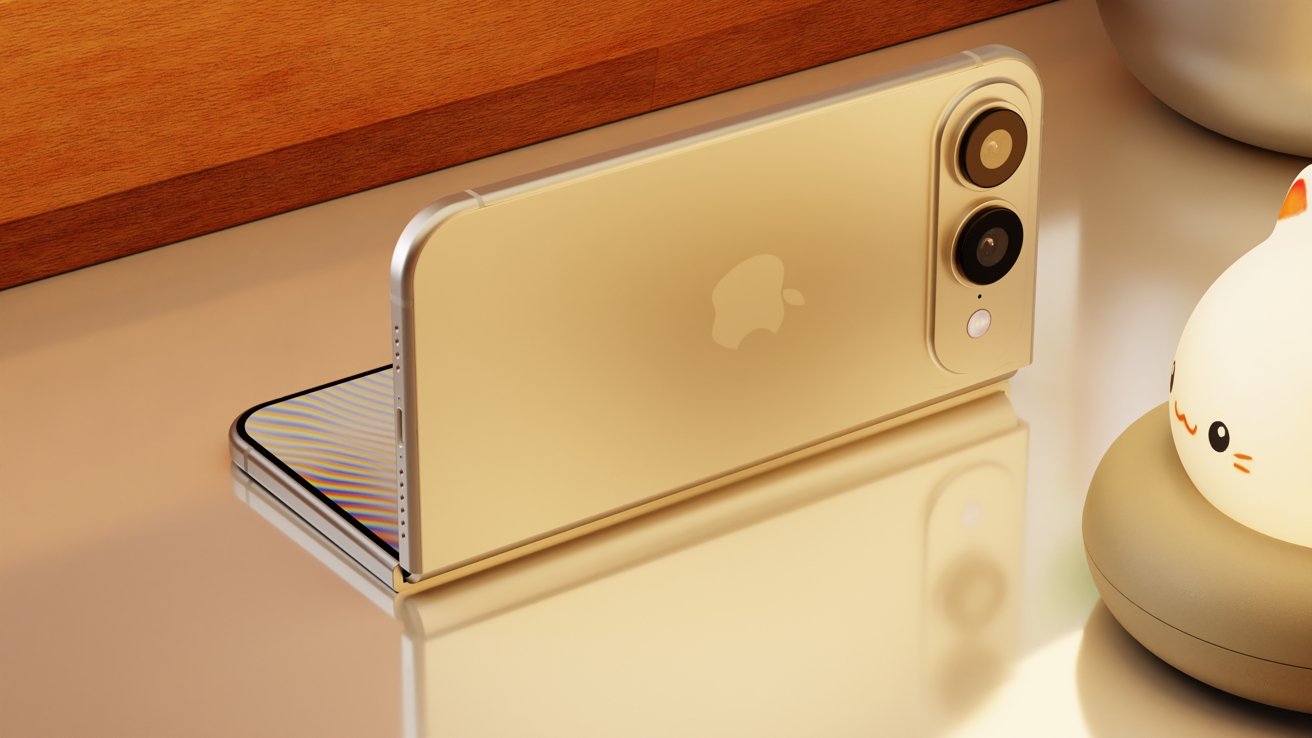
The wait for a foldable Apple device is nearing its end. As of Friday, March 20, 2026, supply chain reports indicate that Apple is preparing its most radical hardware shift since the iPhone X. The 2026 lineup isn’t just about new phones; it’s about a new calendar.
Also Read | Imran Khan and Bushra Bibi Sentenced to 17 Years in Jail
iPhone Fold: The “Crease-less” Ambition
Apple’s entry into the foldable market is focused on one goal: eliminating the visible crease that has plagued competitors like Samsung.
-
Displays: A 5.5-inch outer screen for one-handed use and a massive 7.8-inch inner OLED that essentially transforms the phone into an iPad mini.
-
Biometrics: Surprisingly, the Fold may skip Face ID for a Touch ID sensor integrated into the power button, allowing for a thinner chassis (rumored at just 4.5mm when unfolded).
-
Price: Analysts warn of a “luxury” entry point, with estimates starting at $2,000 to $2,400.
iPhone 18 Pro: The 2nm Revolution
While the Fold grabs the headlines, the iPhone 18 Pro and Pro Max will be the performance leaders. They will be the first to feature the A20 Pro chip, manufactured using TSMC’s cutting-edge 2nm process.
-
Camera: A new variable aperture system on the 48MP main lens will allow users to physically adjust light intake, bringing professional-grade “bokeh” to mobile photography.
-
Design: Expect a narrower Dynamic Island (up to 35% smaller) as Apple moves the Face ID flood illuminator beneath the display.
Also Read | Imran Khan and Bushra Bibi Sentenced to 17 Years in Jail
The 2027 Spring Launch: Base 18 & iPhone Air 2
In a major departure from tradition, the “affordable” models are being pushed back. The standard iPhone 18 and the rumored iPhone 18e are expected in March 2027.
-
The “Air” Successor: After the 2025 debut of the ultra-thin iPhone Air, an iPhone Air 2 is also tipped for this spring window, potentially featuring a dual-camera system in a 5.6mm body.
Reality Check
The “split launch” is a risky move. By delaying the base iPhone 18 until March, Apple risks losing the crucial holiday sales window for its most popular models. However, this strategy allows the company to focus its production capacity on the high-margin iPhone Fold and Pro models, which are expected to face supply constraints due to the complexity of 2nm chip manufacturing.
The Loopholes
Apple claims the iPhone Fold is “creaseless.” In fact, this is a “Perception Loophole”—while the crease may be invisible to the eye under most lighting, it is physically impossible to fold a screen without some mechanical stress. Still, the “A20 Loophole” remains; while 2nm chips are 30% more efficient, the 50% increase in manufacturing costs means these savings may not result in a cheaper phone, but rather a “price-protected” high-end tier.
Also Read | Imran Khan and Bushra Bibi Sentenced to 17 Years in Jail
What This Means for You
If you are planning to upgrade this year, check your budget early. First, realize that if you want a new iPhone in September, you will likely be forced to choose between the $1,099 Pro or the $2,000+ Fold.
Then, if you prefer the standard, more affordable iPhone, understand that your current phone needs to last until Spring 2027. Finally, understand that Touch ID’s return on the Fold isn’t a “downgrade” but a space-saving necessity; if you are a die-hard Face ID fan, stick with the Pro series.
What’s Next
Expect the first CAD (Computer-Aided Design) leaks of the iPhone Fold to surface by June 2026. Then, look for Apple’s WWDC 2026 in June to showcase “foldable-optimized” features in iOS 20. Finally, expect pre-orders for the iPhone 18 Pro to open on September 18, 2026, with the Fold potentially following in a separate “Winter Event.”
Also Read | Imran Khan and Bushra Bibi Sentenced to 17 Years in Jail
End…


