
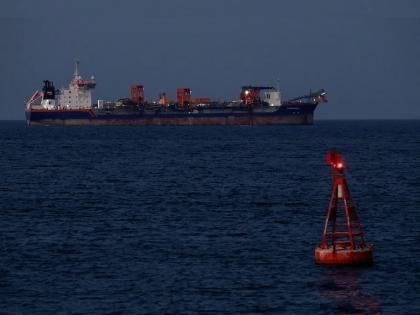
India’s “Strategic Autonomy” has just paid its biggest dividend of the 2026 energy crisis. On Saturday, March 14, 2026, the first of two Indian-flagged LPG carriers are beginning their journey out of the Persian Gulf after being granted safe passage by Iranian authorities.
This development is the direct result of intense “telephone diplomacy.” Within hours of Prime Minister Narendra Modi speaking with Iranian President Masoud Pezeshkian, and External Affairs Minister S. Jaishankar coordinating with his counterpart Seyed Abbas Araghchi, the maritime blockade for Indian vessels began to thaw. For a nation currently reviving coal and kerosene stoves due to cooking gas shortages, these two ships represent a vital pulse of hope.
Also Read | Imran Khan and Bushra Bibi Sentenced to 17 Years in Jail
The Modi-Pezeshkian Dialogue: Priority on Energy
The conversation between the two leaders was their first since the Iran-US conflict escalated on February 28.
-
National Interest: PM Modi articulated that “uninterrupted flow of goods and energy” is India’s top priority.
-
Civilian Concerns: He also expressed concern over the damage to civilian infrastructure and the loss of lives in the region, maintaining India’s balanced stance.
The “Friendship” Dividend: Why India Got a Pass
While most global shipping remains stalled or targeted, India has been granted an exception.
-
Strategic Assistance: Ambassador Mohammad Fathali noted that India helped Iran in “different fields” after the war began.
-
Diplomatic Goodwill: By staying in touch with Tehran while others severed ties, India has positioned itself as a “friend” with a “common fate,” allowing it to bypass the blockade that has crippled 20% of the world’s LPG flow.
LPG Crisis Relief: Easing the Domestic Shortage
The two carriers are arriving at a critical juncture for the Indian consumer.
-
Production Gap: India imports 60% of its LPG. With domestic production recently hiked by 28% and these two ships now moving, the 2.5-day delivery cycle claimed by the government may finally become a reality again in urban centers.
-
Refining the Supply: These vessels will likely dock at Western Indian ports to immediately feed the bottling plants that serve high-demand zones like Mumbai, Delhi, and Calcutta.
Also Read | Imran Khan and Bushra Bibi Sentenced to 17 Years in Jail
The Next Wave: 24 Vessels Still in Limbo
While two ships have moved, the task is far from over.
-
The Backlog: There are approximately two dozen (24) Indian-flagged vessels still located west of the Strait of Hormuz.
-
Ongoing Negotiations: Indian diplomats are working to secure a “green corridor” for these remaining ships to ensure the ₹19 lakh crore stock market loss and the industrial slowdown do not worsen.
Reality Check
The release of two ships is a major diplomatic win. Still, two ships cannot fix a national shortage. Therefore, while the news is positive, the “45-day booking rule” for rural areas and the use of “coal for restaurants” will likely continue until the other 24 vessels are safely in Indian waters. In fact, this safe passage proves that Iran is using the Strait of Hormuz as a selective political valve—rewarding friends while pressuring adversaries.
The Loopholes
The Ambassador says Iran and India share a “common fate.” In fact, this is a “Geopolitical Quid-Pro-Quo”—India likely provided essential medical or non-sanctioned goods to Iran in the early days of the conflict. Therefore, the “safe passage” is an earned favor, not just a gesture of goodwill. Still, the “Flagging Loophole” remains; this safe passage only applies to “Indian-flagged” ships. Many ships carrying Indian oil are “foreign-flagged” (like the Shenlong), and they may not receive the same protection, remaining vulnerable to the “electronic fog” of GPS jamming.
Also Read | Imran Khan and Bushra Bibi Sentenced to 17 Years in Jail
What This Means for You
If you have been waiting for an LPG cylinder, the “Out of Stock” notices should start disappearing by Tuesday. First, realize that it takes about 3–4 days for these ships to reach Indian ports and for the gas to be bottled. Then, if you are an investor, understand that the market may see a “relief rally” on Monday morning following this diplomatic breakthrough.
Finally, understand that India’s relationship with Iran is your energy insurance. You should support the government’s “balanced” foreign policy, as it is the only reason your kitchen is still functioning while global energy prices hit $102. Before you cancel your “induction stove” order, remember that the conflict is not over; this is a temporary passage, not a permanent peace.
What’s Next
Expect the first carrier to dock at Mundra or Mumbai port by Monday evening. Then, look for a statement from the Ministry of External Affairs regarding the status of the other 24 vessels. Finally, expect LPG distributors to resume normal booking windows (dropping the 25/45-day rule) once the third and fourth ships clear the Strait.
Also Read | Imran Khan and Bushra Bibi Sentenced to 17 Years in Jail
End…..