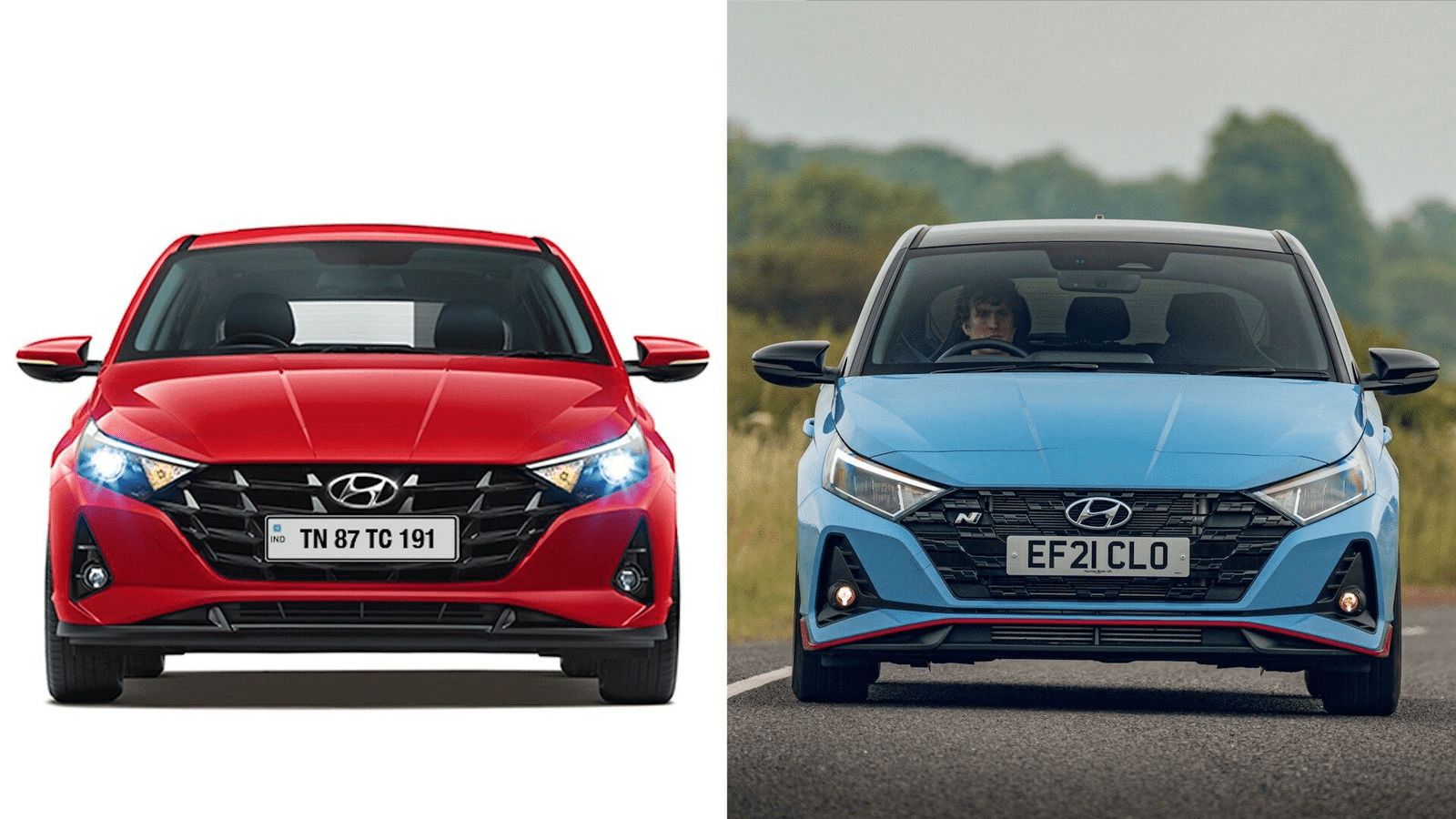
The premium global compact model gains rugged body cladding, high-mounted connected LEDs, a massive tech overhaul, and green-focused bio-ethanol compatibility loops.
The design philosophy guiding one of the car world’s most recognizable premium hatchbacks has experienced a massive shift. Making its global debut in South American production hubs, the fourth generation Hyundai i20 crossover has officially broken cover. The updated architecture completely drops the low-set look of the outgoing car, stepping cleanly into a boxy, upright layout meant to bridge the gap between premium hatchbacks and urban subcompact SUVs.
The shift in design is immediately apparent from the vehicle’s structural layout.
Moving beyond standard aesthetic updates, the fourth-gen car has been re-engineered from the ground up, moving over to a rugged crossover configuration.
Equipped with protective body cladding, a bold front end, and a raised ride height, the upcoming model targets buyers who want a chunkier, road-dominating stance without moving up to a larger footprint.
Also Read | Imran Khan and Bushra Bibi Sentenced to 17 Years in Jail
The Architecture of the Mutation: Styling & External Proportions
Up front, the slim, low-set lighting housings that defined the outgoing generation are replaced by a high-mounted, connected LED strip paired with sharp Y-shaped daytime running lights (DRLs).
The classic logo has been moved up onto the hood, sitting just above a wider hexagonal grille finished in satin silver trim.
Along the side profile, the vehicle’s crossover influences are front and center.
Thick wheel-arch body cladding, more vertical metal stampings, and a sharply rising window line give the vehicle a taller, more planted presence.
At the back, connected LED taillights with clear L-shaped light paths replace the older design, while a beefier rear bumper features an aggressive integrated silver diffuser element.
Slicing Through the Dimensional and Structural Parameters
The fourth-gen platform brings major changes to interior room and structure, though it introduces a few specific challenges for tax-sensitive regions:
| Measured Platform Metrics | Third-Gen Outgoing Layouts | Fourth-Gen Crossover Specs | Dimensional Variation | Immediate Real-World Tactical Impact |
| Total Vehicle Length | 3,995 mm Absolute | 4,130 mm Final Print | +135 mm Expansion | Breaches sub-4m thresholds; won’t qualify for small-car tax cuts if launched as-is in India. |
| Total Vehicle Width | 1,775 mm Absolute | 1,780 mm Final Print | +5 mm Expansion | Delivers increased shoulder room across both seating rows. |
| Wheelbase Length Floor | 2,580 mm Fixed Base | 2,580 mm Fixed Base | 0 mm (Identical Track) | Preserves turning radius while maximizing body overhang storage. |
| Boot Space Volume | 311 Litres Storage | 346 Litres Storage | +35 Litres Gain | Easily swallows extra luggage or bulky cargo items for weekend travel. |
Note: The platform change marks a major structural shift. The vehicle moves to the advanced K3 platform—the exact high-tensile steel architecture that supports the current second-generation Kia Seltos—ensuring improved crash protection and better body rigidity:
Inside the cabin, the premium upgrade continues with an open digital cockpit layout.
The older 10.25-inch center screens make way for a seamless dual 12.3-inch layout that houses both the driver’s instrument gauges and the infotainment system.
The dashboard layout adopts a more vertical structure, cleaning up the center stack with smart capacitive air conditioning controls, built-in dashboard storage shelves, and a new three-spoke steering wheel featuring the brand’s unique four-dot Morse code logo instead of the traditional metal badge.
Also Read | Imran Khan and Bushra Bibi Sentenced to 17 Years in Jail
Mechanical Configurations: Bio-Ethanol Compatibility and Powertrains
The engineering options available under the hood focus heavily on alternative fuel blends, utilizing different strategies depending on regional market priorities:
The new global setup contrasts sharply with the architecture used in existing right-hand-drive models, which rely on a 1.2-litre four-cylinder engine paired with manual or CVT automatic gearboxes.
Additionally, the global compact model adds a comprehensive safety suite, introducing wireless smartphone integration, over-the-air software updates, and Level 2 ADAS systems like lane-keeping assist and autonomous emergency braking to the chassis.
While there is no official word on an immediate launch timeline for the right-hand-drive market, the car’s 4,130 mm length means it faces a tough tax hurdle if introduced without changes. If local teams decide to bring the nameplate over, they will likely modify the bumper assemblies to bring the overall length under the critical four-metre mark, preserving the competitive pricing that compact car buyers count on.
FAQ Section
What is the biggest design change in the fourth generation Hyundai i20 crossover?
The biggest change is its total shift from a sleek, low-slung premium hatchback to a rugged, upright crossover design. Built on the larger K3 platform shared with the Kia Seltos, it features prominent body cladding, a boxier stance, a higher hood line, and connected LED light bars at both ends.
Will the new global fourth-generation i20 model launch in India without changes?
It is unlikely to arrive without structural modifications. At 4,130 mm in length, the global version breaches the country’s critical four-metre limit, meaning it would miss out on small-car tax benefits and face a much higher price tag. To keep it competitive, local design teams would likely shorten the front and rear bumpers to pull the total length under 4,000 mm.
What advanced technology features are included in the updated interior?
The updated cabin receives a major technology upgrade, featuring seamless dual 12.3-inch digital displays with sharper graphics for the gauges and infotainment. It also adds premium features like Level 2 ADAS safety networks, over-the-air firmware updates, wireless Apple CarPlay and Android Auto, and intuitive capacitive climate controls.
Also Read | Imran Khan and Bushra Bibi Sentenced to 17 Years in Jail
End….