

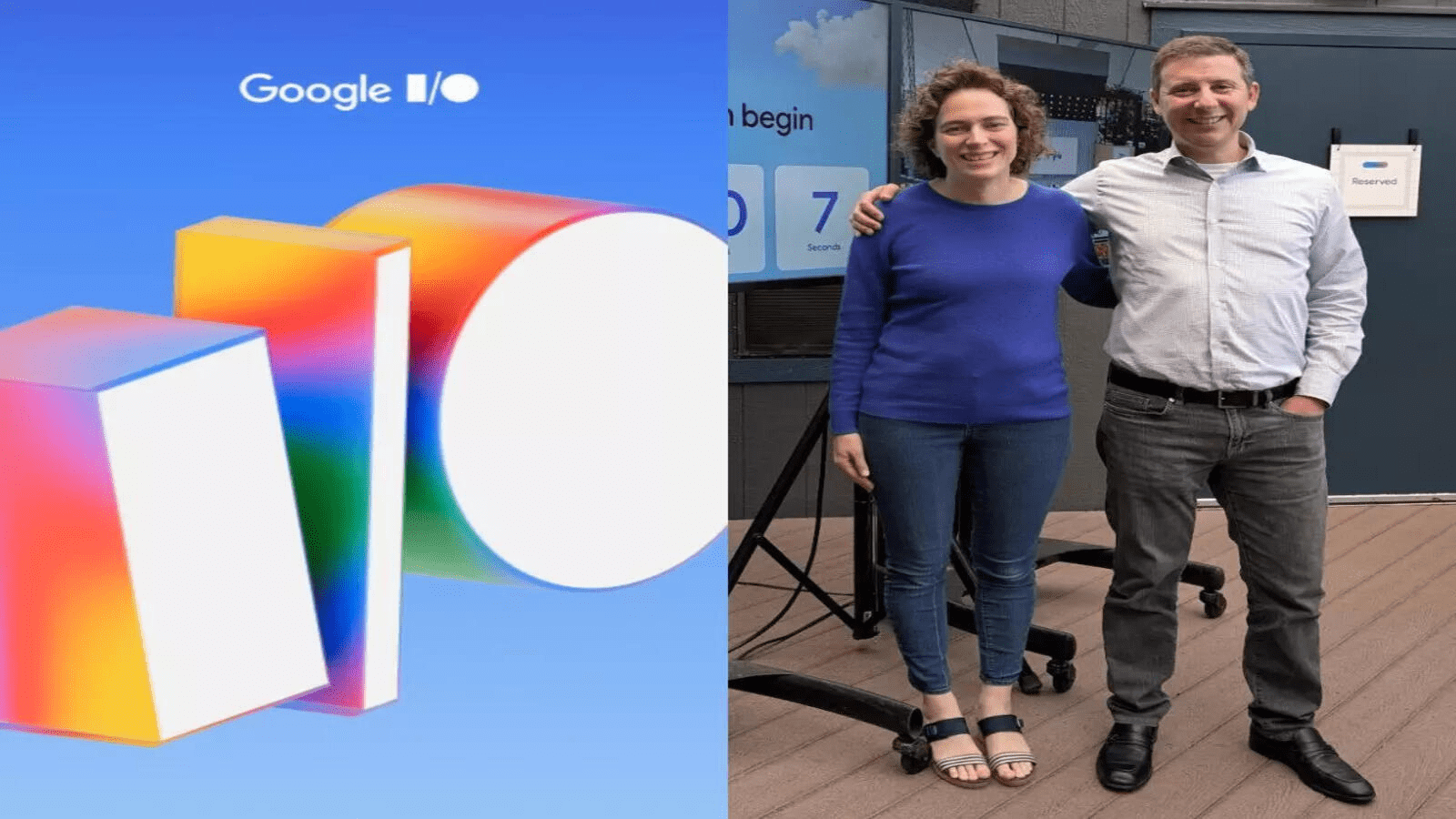
Now the center of gravity for global software engineering is shifting directly to the historic Shoreline Amphitheatre in Mountain View, California. Google is finalized to launch its most ambitious annual developer gathering, Google I/O 2026, on Tuesday, May 19, 2026. Therefore, corporate product groups and consumer technology trackers across the globe are preparing to analyze a massive wave of intelligent automation upgrades. Alphabet CEO Sundar Pichai will take the primary stage to anchor the foundational opening address tonight. Meanwhile, domestic engineering hubs inside India are setting up late-night tracking sessions to catch the live broadcasts. Following extensive internal leaks, the introduction of next-generation model matrices has transformed into an absolute mechanical necessity to sustain the firm’s global technology leadership.
Also Read | Imran Khan and Bushra Bibi Sentenced to 17 Years in Jail
At a Glance: Google I/O 2026 Day 1 Schedule Matrix
| PACIFIC TIME (PT) | INDIA STANDARD TIME (IST) | TRANSIT SESSION TITLE | TARGETED TECHNOLOGY MATRIX |
| 10:00 AM | 10:30 PM (Tonight) | Google Master Keynote | Core AI Models & Sovereign Ecosystems |
| 01:30 PM | 02:00 AM (May 20) | Developer Keynote Block | API Releases & Platform Infrastructure |
| 03:30 PM | 04:00 AM (May 20) | What’s New in Google AI | Agent-First Workflows from Prompt to Prod |
| 04:30 PM | 05:00 AM (May 20) | Next-Gen AI Experiences | Google AI Studio & Google Antigravity |
The India Viewport: Navigating Live Broadcast Schedules and Streams
Now the logistical execution of Google’s premier software event relies entirely on a borderless, high-capacity digital distribution system. The technology giant will stream the entire Day 1 keynote slate for free across its official corporate YouTube channels. Therefore, global developers can bypass traditional entry restrictions to capture the unedited engineering announcements simultaneously.
First, the primary broadcast window initializes precisely at 10:00 AM Pacific Time on Tuesday. Next, this specific geographic time marker translates directly to a late-night 10:30 PM India Standard Time (IST) landing slot for local viewers. Thus, domestic engineering centers are preparing for an intensive night of system tracking as Pichai details the firm’s product goals.
So the official event website features an active developer registration matrix that allows engineering profiles to build customized session schedules. This personalized approach ensures that backend cloud architects can isolate technical API deep-dives from general consumer hardware displays. Meanwhile, central media grids are stabilizing their server lines to provide immediate live blogging logs as announcements drop. Therefore, the streaming infrastructure guarantees seamless global participation from the opening minute.
Gemini 4.0: Assessing the Codenames of Next-Gen Model Architecture
Nowhere does the structural speed of the ongoing consumer technology war manifest more clearly than within core model iteration loops. Following the mid-winter launch of the highly capable Gemini 3.1 Pro framework back in February, technical tracking cells are anticipating a massive core update. Corporate planners must deploy a highly optimized new logic engine to preserve the platform’s high transaction speeds.
First, intense industry rumors suggest that Google might jump straight past minor decimal adjustments to introduce Gemini 4.0 tonight. Next, verified data leaks indicate that internal software engineering teams have been quietly benchmarking a quartet of highly specialized model variants. Thus, deep-tier processing frameworks running under historical codenames like Ajax, Hercules, Hector, and Orpheus are expected to make their public debuts.
[Legacy Infrastructure: Gemini 3.1 Pro] ──► Solid Base Lacks Autonomous Execution Control
                                                   │
                                                   ▼ (The Core I/O 2026 Transition)
[Next-Gen Codenames: Ajax / Hercules]     ──► Upgrades Deep Algorithmic Context Windows
                                                   │
                                                   ▼
[Public Launch Launchpad: Gemini 4.0]     ──► Delivers High-Speed Semantic Search Layers
So these advanced variants are engineered to optimize the computational efficiency of complex multi-modal context windows. This algorithmic refinement significantly minimizes token costs while multiplying processing speeds across enterprise cloud servers. Meanwhile, mobile hardware teams are designing custom localized silicon layouts to run these incoming frameworks directly on edge devices. Therefore, the semiconductor timing aligns perfectly with the upcoming software reveals.
Also Read | Imran Khan and Bushra Bibi Sentenced to 17 Years in Jail
Gemini Spark: Unlocking Agentic Automation Across Personal Inboxes
Now physical connection processing isn’t the sole operational element receiving an upgrade during tonight’s Amphitheatre showcase. High-level documents uncovered by technology analysts reveal that the firm is preparing to transition Gemini from a passive chat interface into an active agentic entity. Operating under the fresh corporate branding of Gemini Spark, this software layer will execute complex tasks autonomously on behalf of the cardholder.
-
The Gemini Spark Autonomous Capabilities:
-
Inbox Optimization: Automatically reading, filtering, and archiving low-priority newsletters and corporate circulars.
-
Semantic Summarization: Drafting concise, highly accurate text briefs from hours of unedited meeting transcript logs.
-
Dynamic Briefings: Constructing highly personalized daily news portfolios that continuously track custom industrial developments.
-
Cross-App Execution: Interfacing directly with internal payment and booking APIs to complete real-world logistics requests.
-
First, this agentic evolution addresses a critical requirement for scaling digital personal assistance platforms in 2026. Next, by allowing the model to perform multi-step execution loops without continuous human prompting, everyday digital management is simplified. Thus, the mechanical necessity of reducing user interface friction is completely achieved.
Gemini Omni: The Interactive Real-Time Video Modification Engine
Now ahead of the formal evening keys, community code repositories have revealed a highly progressive video-generation asset hidden inside beta applications. Discovered via unedited system screens posted to online developer forums, a fresh interface layer named Gemini Omni is drawing immense attention. Therefore, media production pipelines are anticipating a major disruption to traditional video editing workflows.
First, look at the leaked system parameters: the tool allows for real-time video remixing and interactive clip modifications straight inside ongoing chat windows. Next, the software provides a collection of built-in templates that allow users to generate highly stylized cinematic adjustments using plain natural language commands. Thus, the engineering complex is successfully merging advanced generative models with standard video production tools.
So it remains a point of intense discussion whether this creation tool will operate as an independent consumer asset or join the professional Veo video family. Entertainment software engineers are studying how these automated video adjustment streams can cut production overhead costs for digital marketing networks. Meanwhile, product designers are optimizing mobile rendering pipelines to support real-time generation on standard consumer devices. Therefore, the Omni platform establishes a bold benchmark for creative software applications.
Gemini Live Upgrades: Exploring the Real-Time ‘Capybara’ Memory Core
Now looking at the conversational audio layer reveals an identical drive to establish top-tier technical excellence across voice interactive models. Analytical reviews of modern application code bases have uncovered a hidden model selection array buried deep inside the mobile application framework. Therefore, the real-time voice subsystem is moving toward a massive boost in contextual intelligence.
The Voice Model Specialization Matrix:
-
The Capybara Pipeline: A highly capable backend engine engineered to replace standard lightweight voice modules.
-
The Context Upgrade: Leverages the advanced analytical strengths of Gemini 3.1 Pro instead of Flash variations.
-
The Environmental Asset: Specialized variants gain immediate access to localized real-time weather and geographical coordinates.
-
The Extended Memory Core: Built-in loops allow the model to retain deep historical memory across multiple separate chat sessions.
First, this voice architecture upgrade ensures that spoken interactions feel completely natural and contextually aware over extended periods. Next, the integration of real-time spatial indicators allows the voice assistant to provide highly localized, accurate suggestions during active travel. Thus, the mechanical necessity of maintaining conversational continuity is fully satisfied by the updated software core.
Also Read | Imran Khan and Bushra Bibi Sentenced to 17 Years in Jail
Aluminium OS: Android’s Evolution to Desktop Screen Form Factors
Now the ultimate definitive transformation expected to rewrite the consumer operating system ecosystem extends far beyond pure cloud-hosted artificial intelligence models. Following early teasers during the recent Android Show, the firm is prepared to showcase its long-rumored desktop expansion layer. Officially tracking under the branding of Aluminium OS, this system extends the core Android substrate to larger display panels.
-
Aluminium OS User Interface Features:
-
Workspace Fluidity: Built-in virtual desktops allowing users to slide between separate task layers instantly.
-
App Organization: A dynamic bottom-docking array paired with an optimized, clean application drawer layout.
-
System Settings: A completely redesigned Quick Settings panel engineered to match landscape monitors.
-
Notification Hubs: A grouped notification engine designed to minimize visual distraction during professional work sessions.
-
First, this major layout migration addresses the long-standing divide separating mobile phone application stores from traditional personal computer environments. Next, a detailed, 16-minute video leak confirmed that the system supports complex window tiling and advanced mouse cursor tracking capabilities. Thus, building this desktop-centric layer allows the company to challenge legacy office platforms on their own ground.
The Day 1 Deep Dives: Analyzing Google Antigravity Session Labels
Now as the primary executive keynote transitions into technical afternoon sub-tracks, the focus shifts to direct developer enablement tools. The official Day 1 timetable includes highly anticipated technical workshops, including an mysterious session labeled Agent-First Workflows from Prompt to Production. Therefore, software development teams are analyzing these specialized listings to plan their next integration cycles.
First, look at the evening schedule: engineers will get an exclusive first look at an unannounced system called Google Antigravity. Next, concurrent sessions will detail advanced methods for unlocking modern web capabilities inside automated AI coding environments. Thus, the council is providing the global engineering workforce with the exact code sets needed to scale next-generation applications.
So these specialized deep-dives guarantee that the macro announcements from the main stage are instantly translated into actionable development practices. Prominent partner networks are updating their internal frameworks to match the incoming Firebase and Google Play APIs. Meanwhile, cloud architects are tracking how these new systems will impact their computing budgets through the next operational period. Therefore, the complete Day 1 session grid ensures that India’s tech ecosystem remains perfectly aligned with global implementation standards.
FAQ: Quick Summary of the 2026 Google Software Summit Parameters
1. At what exact date and time will Google I/O 2026 begin for viewers in India? Now, the master keynote kicks off tonight, Tuesday, May 19, 2026, at 10:30 PM IST (which matches 10:00 AM Pacific Time).
2. Where can tech enthusiasts watch the Sundar Pichai keynote live? First, the entire event will be broadcast for free via Google’s official YouTube channel, with direct viewing portals available across major tech journals.
3. What major large language model update is anticipated at tonight’s event? So, industry tracking indicators point to the public introduction of Gemini 4.0, built to replace the legacy Gemini 3.1 Pro architecture.
4. What is “Gemini Spark” and how does it change user workflows? Next, it represents an advanced agentic AI framework designed to execute multi-step tasks autonomously, such as cleaning up email inboxes and building custom news briefs.
5. What is the core purpose of the newly leaked Aluminium OS? Now, Aluminium OS is a next-generation, desktop-focused operating system designed to extend the Android ecosystem cleanly to larger-screen computer displays.
6. What mysterious developer system is highlighted in the late-afternoon schedule? Finally, the official technical timetable includes a high-profile reveal session for an unannounced development platform named Google Antigravity.
Also Read | Imran Khan and Bushra Bibi Sentenced to 17 Years in Jail
End…

