

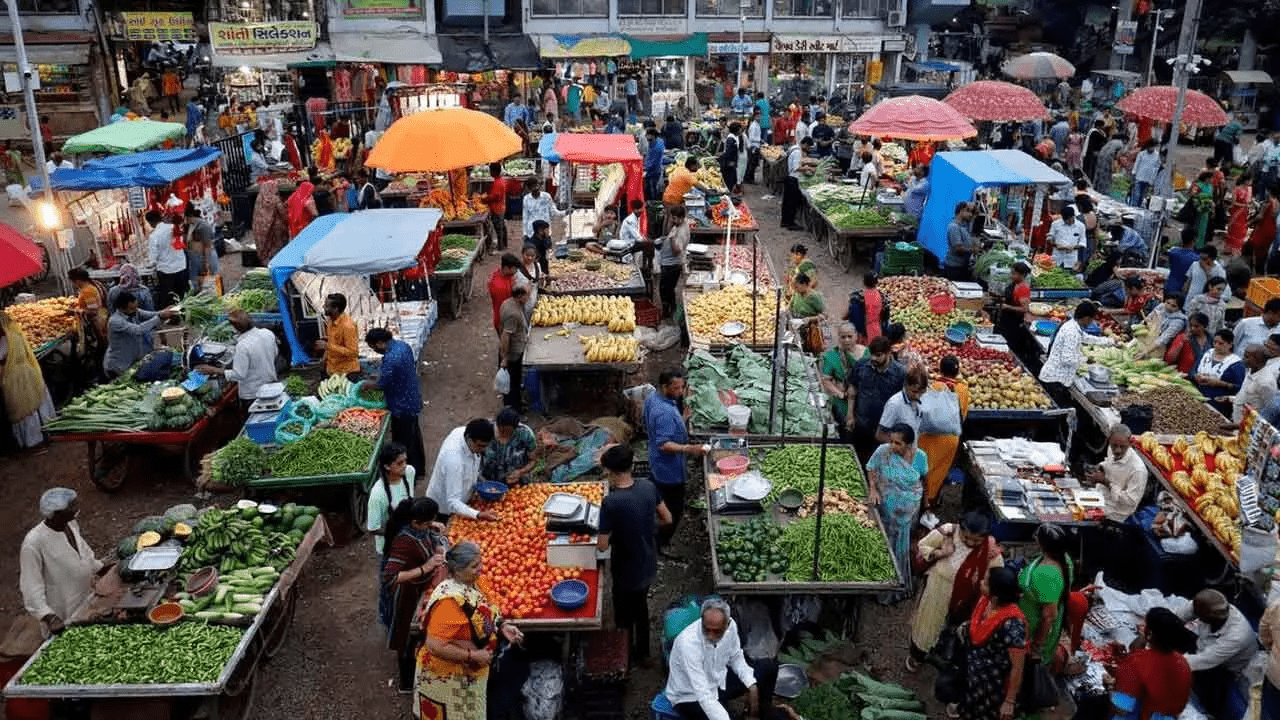
Now the pressure on India’s wholesale markets is reaching a boiling point. The country’s Wholesale Price Index (WPI) based inflation rate surged to 8.3 per cent in April 2026, marking a significant jump from the 3.88 per cent recorded in March. Therefore, the primary catalyst for this spike is the sharp increase in global fuel and crude oil prices triggered by the ongoing Middle East conflict. Meanwhile, despite the volatility in the wholesale sector, the Consumer Price Index (CPI) or retail inflation remained steady at 3.48 per cent. Following a statement from the Ministry of Commerce and Industry on Thursday, it is clear that while manufacturers and producers are facing massive cost increases, the government is currently shielding retail consumers from the full force of the energy crisis.
Also Read | Imran Khan and Bushra Bibi Sentenced to 17 Years in Jail
The WPI Spike: Why Wholesale Inflation Hit 8.3 Percent
Now the dramatic rise in WPI inflation from 3.88% in March to 8.3% in April represents a major shift in the domestic price landscape. Therefore, the wholesale market is feeling the immediate and unbuffered impact of global supply chain disruptions.
First, the primary driver is the “mechanical necessity” of rising input costs for producers. Next, the price of crude oil and power has trickled down into every stage of the manufacturing process. Thus, the index has reached its highest point in recent months, reflecting the intensity of the Middle East crisis.
So while March showed signs of stability, April has completely reversed that trend. Meanwhile, the Ministry of Commerce and Industry has highlighted that the year-on-year comparison shows a stark increase in pressure on the wholesale sector. Therefore, 8.3% serves as a critical warning for the broader economy.
Energy Crisis: Crude Oil and Natural Gas Surge Analysis
Now the fuel and power group is the epicentre of the current inflationary surge. Sequentially, WPI inflation in this category went up by 18.22 per cent in April compared to March. Therefore, energy costs have become the single most disruptive factor for Indian industry this quarter.
Energy Price Trends (April 2026):
-
Crude Oil & Natural Gas: Surged by 29.37% month-on-month.
-
Drivers: Ongoing naval disputes and conflict in the Strait of Hormuz.
-
Mitigating Factors: A slight decline of 2.53% in electricity prices helped offset some costs.
First, the 29% jump in crude is a direct result of the West Asia blockade. Next, as the world’s third-largest oil consumer, India’s wholesale markets are hypersensitive to these international shocks. Thus, the manufacturing and transport sectors are currently operating under extreme cost pressure.
Retail Resilience: How CPI Remained Steady at 3.48 Percent
Now in a sharp contrast to the wholesale sector, India’s retail inflation rate remained subdued. Recorded at 3.48 per cent in April, the CPI series shows that the “common man” is not yet feeling the full weight of the global oil spike. Therefore, there is a significant decoupling occurring between producer prices and consumer prices.
First, the sequential change from March (3.4%) to April (3.48%) is minimal. Next, the CPI inflation rate for electricity, gas, and other fuels stayed at a low 1.71 per cent. Thus, retail markets are currently benefiting from a lag in price transmission and strong government subsidies.
So while the WPI signals a brewing storm, the CPI reflects a controlled environment. Meanwhile, the Ministry of Statistics has indicated that domestic demand remains steady despite the external instability. Therefore, the 3.48% figure provides a vital cushion for household budgets.
Also Read | Imran Khan and Bushra Bibi Sentenced to 17 Years in Jail
Bullion Boom: The Massive Rise in Gold and Silver Prices
Now some of the most eye-watering figures in the April report come from the precious metals sector. Driven by global uncertainty and the duty hikes recently announced, silver and gold have seen unprecedented inflation. Therefore, these assets are currently the primary drivers of non-food inflation.
Bullion Inflation Breakdown:
-
Silver Jewellery: Recorded a staggering 144.34% jump in prices.
-
Gold Jewellery: Clocked a 40.72% increase during the month.
First, silver has become a volatile asset as investors seek safe havens from the Iran war. Next, the rise in gold prices aligns with the national appeal to reduce gold consumption to save foreign exchange. Thus, the bullion market is effectively reflecting the “risk premium” of the 2026 geopolitical climate.
Mixed Food Basket: Tomato Surges vs. Potato Plummet
Now the food sector presents a highly divergent picture for the month of April. While overall WPI food inflation remained constant at 1.85 per cent, individual commodities showed wild fluctuations. Therefore, the “thali” cost is being determined by which vegetables are currently in season and available.
Vegetable Price Shifts (April 2026):
-
Tomato: Prices shot up by 35.28% due to supply chain issues.
-
Potato: Prices plummeted by 23.69%, offering relief to consumers.
-
Onion: Turned cheaper by 17.67% during the month.
-
Pulses: Prices for chickpea and peas also saw a decline.
First, the surge in tomato prices is a point of concern for wholesale food indices. Next, the decline in staples like potatoes and onions has helped keep the overall food inflation at a manageable 4.2% at the retail level. Thus, the food basket remains the most volatile yet “cushioned” part of the index.
Manufacturing Sector: Price Increases Across 21 Product Groups
Now the manufacturing sector, which carries a massive 64.23 per cent weight in the WPI, is feeling the heat. WPI inflation in manufactured products increased by 1.4 per cent in April. Therefore, the vast majority of Indian industries are now passing on higher costs to their bulk buyers.
First, out of the 22 product groups in this category, 21 recorded an increase in price. Next, only one product group posted a decline, showing just how widespread the inflationary pressure has become. Thus, the manufacturing base is no longer able to absorb the rising cost of raw materials and energy.
So this broad-based increase suggests that downstream products—from chemicals to machinery—will soon become more expensive. Meanwhile, the 1.4% sequential rise is a significant acceleration from previous months. Therefore, the manufacturing sector is the primary “transmission belt” for global inflation into the Indian economy.
Also Read | Imran Khan and Bushra Bibi Sentenced to 17 Years in Jail
Government Intervention: Shielding Consumers from Energy Hikes
Now the primary reason for the gap between 8.3% WPI and 3.48% CPI is deliberate government intervention. Despite soaring oil prices in global markets, the government has not passed on the full hike to retail consumers. Therefore, the “austerity push” is being managed at the administrative level.
First, PSU oil companies are currently absorbing massive daily losses to keep petrol and diesel prices stable for the public. Next, the subdued 1.71% retail fuel inflation confirms that the government is prioritizing the “middle-class wallet” over fiscal margins. Thus, the “Seven Appeals” toward fuel saving are a soft measure intended to prevent the need for harder price hikes.
So the fiscal policy is acting as a shock absorber for the 2026 energy crisis. Meanwhile, the mechanical necessity of this shielding is reflected in the rising losses of the oil marketing companies. Therefore, the current retail stability is a “bought” time for the economy to adjust to the new West Asia reality.
FAQ: Frequently Asked Questions on India’s April 2026 Inflation
1. Why is WPI inflation much higher than CPI inflation right now? Now, WPI (8.3%) reflects the raw costs faced by producers, which are hit directly by global oil spikes. CPI (3.48%) is lower because the government is subsidising fuel and absorbing losses at the retail level.
2. What caused the 29% surge in crude oil and gas prices? First, the primary cause is the Middle East conflict and the blockade of the Strait of Hormuz, which has disrupted 20% of the world’s oil supply.
3. Which food items saw the highest price increase in April? So, tomato prices were the biggest outlier in the food category, shooting up by 35.28% during the month.
4. Why did silver jewellery prices jump by 144%? Next, silver is being used as a safe-haven asset amid the global crisis, and the recent increase in import duties has further inflated domestic prices.
5. Is manufacturing inflation rising? Now, yes. 21 out of 22 manufacturing product groups recorded a price increase in April, leading to a 1.4% sequential rise in the sector’s WPI.
6. What was the WPI inflation rate in March 2026? Finally, the WPI inflation for March was significantly lower at 3.88 per cent before the full impact of the oil crisis was felt.
Also Read | Imran Khan and Bushra Bibi Sentenced to 17 Years in Jail
End..

