

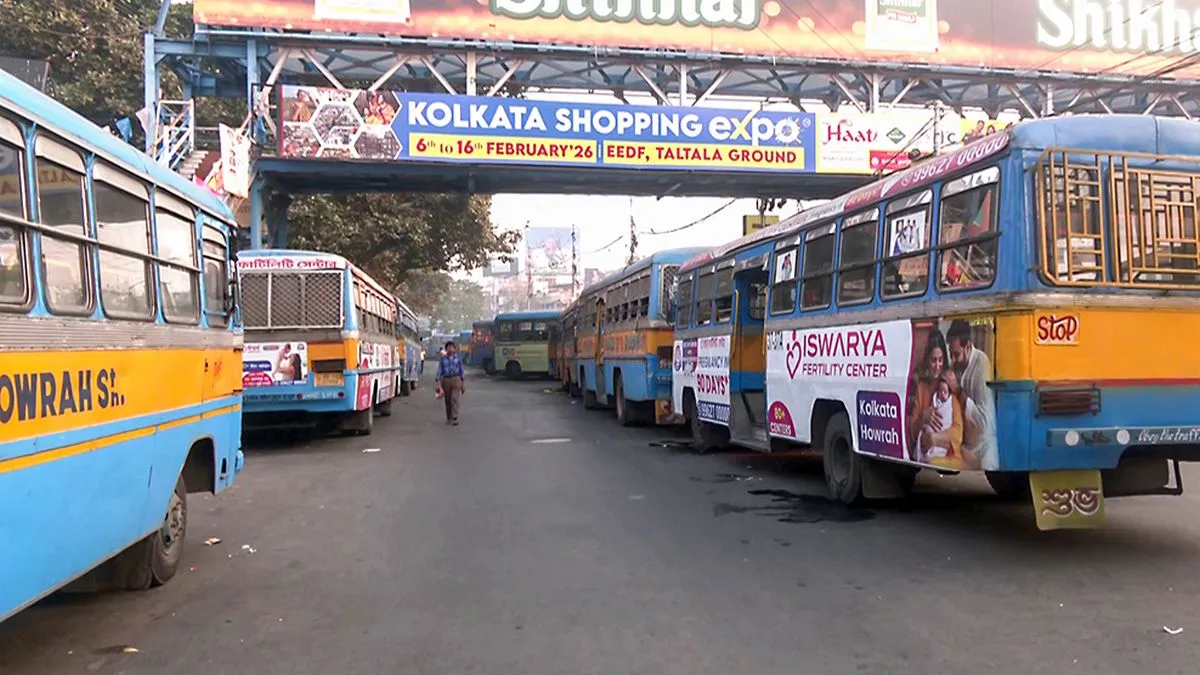
West Bengal Notifies Free Bus Travel For Women Across State-run Fleets From June 1
State Transport Department launches high-access empowerment scheme; zero-value tickets and biometric smart cards to anchor transit rollout.
🚨 Public Transit Policy Key Directives
- The Mandate: Effective June 1, 2026, all women commuters can travel free of charge across all West Bengal state government-run bus services.
- Route Coverage: The fare exemption covers both localized short-route municipal fleets and long-distance inter-district state networks.
- The Smart Card: Long-term access requires a QR-coded smart card featuring beneficiary photographs and verification details via BDO/SDO offices.
- Interim Window: Until smart cards are distributed, passengers can claim immediate zero-value tickets by presenting any valid government photo identity document.
The West Bengal government has officially notified the implementation of a comprehensive fare-exemption scheme providing entirely free bus travel for women commuters across all state government-run transit networks. Set to commence on June 1, 2026, the sweeping policy directive is structurally engineered to advance socio-economic mobility, reduce daily commuting costs, and drastically improve safe access to public transport corridors for women statewide.
Also Read | OPENAI BRINGS CODEX AGENT TO CHATGPT MOBILE APPS FOR 4M WEEKLY USERS
According to the gazette notification issued by the State Transport Department, the zero-fare framework applies universally across the state’s transport corporations. Commuters will be eligible for free passage not only on short-route intracity loops but also on long-route cross-district express operations, representing a major logistical commitment to public subsidized transit infrastructure.
The Application Framework and Verification Protocols
To establish accountability and long-term administrative structure, the Transport Department is deploying a dedicated smart card interface. These transit passes will feature embedded QR codes, high-resolution beneficiary photographs, and localized security profiles. Eligible residents can formally apply for the cards by submitting credentials through their respective Block Development Officer (BDO) or Sub-Divisional Officer (SDO) administrative desks.
Also Read | OPENAI BRINGS CODEX AGENT TO CHATGPT MOBILE APPS FOR 4M WEEKLY USERS
The state has established a flexible verification matrix to maximize registration access. A smart card will be issued based on standard institutional or national supporting documents. Look, requiring a unified smart card isn’t just about fare collection—it gives the state high-fidelity data on peak transit routes, helping planners optimize fleet deployment based on real-world commuting patterns.
Acceptable verification documents include:
- Elector’s Photo Identity Card (EPIC) & Passport
- VB-G RAMG Job Card & National Health Insurance Layouts
- Permanent Account Number (PAN) Card & Valid Driving Licenses
- Official Pension Documentation containing a clear beneficiary photograph
- Authorized identity cards issued by recognized schools, colleges, universities, or PSUs
- Standard government-issued resident identification documents
💬 State Transport Directorate Guidelines
Comparative Landscape of Gender-Subsidized Transit
With this rollout, West Bengal joins an expanding list of major metropolitan hubs and state administrations utilizing targeted public transport subsidies to reshape demographic workforce participation. Financial models from similar regional rollouts demonstrate that eliminating transit fare friction directly correlates with an increase in women seeking employment outside their immediate local sectors.
| State / Union Territory | Operational Model Name | Primary Ticketing Infrastructure | Scale of Subsidized Base |
|---|---|---|---|
| National Capital Territory of Delhi | Pink Saheli Plan | Single-use Pink Tickets / Smart Cards | Over 8 lakh active smart card accounts issued to date. |
| State of Kerala (KSRTC) | Gender Ticketing Initiative | Conductor-verified targeted logging | Focused on state-run short and medium networks. |
| State of West Bengal | 2026 Transit Empowerment Scheme | QR-Coded Smart Cards / Zero-Value Tickets | Applies universally across all state-run long & short routes. |
While the economic benefits are clear, transit authorities will face immediate capacity pressures. Fleet utilization rates are projected to climb by an estimated 20 to 30 percent along major arterial routes during peak morning and evening shifts. To prevent severe overcrowding, independent transport analysts suggest that the state must proactively expand its operational inventory and expedite the deployment of backup electric buses before the monsoon transit crunch hits.

