

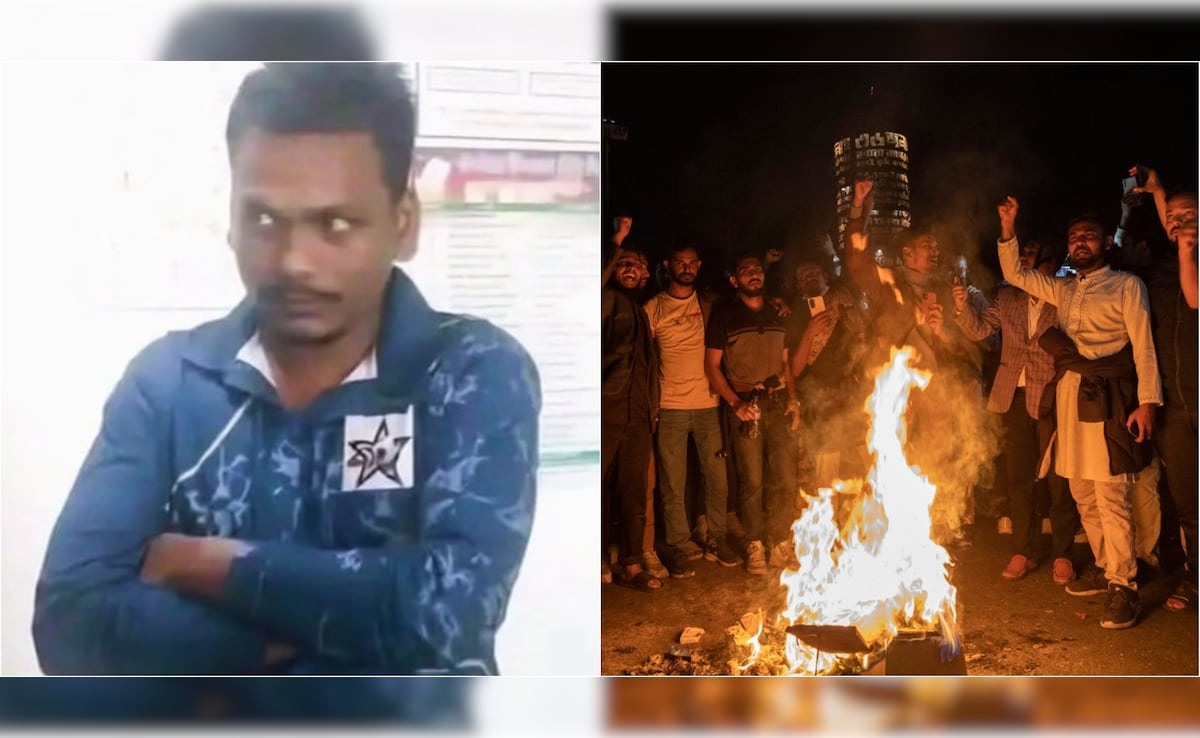
Bangladesh rejects India’s response to Delhi High Commission protests, threatening to reduce diplomatic presence. Tensions rise after the killing of Hindu man Dipu Chandra Das.
The diplomatic rift between Delhi and Dhaka is widening, and fast.1 On Sunday, Bangladesh’s interim government fundamentally rejected India’s dismissal of a protest held outside the Bangladesh High Commission in New Delhi.2 Not only did they reject the “misleading propaganda” tag India used, but they upped the ante: Dhaka is now threatening to scale back its diplomatic presence in India if the situation doesn’t stabilize.3
The thing is, this isn’t just about a few people with placards. It’s about a “secure diplomatic enclave” where 25–30 people—described by Dhaka as “Hindu extremists”—managed to get close enough to cause what Bangladesh calls “panic.”4 India says it was a brief, peaceful gathering of 20 youths.5 Dhaka says that’s an “oversimplification.”6
Also Read | Imran Khan and Bushra Bibi Sentenced to 17 Years in Jail
The Catalyst: A Brutal Lynching
The spark for the Delhi protest was the horrendous killing of Dipu Chandra Das, a 27-year-old Hindu garment worker in Mymensingh, Bangladesh.7
-
The Incident: On December 18, Das was accused of blasphemy.8 He was beaten to death, his body was hung from a tree, and then set on fire.9
-
The Arrests: Chief Adviser Muhammad Yunus confirmed that 12 people have now been arrested (7 by the RAB, 5 by police).10
-
The Context: This happened during a wider wave of unrest following the death of Sharif Osman Hadi, a prominent youth leader who died in Singapore after being shot in Dhaka.11
Also Read | Imran Khan and Bushra Bibi Sentenced to 17 Years in Jail
The Diplomatic Tug-of-War
| India’s Position (MEA) | Bangladesh’s Position (Foreign Adviser) |
| Termed reports “misleading propaganda.” | Entirely rejected India’s press note. |
| Claims only 20-25 youths gathered briefly. | Questions how “extremists” entered a high-security zone. |
| No attempt to breach the fence or threat posed. | Claims the protest caused panic and involved “other statements.” |
| Committed to the Vienna Convention. | Threatened to “scale back” diplomatic ops if safety isn’t guaranteed. |
And here’s the kicker: Bangladesh’s Foreign Affairs Adviser, M Touhid Hossain, hinted that the protesters might have been “allowed access” to the sensitive zone.12 That’s a heavy accusation. India, meanwhile, is pointing at the “visual evidence” that’s already public, basically saying “look for yourself.”13
It’s an ongoing cycle of summon-and-reject. Just last week, India summoned the Bangladeshi envoy over threats to its missions in Dhaka and Chattogram.14 Now the shoe is on the other foot. Let’s be real, the trust between the two capitals is currently at a historic low. Or nothing.
Also Read | Imran Khan and Bushra Bibi Sentenced to 17 Years in Jail
End…


