

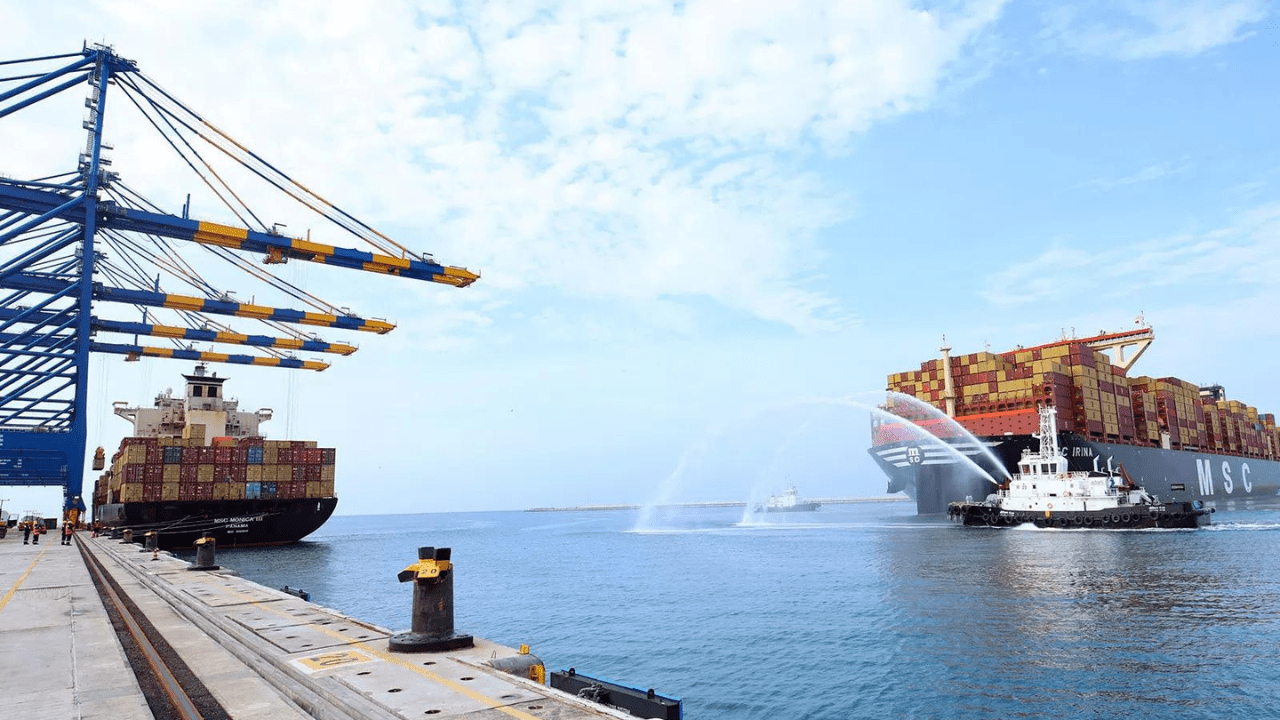
The energy map of 2026 is being redrawn by the hour. Following the US-Israeli strikes on Iran (Operation Epic Fury) and the subsequent blockade of the Strait of Hormuz, the global economy has been suffocating under triple-digit oil prices. Today, Saturday, March 21, 2026, the US has deployed its most unusual economic weapon yet: “Unsanctioning” the enemy’s oil to crash the enemy’s profit margins.
Also Read | Imran Khan and Bushra Bibi Sentenced to 17 Years in Jail
The 30-Day “Epic Fury” Waiver
The US Treasury’s new license is highly specific. It only applies to Iranian oil and petroleum products that were already loaded on vessels on or before March 20.
-
The Objective: Release approximately 140 million barrels of Iranian crude currently held in “floating storage” (tankers idling at sea).
-
The Strategy: By allowing allies like India and Japan to buy this oil, the US hopes to flood the market, driving prices down from their $115–$120 peak.
India’s Multi-Fuel Strategy: Russia + Iran
India, which imports 90% of its oil, is moving with “tactical flexibility.”
-
The Russian Precedent: Just last week, after a similar US waiver, Indian refiners snapped up Russian oil that was originally headed for China but got “stranded” due to the conflict.
-
The Iranian Advantage: Unlike some heavy grades, Iranian Light and Heavy crudes are a perfect “chemical fit” for Indian refineries. Analysts at Kpler note that Indian firms can resume processing these with “minimal operational adjustments.”
The “Spanner”: Iran’s Denial of Supply
The plan hit an immediate wall when Tehran’s Oil Ministry spokesperson, Saman Ghoddoosi, claimed the US was hallucinating the surplus. “Iran has virtually no surplus oil either at sea or ready for international supply,” the ministry stated. This creates a high-stakes “he-said, she-said” in the energy markets:
-
The US View: The oil is there, mostly held in Iran’s “shadow fleet” near China.
-
The Iran View: The oil is already committed or doesn’t exist, and the US is just trying to manipulate “market sentiment.”
Also Read | Imran Khan and Bushra Bibi Sentenced to 17 Years in Jail
Logistics: Shadow Fleets & Payment Hurdles
Even with a waiver, buying this oil is a logistical nightmare. Much of the stranded Iranian crude is on ageing “shadow fleet” tankers that lack standard P&I (Protection and Indemnity) insurance. Furthermore, the US has not yet clarified the payment mechanism. If the SWIFT system remains closed to Iranian banks, India may have to revert to a “Rupee-Rial” barter system or use third-party intermediaries in the UAE.
Reality Check
The US waiver is a 30-day stopgap, not a long-term policy shift. It is designed to act as a “physical intervention” in the market. However, with the Strait of Hormuz effectively closed by naval mines and drone attacks, even “unsanctioned” oil has to find a way out of the Persian Gulf. Most of the oil covered by this waiver is already outside the Strait, making it the only accessible “new” supply in the world right now.
The Loopholes
The US claims this is to “stabilize global markets.” In fact, this is a “Revenue Loophole”—by allowing India to buy the oil, the US ensures the money is tracked or held in escrow, preventing Tehran from using the “black market” cash for its war effort. Still, the “Iran Loophole” remains; by denying the surplus exists, Tehran can keep prices artificially high, even if the ships are sitting right there on satellite imagery.
Also Read | Imran Khan and Bushra Bibi Sentenced to 17 Years in Jail
What This Means for You
If you are tracking fuel prices in India, expect a “Volatile Stabilization.” First, realize that the ₹2-3 per liter hike seen yesterday might pause if the first 10 million barrels of Iranian oil reach Indian ports by early April.
Then, if you are an investor, understand that energy stocks will remain “War-Linked.” The news of the waiver caused a temporary dip, but Iran’s denial pushed prices back up. Finally, understand that the April 19 deadline is a hard cutoff; if the oil isn’t discharged by then, it becomes “radioactive” (sanctioned) again.
What’s Next
Expect the Ministry of External Affairs (MEA) to issue a formal guidance note to state-run refiners by Monday, March 23. Then, look for satellite verification from firms like Kpler or Vortexa to see if the “shadow fleet” actually begins moving toward Indian terminals. Finally, expect a potential extension of the Russian waiver if the Iranian “hardball” continues to keep the market undersupplied.
Also Read | Imran Khan and Bushra Bibi Sentenced to 17 Years in Jail
End…


