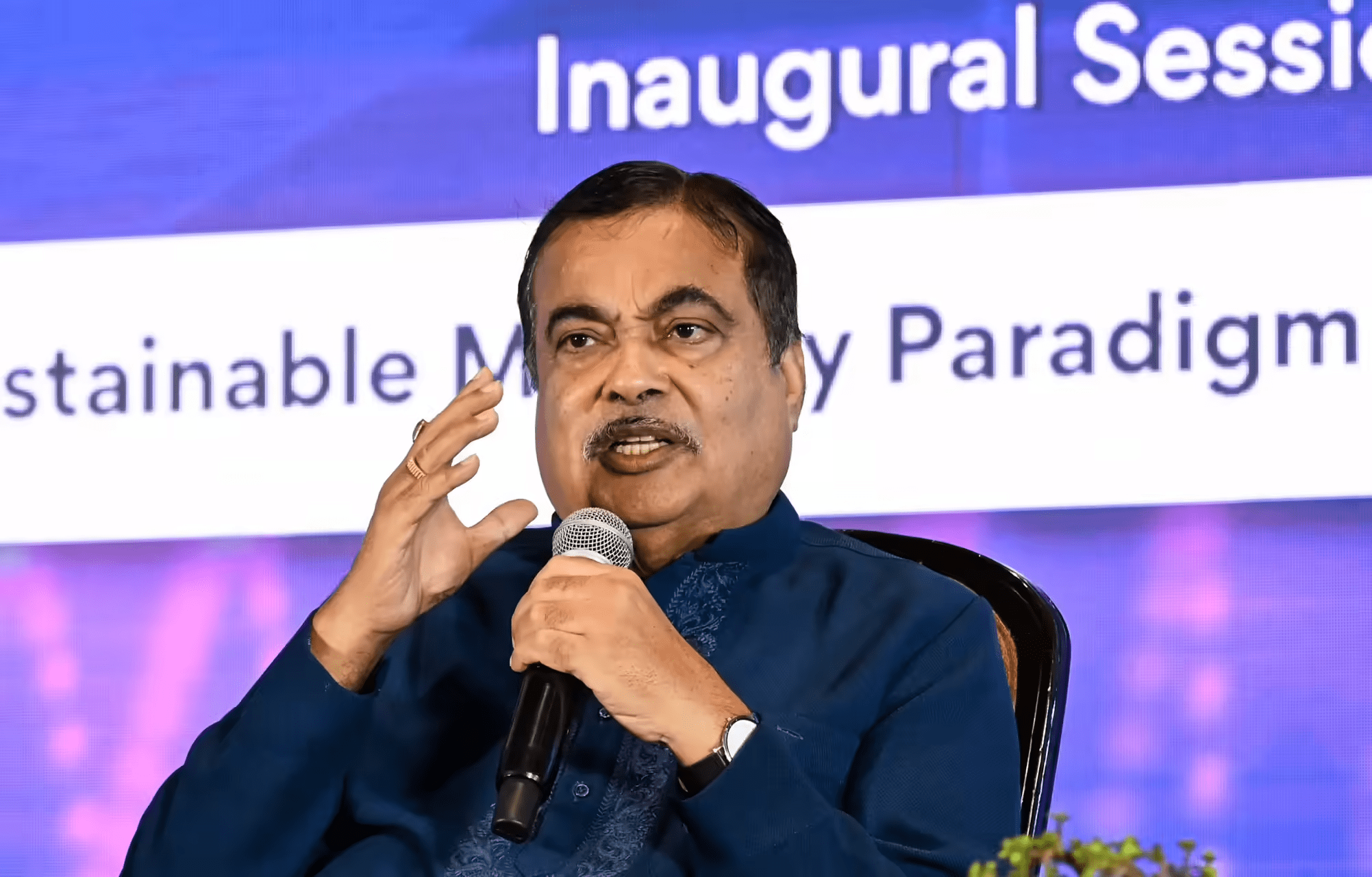
Green Mobility: Nitin Gadkari Approves E100 Fuel Regulations for Vehicles in India
In a major legislative push for sustainable transport, Union Road Transport and Highways Minister Nitin Gadkari announced that he has officially signed and approved the regulations permitting the use of E100 (100% ethanol) fuel for vehicles in India. Speaking at the Sugar, Ethanol & Bio-Energy India Conference in Nagpur, Gadkari confirmed that the legal framework is now active, opening the doors for automakers to manufacture and launch mass-market flex-fuel vehicles (FFVs).
Most Popular : –
- Pacific Warming Shift: The Meteorological Core of the IMD El Nino Alert Monsoon 2026
- The Capital Realignment: Inside the TMC MP Sudip Bandyopadhyay Rebel Faction Pivot
- Cavalry Return: The Historical Context of the Next Chief of the Army Staff Lt Gen Dhiraj Seth
- High-Altitude Kinetic Kills: The Tech Behind the Ballistic Missile Defence System India Shield
- Pre-Dawn Crackdown: High-Stakes Triggers Behind the Abhishek Banerjee Kalighat Residence Search
- Delhi Weather Alert: IMD Issues Red Alert, Predicts 80 Kmph Winds and Rain
- What is NCPI? The Obscure Political Party Chosen by 20 Rebel Trinamool MPs
- Pacific Warming Shift: The Meteorological Core of the IMD El Nino Alert Monsoon 2026
The move comes on the heels of the recent E85 fuel rollout in Delhi and signals the government’s aggressive intent to shift beyond the current E20 blending mandate toward complete biofuel reliance.
The Technology: What is E100 Fuel?
Despite its name, commercial E100 is not completely absolute, pure ethanol. Due to the chemical properties of alcohol, specialized blending is required to make it commercially viable for everyday vehicles.
-
The Blend Composition: E100 typically contains 93% to 95% pure ethanol, with the remaining 5% to 7% consisting of conventional petrol and specialized denaturants/additives.
-
The Cold-Start Factor: The small fraction of added petrol is critical—it provides the necessary volatility to assist the engine during cold starts and protects fuel-handling components from corrosion.
Compatibility Warning: Existing E20-compliant cars and motorcycles cannot run on E100. High-concentration ethanol requires major mechanical overhauls, including anti-corrosive fuel lines, reinforced fuel tanks, and entirely unique engine ECU calibrations to handle different combustion traits.
Automotive Impact: Automakers Readying Launches
The establishment of this legal architecture paves the way for a wave of new vehicle launches. Major manufacturers have already prototyped systems and are expected to roll out production-ready E100-compatible models within the next 4 to 6 weeks.
-
Four-Wheeler Segment: Toyota, Suzuki, Hyundai, and MG are all slated to introduce dedicated E100 flex-fuel passenger cars during this initial phase.
-
Early Prototypes: The regulatory clearance follows successful proof-of-concept showcases, including Maruti Suzuki’s flex-fuel WagonR prototype and Hero MotoCorp’s ethanol-powered motorcycles.
Structural and Economic Challenges Ahead
While the approval removes the primary legal barrier, transitioning to an E100 ecosystem faces several macroeconomic and technical hurdles:
1. Mass Infrastructure Requirements
Oil marketing companies (OMCs) face a massive infrastructure bottleneck. E100 cannot share lines with petrol; it requires dedicated storage tanks, separate underground distribution pipelines, and completely new fuel dispensing units at retail outlets nationwide.
2. The Energy Density Trade-Off
Ethanol inherently holds less chemical energy per liter than standard petrol. Because of this lower energy density, vehicles running on E100 will experience higher fuel consumption rates, resulting in a lower mileage output (km/l) for the same distance traveled.
3. Supply Chain Dependencies
The ultimate success of the E100 mandate rests on three pillars: steady domestic biofuel production from agricultural surplus, rapid vehicle availability across varied price brackets, and competitive fuel pricing at the pump to ensure consumer acceptance.
Most Popular : –
- Pacific Warming Shift: The Meteorological Core of the IMD El Nino Alert Monsoon 2026
- The Capital Realignment: Inside the TMC MP Sudip Bandyopadhyay Rebel Faction Pivot
- Cavalry Return: The Historical Context of the Next Chief of the Army Staff Lt Gen Dhiraj Seth
- High-Altitude Kinetic Kills: The Tech Behind the Ballistic Missile Defence System India Shield
- Pre-Dawn Crackdown: High-Stakes Triggers Behind the Abhishek Banerjee Kalighat Residence Search
- Delhi Weather Alert: IMD Issues Red Alert, Predicts 80 Kmph Winds and Rain
- What is NCPI? The Obscure Political Party Chosen by 20 Rebel Trinamool MPs
- Pacific Warming Shift: The Meteorological Core of the IMD El Nino Alert Monsoon 2026